
Animals in Machu Picchu, Peru and Inca Trail Animals to Try and Spot
Love nature and wildlife? you will be amazed by the variety of animals in Machu Picchu, Peru.
Whether you hike the Inca Trail or take a train to the site, you will have the opportunity to see some of the most incredible Machu Picchu wildlife along the way.
I did the 4 day hike to Machu Picchu which takes you through a diverse range of ecosystems. In this article, I will introduce you to some of the most common and interesting Inca Trail animals to keep a lookout for.
The ruins are a sight to behold but add into the mix the resident Machu Picchu animals that call this archaeological site home, and you’ve got a match made in heaven. If like me, you’re obsessed with wildlife and ruins, you’re going to love this article. Let’s go!

Meet Me In Departures contains affiliate links and is a member of the Amazon Services LLC Associates Program. If you make a purchase using one of these links, we may receive compensation at no extra cost to you. See our Disclosure Policy for more information.
Animals in Machu Picchu – How Many Will You See?
Although there are thousands of wild animals in Peru the Machu Picchu reserve encompasses a wide range of ecosystems, and each area is home to specific creatures.
You can find a diverse array of wildlife. So far, there is a logged account of native wildlife including:
- 53 species of mammal
- 22 species of reptile
- 12 species of amphibian
- And a staggering 423 species of birds
Additionally, the region boasts innumerable types of insects. Many of these animals at Machu Picchu are endemic to the area, making the Machu Picchu flora and fauna truly remarkable.
When doing the Inca trail or even visiting the ancient monument, you are certain to encounter a variety of Andean animals listed among the rich biodiversity.
Read Also: Comprehensive Guide To Hiking the Inca Trail
Animals and the Incas
In Inca culture, animals played a significant role, each holding symbolic importance. The serpent represented the underworld, the jaguar symbolized the land, and the condor represented the skies.
If you’ve read up on anything about Machu Picchu history, then you’ll have learned that these Inca animals can be seen in various motifs throughout the ruins in Peru, including the historical site of Machu Picchu.
What Animal Is Machu Picchu Shaped Like?
One of the most fascinating Machu Picchu facts is that Machu Picchu is shaped like a condor – this enormous sacred bird that holds great significance in Inca culture, representing the skies.
The Historic Sanctuary of Machu Picchu
Machu Picchu is one of the seven wonders of the modern world. It’s also a designated UNESCO World Heritage Site. It holds an unrivalled historical legacy of the remarkable Inca civilization.
It remained undiscovered until 1911 when a Yale University history lecturer named Hiram Bingham III stumbled upon the site – he was actually looking for a different ruin!
Nestled within the beautiful Cordillera de los Andes and the Amazon Basin’s jungle eyebrow, the Historic and Natural Sanctuary of Machu Picchu spans 32,592 hectares, hosting numerous awe-inspiring archaeological sites – some still under investigation.
The sanctuary’s incredible natural features are abundant with diverse flora and fauna. This is what’s earned it the dual status of UNESCO as well as the Historic Sanctuary. Home to the endangered Gallito de las Roccas and the Andean bear, this space is protected by the Peruvian government and international entities.
Within Machu Picchu’s boundaries lie nearly 200 magnificent structures that showcase the Inca’s awe-inspiring craftsmanship. The perfectly fitted stones in the wall continue to puzzle modern architects.
The discovery of the hidden gate and potential tomb of Pachacútec further enhances the site’s allure, making it a treasure trove for history lovers or anyone who loves stories of legends.
Related Article: 16 Stunning Ancient Ruins in Peru (That Aren’t Machu Picchu)
Machu Picchu Animals
The area surrounding Machu Picchu is characterized by diverse habitats. This is due to the varied altitudes between the mountains and valleys, providing a suitable environment for a wide range of animals.
Some animals of Machu Picchu can be spotted around the ruins, but for the best chance of sightings, I recommend doing the multi-day Inca Trail trek to Machu Picchu. Even then, catching a glimpse of some of the indigenous animals of Machu Picchu requires good luck.
Llamas and Alpacas
Although not their natural habitat, llamas have adapted to living at Machu Picchu. There are around 25 llamas at Machu Picchu freely grazing across the park.
This presence of llamas in Machu Picchu resembles how it might have looked during the ancient Incan times and has been supported by archaeological studies.
These famous animals in Peru are some of the most recognized and iconic pack animals of the Andes – where you see one, one most likely others won’t be far.
They are fairly docile animals as well as inquisitive. If you’re lucky try to get a photo with a Machu Picchu llama.

Spectacled Bears
If you’re a fan of either the Paddington Bear books or movies, you’ll probably know that his character is based on the spectacled bear coming from ‘deepest darkest Peru’. Paddington was certainly a childhood favourite of mine.
Spectacled bears, also known as oso de anteojos, are small and elusive bears native to the Andes.
They get their name from the distinct pale rings around their eyes, they resemble wearing glasses, and their short snouts give them sweet-looking faces.
Male spectacled bears can reach up to 2m in length and weigh around 120kg, while females are smaller. Though sightings are rare, you can sometimes spot these native Peruvian animals around Machu Picchu, especially in the morning.
They are harmless to humans and are often seen feeding on bromeliads in trees.

Andean Puma
The puma is a large cat and a dominant predator in the Andean mountains. It’s probably the most elusive of the Peruvian animals on this list.
As the second largest feline in South America, after the jaguar, pumas are incredibly secretive. With vast territories, they primarily prey on deer and other mammals while actively avoiding human encounters.
In the Machu Picchu sanctuary, research cameras have captured footage of resident pumas, but spotting them in person is rare.
Given their secretive nature, encountering a puma in Machu Picchu or anywhere on the continent would be an exceptionally lucky and memorable experience. These magnificent creatures are also considered one of the most endangered animals in Peru, making their sightings even more exceptional.

Read Also: Best Destinations for Wildlife Enthusiasts
Coatis
Closely related to raccoons, these adorable furry creatures inhabit the area and sleep high in the treetops during the night.
Keep an eye out for them around the ancient Incan stairs while walking up the Inca Trail to Machu Picchu.
These animals are among one of the most fascinating Inca Trail animals you may encounter during your trek. They are super fun to watch them scurrying about and scavenging for food.

Vizcachas
Among the animals at Machu Picchu, you can spot cute, rock-loving creatures known as vizcachas.
Resembling giant squirrels with rabbit ears, they live in colonies and thrive on vegetation around their rocky homes.
The stone buildings and boulders at Machu Picchu provide an ideal habitat for them, and you might find them sitting on the ancient stone walls, enjoying the sun.
As rodent animals native to the Andean landscapes of South America, vizcachas are common in the area, though their unique appearance may lead to misidentification, resembling a mix of a rabbit and a squirrel.

Taruca or Andean Dear
Taruca, also known as Andean deer, are among the Machu Picchu native animals frequently spotted on the mountain slopes – especially surrounding Mount Salkantay.
These graceful creatures roam freely in their natural habitat. They’re fairly shy, so to spot them, you might have to sit and wait for a while.

Lizards and Reptiles Around Machu Picchu
When exploring Machu Picchu, and especially on the Inca Trail hike, you’ll encounter lizards sunbathing on rocks or paths.
The spiny whorltail iguana is prevalent in the area, while the Optimus Prime lizard – as a fan of Transformers, I love that name! It’s actually named after the Transformers character, however, sightings of this lizard are rare due to its endangered status.
As you walk around, you may notice lizards observing you from the rock walls or path, quickly disappearing into vegetation or crevices when approached.

Machu Picchu Snakes
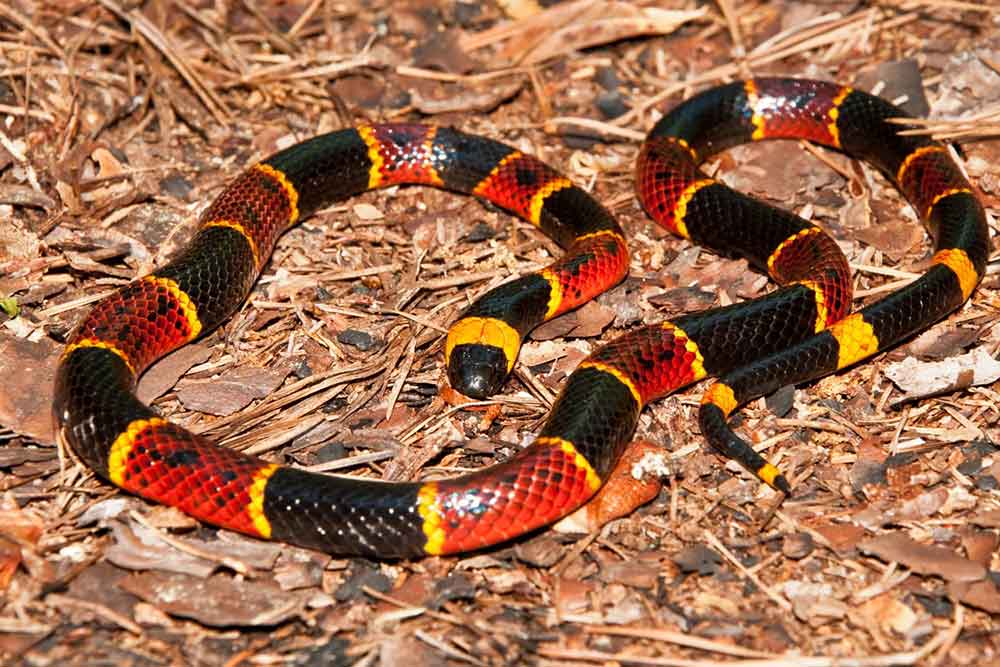
In the mountains surrounding Machu Picchu, snakes are rarely seen, and most snake species in Peru are not a huge threat to humans. Nonetheless, it’s best to be cautious and not approach them if you are lucky enough to see one.
Two species in the area are the coral snake (Micrurus Spixi) and the Andean culebrita (Tachymenis Peruviana). Both are venomous species.
While snakes are listed as dangerous animals in Peru, the risk of encountering venomous snakes at Machu Picchu is generally low.
Related Article: The Complete Packing List for Inca Trail
Birds of Machu Picchu
The Machu Picchu sanctuary is home to over 400 bird species and one of the most abundant animals found in Peru.
This region is a haven for birdwatchers – offering sightings of raptors, hummingbirds, and many other bird species around the ancient ruins.
Here are some of the iconic birds you can expect to see at Machu Picchu.
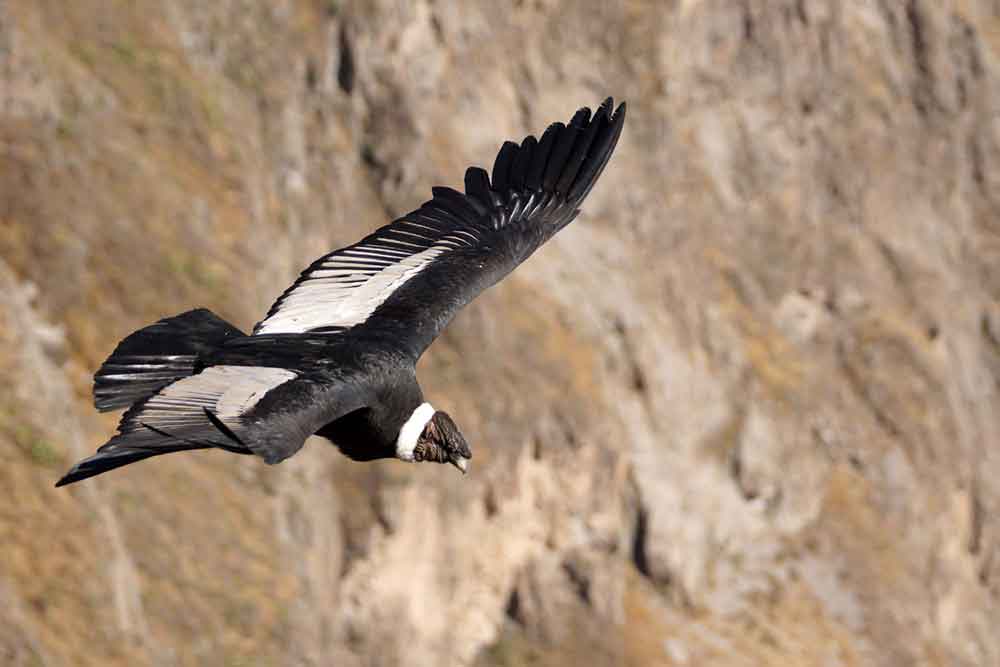
Andean Condor
One of the largest vultures globally, the Andean condor, boasts an impressive wingspan of up to 3 metres (10 feet).
Revered in Peruvian culture, the condor holds symbolic significance as a messenger between heaven and earth.
If you’re travelling throughout Peru and want a higher chance of spotting these magnificent creatures, I recommend doing the 2 day Colca Canyon hike.
The condor is among the remarkable wild animals of Peru, adding to the country’s diverse and fascinating wildlife.
Andean Cock of the Rocks
Known as gallito de las rocas in Spanish, the Andean Cock of the Rocks holds the esteemed title of Peru’s national bird.
The vibrant males display a striking red hue with rooster-like crests, attracting less colourful females with their elaborate courtship dances.
Although not easily spotted, you might be fortunate enough to glimpse one while walking between Hydroelectrica and Aguas Calientes.
For a higher chance of a sighting, the best time to see this native animal of Peru is in the morning.

Giant Hummingbird
The giant hummingbird, with an average wingspan of 20cm (8 inches), is distinctive for its slower wing beats compared to other hummingbirds.
Hikers along the Inca trail often get to witness these absolutely stunning birds sipping nectar from giant cacti flowers.
Common in the eastern and western Andes, spanning from southern Colombia to Argentina and Chile, spotting the giant hummingbird is easier said than done – they are fast, nipping from one plant to the next.
However, compared to other species of hummingbirds, their slower wing beat of around 15 beats per second makes capturing them in flight easier for photographers with the right set-up – and patience.
If you’re lucky, you may also encounter this iconic bird at Machu Picchu, adding to the must-see animals that live in Peru.

Butterflies in Machu Picchu
The largest group of species found in Machu Picchu is represented by butterflies. Depending on the weather, these butterflies can be seen flying all over and around the area.
For a closer look and a deeper understanding of butterflies, you can explore the butterfly house near Aguas Calientes on the way to Machu Picchu.
While some species near Aguas Calientes and Machu Picchu may be endangered, the sanctuary itself, spanning about 32,500 hectares, provides a diverse range of ecological niches, supporting an abundance of exotic flora and fauna.

Machu Picchu Flora and Fauna
You can also explore the abundant and diverse plants in Machu Picchu and along the Inca Trail, thriving in the region’s humid and mild climate. Peru is home to approximately 25,000 plant species, making up around 10% of the world’s total.
Here are some of them:
- Abutilon – The flower, nicknamed the Chinese lantern, features bell-shaped petals in yellowish orange with striking deep red veins. It is renowned for its ease of care, making it a perfect addition to any domestic garden, bringing a touch of Peruvian beauty to your home.
- Mirabilis Jalapa – Referred to as the Four O’Clock flower or Marvel of Peru, this versatile flower displays a variety of colours. It’s one of the prettiest fauna in Peru. Its tubular petals open in the early evening, earning it the common nickname, and close again in the morning.
- Machu Picchu Bamboo – Chusquea Delicatula, named for its delicate leaves and slender stalks, is a rare bamboo species found mostly draping down the walls of Machu Picchu, with stocks growing up to 12 feet long. Sadly, bamboo is endangered due to ongoing deforestation.
- Huarango – This tree is believed to possess the deepest roots globally, reaching up to 70 metres deep, supplying water to itself and surrounding plants. Its fruit, known as huaranga, is highly nutritious and was reportedly crucial for pre-Columbian civilizations during periods of drought.
- Arrowleaf Elephant Ear – With leaves that can grow up to three feet long, arrowleaf elephant ear is commonly utilised in reforestation to safeguard early growth and control weed growth. It’s one of the most functional fauna of Peru. The corm, resembling small potatoes, is harvested and remains a key ingredient in Peruvian cuisine.
- Muña – Muña, a plant related to mint, grows abundantly in Cuzco’s highlands. It serves as a staple in traditional medicine, supporting bone strength, enhancing the immune system, and aiding altitude sickness due to its high calcium, iron, and phosphorus content.

Tips to Spot Inca Trail Animals
Here are some helpful tips to spot Inca Trail animals:
- Go for early morning walks to increase your chances of spotting animals
- Choose less crowded areas to avoid scaring away wildlife
- Use binoculars or a zoom camera lens to observe animals from a distance.
- Keep noise levels down and move quietly to not disturb the animals
- Find a comfortable spot, sit quietly, and patiently watch for any signs of movement or sounds indicating nearby wildlife
Animals at Machu Picchu – FAQs
Now you’ve found out about the Inca Trail animals, this section answers any questions you might still have about spotting animals at Machu Picchu.
Is Machu Picchu in the Shape of a Condor?
Yes, Machu Picchu is in the shape of a condor. The surrounding mountain ridge forms a natural outline that resembles a condor with outstretched wings when viewed from certain angles, adding to the site’s mystical allure.
What Does the Snake Represent in Peru?
In Peru, the snake symbolises transformation, renewal, and fertility. It holds both positive and negative connotations. It’s seen as a powerful creature associated with the underworld and various mythologies relating to the serpent can be seen in ancient drawings, sculpture and symbolism.
What Animals Did the Incas Worship?
The Incas worshipped several animals, considering them sacred and symbolic in their spiritual beliefs. The condor represented the skies and the messenger between heaven and earth, the jaguar symbolised the land and power, and the serpent was associated with the underworld and rebirth.
What Animals Can Be Found in Machu Picchu?
Machu Picchu is home to a diverse range of animals. You may spot llamas, alpacas, vizcachas, spectacled bears, and Andean cock of the rocks, among others. Additionally, various bird species, butterflies, and reptiles inhabit the region, making the site a haven for nature enthusiasts and wildlife admirers.
Are There Monkeys in Machu Picchu?
No, there are no native monkeys in Machu Picchu. The site is located in the high Andean mountains, and monkeys are not naturally found in this region.
Are There Alpacas at Machu Picchu?
Yes, there are alpacas at Machu Picchu. These adorable and gentle camelids can often be seen grazing and wandering around the ancient ruins, adding to the unique and charming atmosphere of the site.
How Many Animals Are in Machu Picchu?
Machu Picchu is home to a variety of animals. While the exact number of animals in the area is difficult to determine, the sanctuary’s diverse ecosystem supports a rich array of wildlife.
Is the Inca Trail Dangerous?
The Inca Trail is considered moderately challenging and can pose some risks due to its high altitude and rugged terrain. However, with proper preparation, a reputable tour operator, and following safety guidelines, it can be a safe and rewarding trek.
What Types of Animals Live in Peru?
Peru is home to a wide variety of animals, including llamas, alpacas, spectacled bears, jaguars, pumas, condors, Andean cock of the rocks, and a diverse range of bird species like hummingbirds and toucans.
What Are the Most Common Animals in Peru?
The most common animals in Peru include llamas and alpacas, which are widely domesticated and seen throughout the country. Additionally, there are various bird species like parrots, toucans, and hummingbirds, as well as small mammals like squirrels and guinea pigs.
How Much Machu Picchu Wildlife Will You Spot?
So, how many of these Machu Picchu animals are on your list?
Indeed, Machu Picchu’s wildlife is one of the many reasons to visit this amazing site. Whether you are interested in birds, mammals, reptiles, or insects, you will find something to fascinate you.
But, keep in mind that Machu Picchu animals are part of the rich biodiversity that makes up this protected area with the aim of conservation for future generations to enjoy.
Looking for more reasons to visit Peru? read more inspirational articles here…