
30+ Top Things to Do in Seville: The Ultimate Bucket List
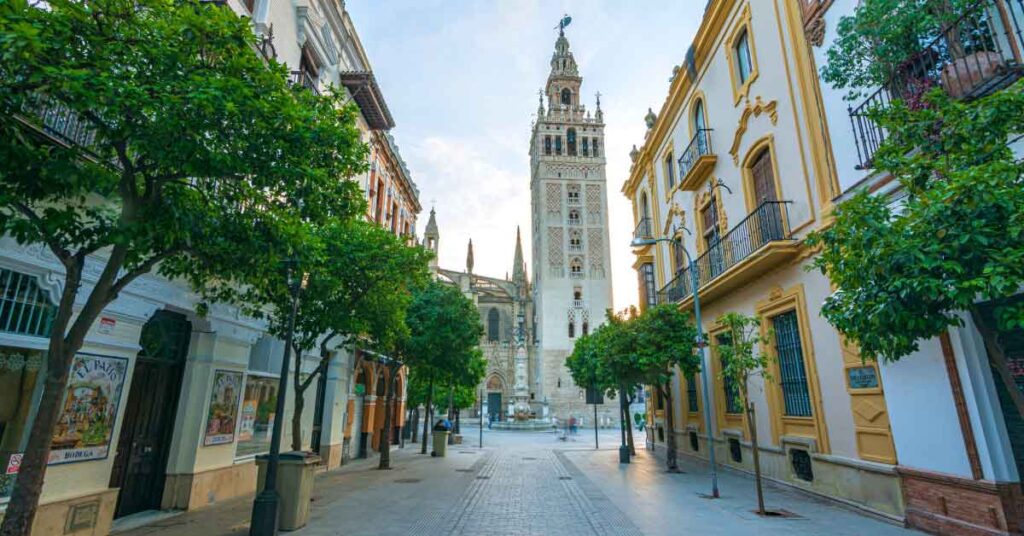
After living in Seville for several years, I got very good at separating the places that are actually worth your time from the ones people visit mostly because they feel like they should. So if you’re searching for the top things to do in Seville, this is the list I’d start with.
Whether you’re planning a first trip or putting together your Seville bucket list, I’ve included a mix of the city’s biggest sights, genuinely memorable experiences, and a few personal favourites that still hold up after years of living here.
Think stunning palaces, authentic tapas, flamenco, beautiful plazas, and a few spots that deserve more than a rushed photo and an immediate escape to the nearest air-conditioned café.
From must-see landmarks like the Alcázar and Plaza de España to the experiences that are genuinely worth prioritising, these are the things I’d actually recommend adding to your itinerary.
Meet Me In Departures contains affiliate links and is a member of the Amazon Services LLC Associates Program. If you make a purchase using one of these links, we may receive compensation at no extra cost to you. See our Disclosure Policy for more information.
Quick Guide: The Top 10 Things to Do in Seville
If you’ve only got a couple of days in Seville, these are the places and experiences I’d prioritise first. This is where I’d start. I might be slightly biased, but I do think Seville is one of the must-see cities in Spain.
And if you want the route laid out for you properly, go and have a look at my 3-day Seville itinerary once you’ve picked your favourites from this list of the best things to do in Seville.
- Real Alcázar
- Seville Cathedral
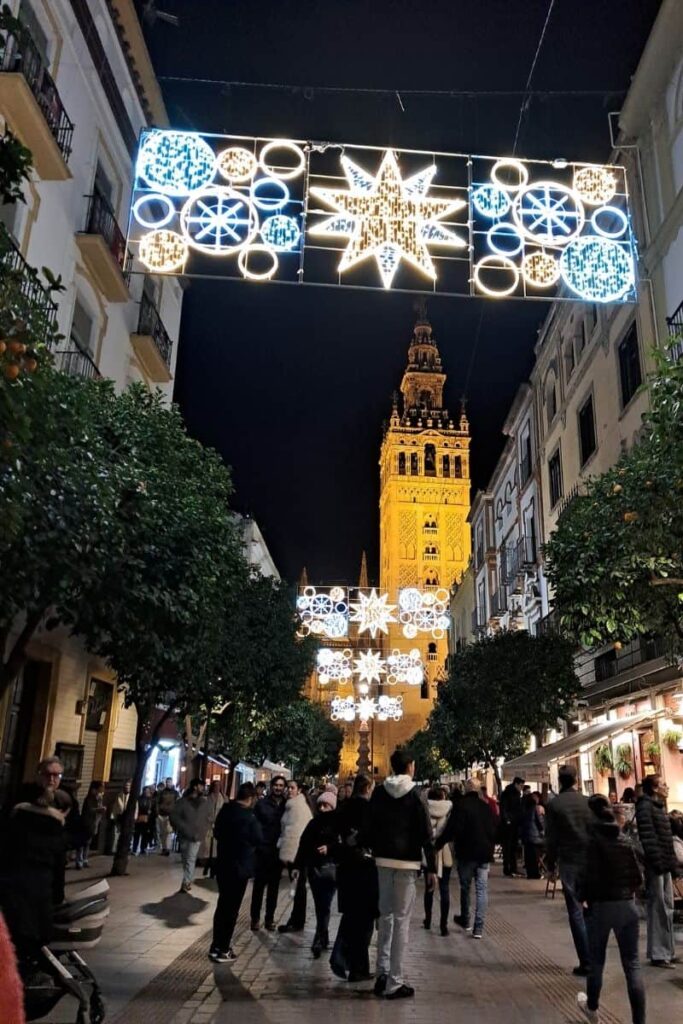
- La Giralda
- Plaza de España
- Barrio Santa Cruz
- Triana Neighbourhood
- Watch a Flamenco Show
- Eat Traditional Tapas
- Palacio de las Dueñas
- Metropol Parasol (Las Setas)

Insider Tip
If you’re planning a longer trip around southern Spain, Seville works really well as the start or end point for a bigger itinerary for Andalucia, especially if Córdoba, Granada, the Alhambra, or Caminito del Rey are also on your list.
Download the Interactive Seville Map and Full Checklist
Download the full Seville map and bucket list straight to your phone so you can plan your route easily, save the places you actually want to visit, and avoid endlessly scrolling back through this post trying to remember where that one plaza was.
Must-See Sights and Historic Landmarks in Seville
1. Real Alcázar
If you only do one palace in Seville, make it this one.
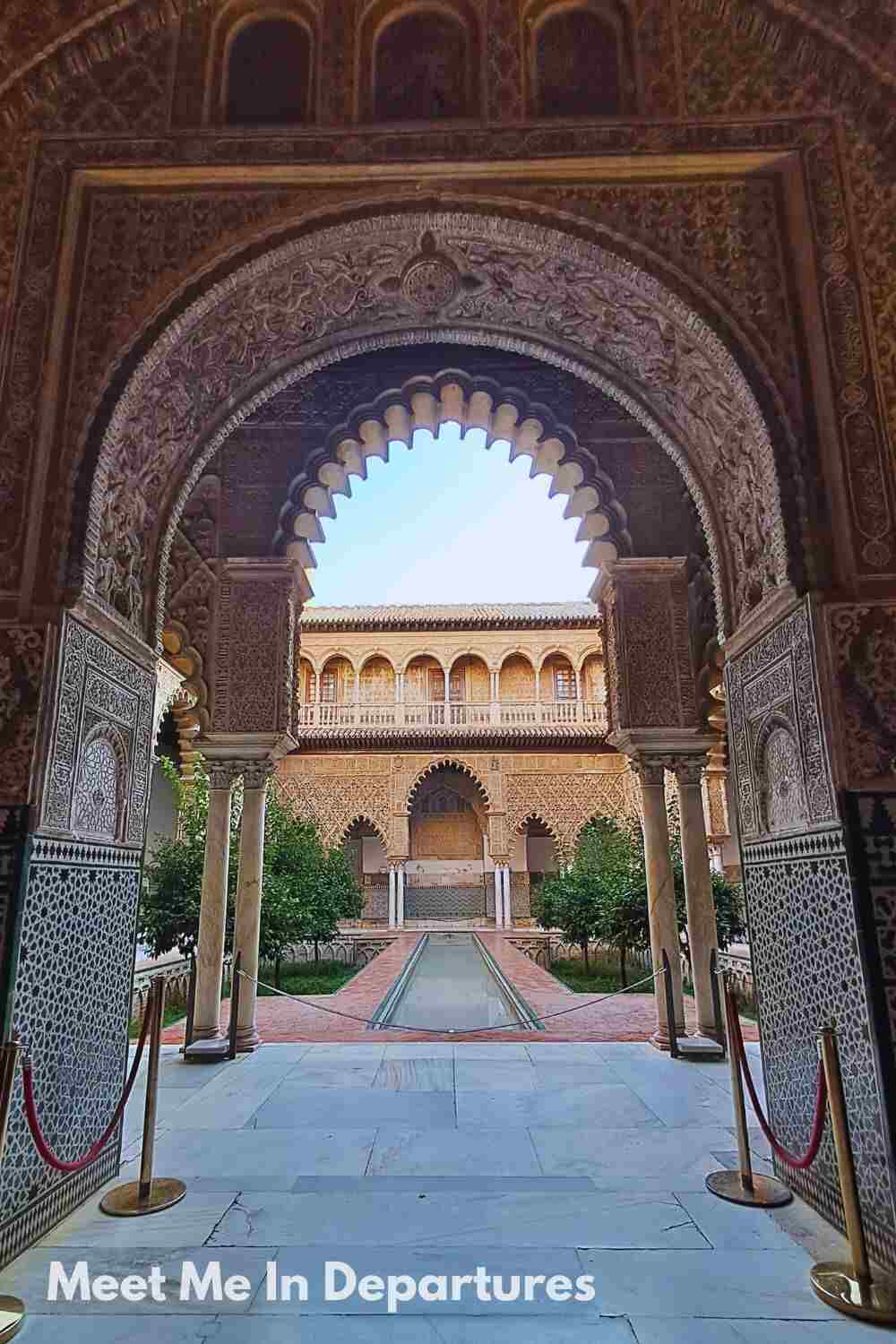
The Real Alcázar is one of the few Seville sights that really does live up to the hype. The tiled courtyards, arches, and gardens are genuinely beautiful, and it feels far more impressive in person than a lot of famous landmarks ever do.
Honestly, I rank this as one of the top places to see in Spain, let alone Seville, and you’d kick yourself if you didn’t manage to see it.
What makes it even more interesting is that it reflects Seville’s layered history really well. Inside the Real Alcazar, you’ll see a stunning mix of Moorish and Christian design all in one place, and it’s also still used by the Spanish royal family when they’re in the city, which feels mildly unfair when you’ve seen the gardens and realise this is technically someone’s occasional house.
If it’s your first time in Seville, I’d absolutely prioritise it.
There are quite a few ticket options, but because the Alcázar can attract thousands of visitors a day, it’s worth booking ahead and giving yourself decent time to enjoy it rather than rushing through. If you’re not sure which one to go for, check out my review about why I think early access to the Alcazar is genuinely worth it.

VIP Early Entry to the Alcázar
Beat the crowds and enjoy the Alcázar before it gets busy, with quieter courtyards, more space, and a much more exclusive feel.
2. Seville Cathedral
Even if you don’t usually go out of your way for cathedrals, Seville Cathedral is worth making an exception for.
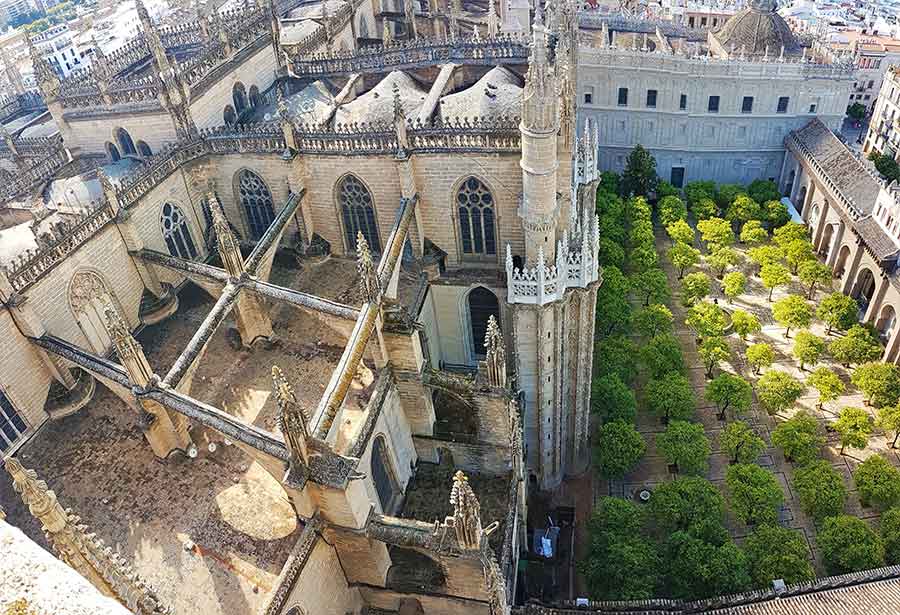
It’s one of the city’s biggest sights, and as the largest Gothic cathedral in the world, it really is impressive. Spain has plenty of beautiful cathedrals, but few come close to this one, although the Sagrada Familia in Barcelona might argue otherwise.
What makes it more interesting is that this site was originally a mosque, and you can still see parts of that history today, especially in La Giralda and the orange tree courtyard.
Climb La Giralda
La Giralda started life as the mosque’s minaret, which is also why the climb is done by ramps rather than a standard staircase. It’s much kinder on the legs, and the views over Barrio Santa Cruz and the rooftops are well worth it.
See the Tomb of Christopher Columbus
You’ll also find the tomb of Christopher Columbus inside. For years, there was debate over whether his remains were actually in Seville, but DNA analysis in 2024 confirmed they do belong to him, which makes it a bit more interesting than it might sound at first.
If it’s your first time in Seville, I’d do the full visit in-depth rather than treating it as a quick look round.
Seville Cathedral Skip-the-Line Tickets
Save time, avoid queueing in the heat, and get straight in rather than wasting part of your day standing outside.
3. Plaza de España
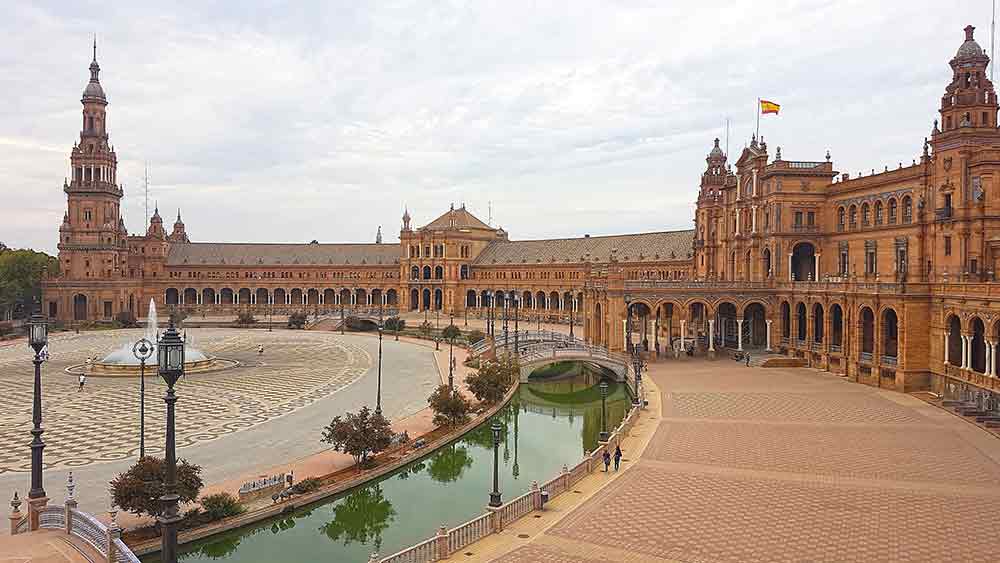
Touristy, yes, but for once it’s justified. Plaza de España is one of the few places in Seville that still manages to impress even when you’ve already seen it all over Instagram.
It was built for the 1929 Ibero-American Exposition, and part of what makes it so special is the amount of detail in it, from the bridges and carved stonework to the tiled alcoves representing each Spanish province.
I’d definitely make time for it on a first trip, but I’d pair it with María Luisa Park rather than treating it like a quick photo stop. It’s much nicer when you’ve got time to actually wander and take it in.
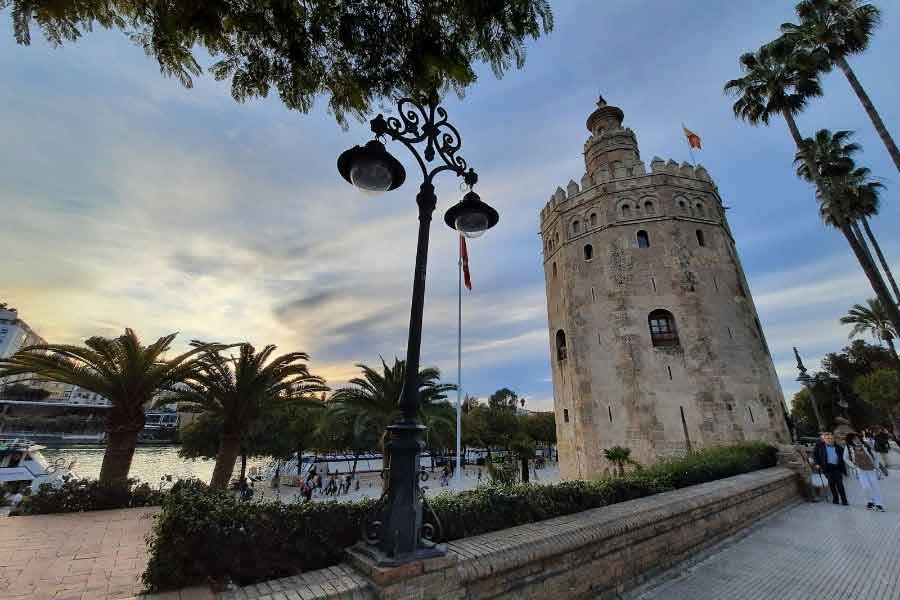
4. Torre del Oro
Torre del Oro is one of Seville’s most recognisable landmarks, sitting right on the river and looking far more dramatic than its fairly small size might suggest.
It dates back to the 13th century, when it formed part of the city’s old defensive walls, so it gives you a little glimpse into Seville’s history without needing a full history lesson.
Although this isn’t a must-see in Seville compared to some of the other headline sites, it’s worth stopping by if you’re in the area. There’s also a nice little nautical museum inside, and you can climb to the top for nice views over the river and across to Triana.
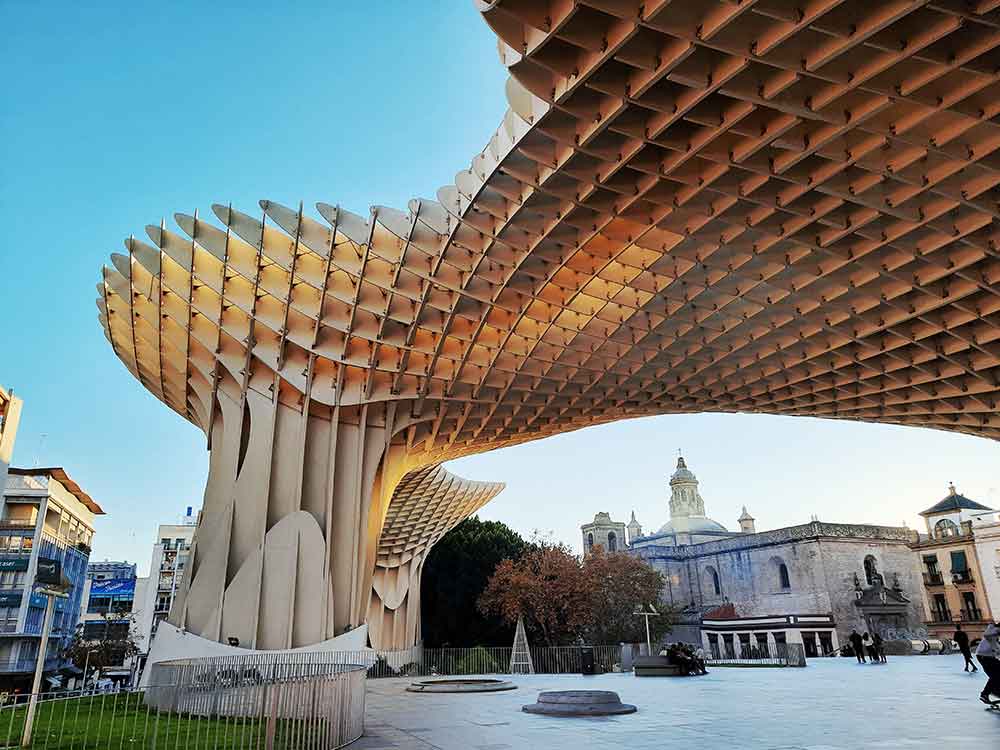
5.. Metropol Parasol (Las Setas)
Las Setas is one of the more unusual things to see in Seville, and not just because it looks like someone dropped a giant wooden mushroom into the middle of the city.
It’s billed as the largest wooden structure in the world, and while that’s obviously impressive, the more interesting part is what’s underneath it. When they started building it, they uncovered Roman ruins on the site, which are now preserved in the Antiquarium below.
I’d go up later in the day so you get the best of it all at once: the city in daylight, sunset over the rooftops, and then the lights once it gets dark. That timing makes the whole experience much better than just going up whenever you happen to walk past.
Las Setas Entry Ticket
Book tickets in advance and choose a time slot that works best, especially if you want to time it for sunset and the evening lights.
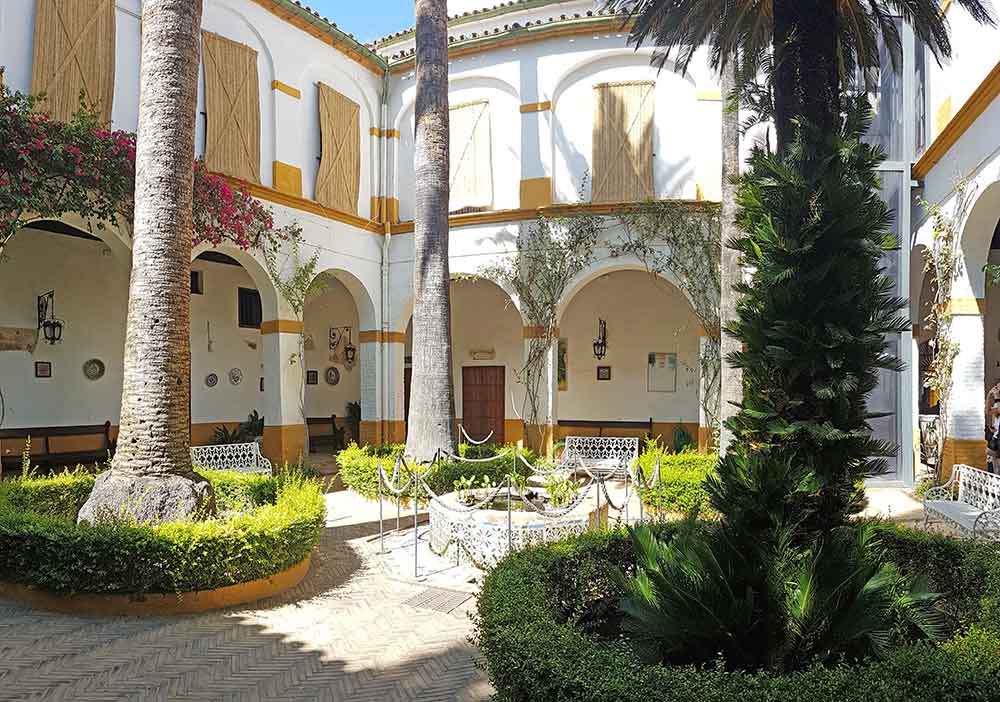
6. Palacio de las Dueñas
Palacio de las Dueñas is one of my favourite historic buildings in Seville, mostly because it feels a bit calmer and more personal than some of the city’s bigger sights.
It’s a beautiful old palace with courtyards, gardens, tiled details, and all the slightly dramatic aristocratic charm you’d expect, but it doesn’t feel nearly as overwhelming as somewhere like the Alcázar.
If you like grand historic places but cannot be bothered with constant crowds, this is a really good one to add to your list. I’d see it as more of a quieter, slower-paced visit, especially if you want something that still feels special without being quite so full on.
Palacio de las Dueñas Tickets
Book tickets in advance, with an audio guide option.
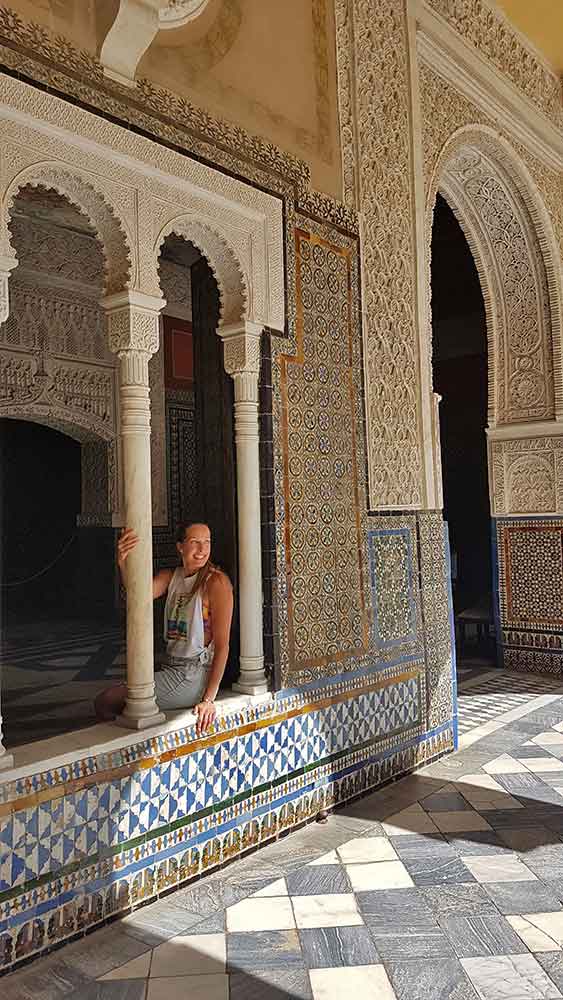
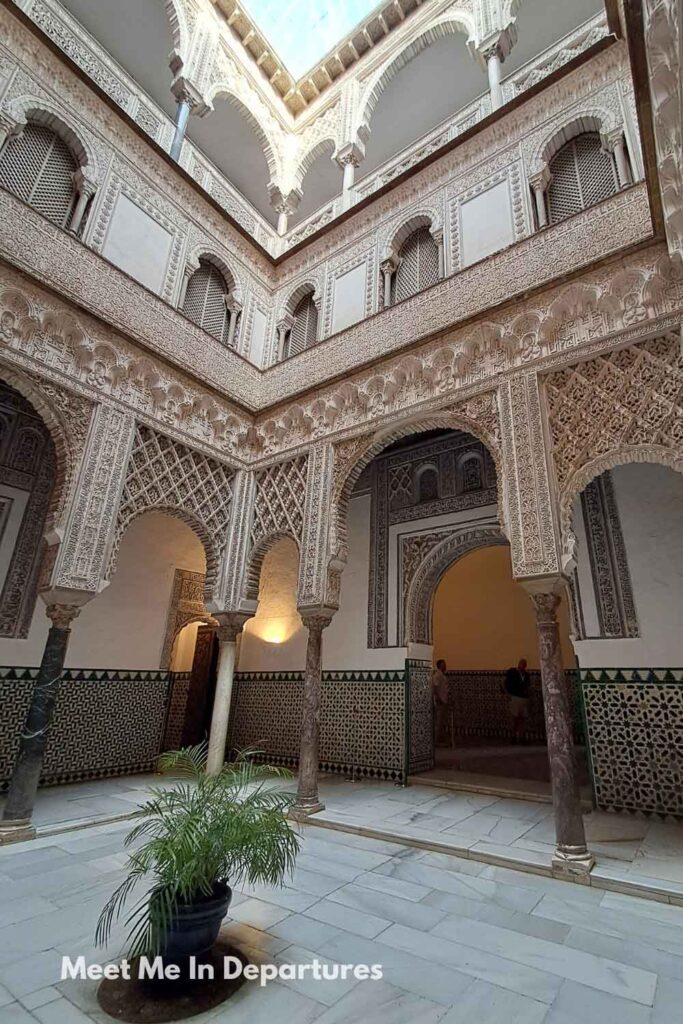
7. Casa de Pilatos
This is another beautiful Andalusian palace, so if you’re choosing between Casa de Pilatos and Palacio de las Dueñas, I’d just pick the one that appeals more, rather than feeling like you need to do both.
This one feels a bit more architectural, with a central courtyard, arched windows, columned walkways, geometric azulejo tiles, a fountain, and marble sculptures that make the whole place feel very polished and very Seville.
I think it looks best on a bright day, when all those tiles and details really stand out. It’s not one I’d put above the absolute headline sights, but if you like historic houses and want something quieter than the Alcázar, it’s a good addition.
Planning Tip
If you love this style of architecture, then definitely visit The Alhambra in Granada, you’ll see plenty of similarities between the Real Alcazar and the Nasrid Palaces.
Find out how to take a day trip to Granada from Seville here
8. Archivo de Indias
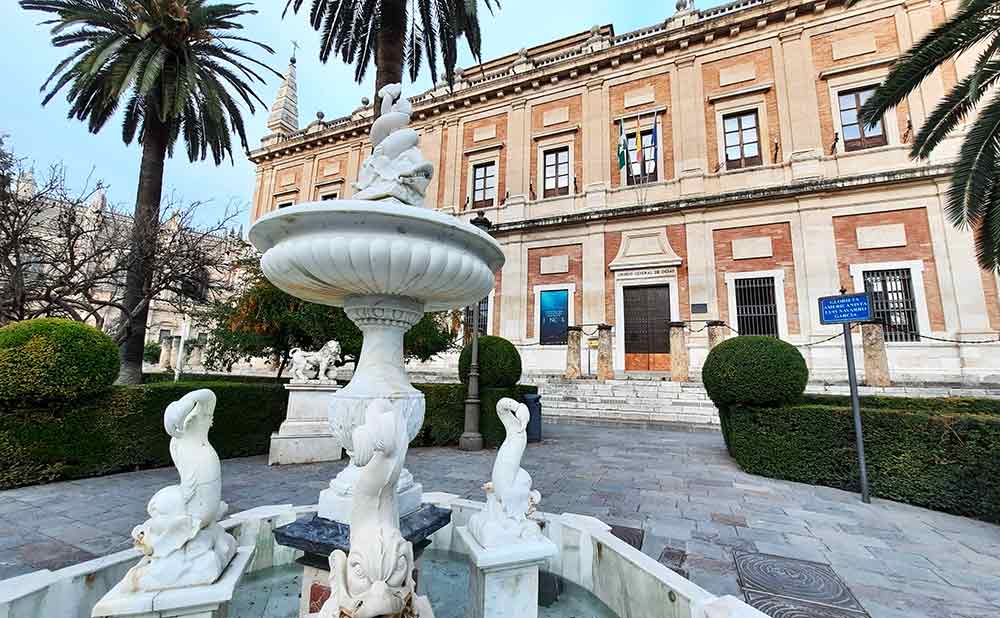
Archivo de Indias is a good one to add if you like your history with a bit more substance than just looking at another pretty building.
This is where Seville’s links to Columbus and Spain’s trade with the Americas really come into focus, and inside you can see old maps, documents, and those enormous bookshelves full of centuries-old records.
It’s well worth popping into when you’re already around the Cathedral and Alcázar if you have a bit of time to kill. It’s also free, which helps, and it gives a bit more context to why Seville became such an important and ridiculously wealthy city in the first place.
9. Roman Ruins of Itálica
I’m a huge fan of ancient ruins and archaeological sites, so if you’re the same, then I’d recommend making time for Itálica. It’s only about 8 km outside Seville in Santiponce, and you can get there easily by bus from Plaza de Armas, or just get an Uber if you can’t be bothered dealing with public transport.
Italica is also one of the best Roman ruin sites in Spain. The big highlight is the amphitheatre, which Game of Thrones fans might recognise, but there are also mosaics and old streets that make it feel more interesting than just a quick look at a few ruins.
I’d probably only suggest it if you’ve got at least half a day to spare and you actually like this kind of thing, because it does take a bit more effort than the places in the centre. Also, the opening hours vary a lot depending on the time of year, so definitely check the official website before you go.

Neighbourhoods, Parks and Places to Wander
10. Parque de María Luisa
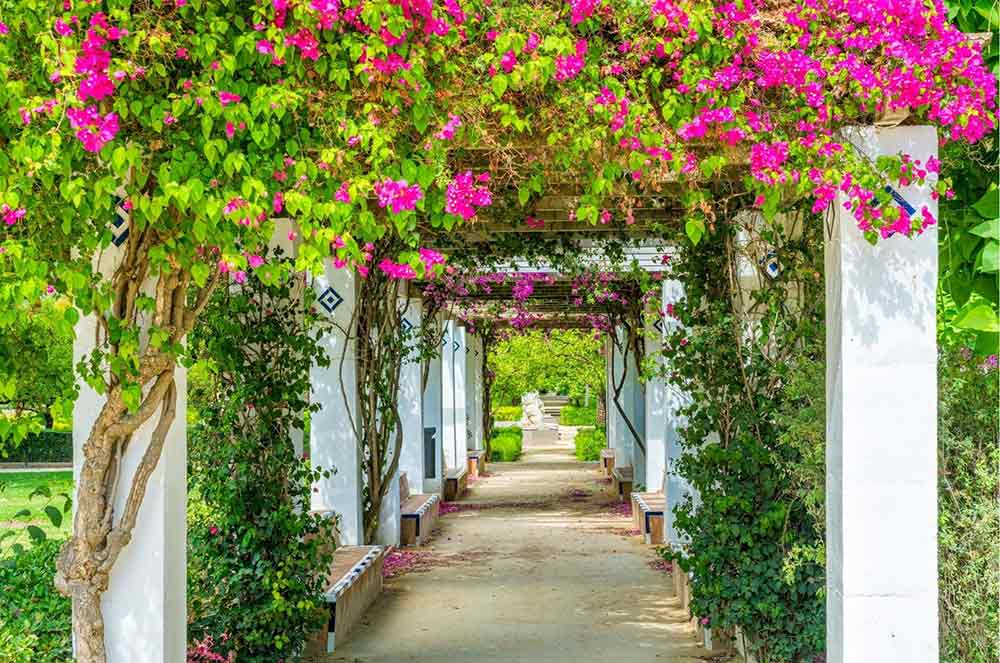
If you need a break from Seville’s insane summer heat, Parque de María Luisa is one of the nicest places in the city to slow down for a bit. It’s right next to Plaza de España, but it feels much calmer, with shady paths, fountains, gazebos, tropical plants, colourful flowers, and a surprising amount of space once you get away from the main entrances.
The park was originally part of the gardens of the Palace of San Telmo, then donated to the city and later redesigned ahead of the 1929 Ibero-American Exhibition, which is why this whole area feels so grand.
I’d pair it with Plaza de España, but not just as a quick add-on. It’s worth taking the time to wander through, especially if you want a slower part of the day that still feels like Seville.
11. Barrio Santa Cruz
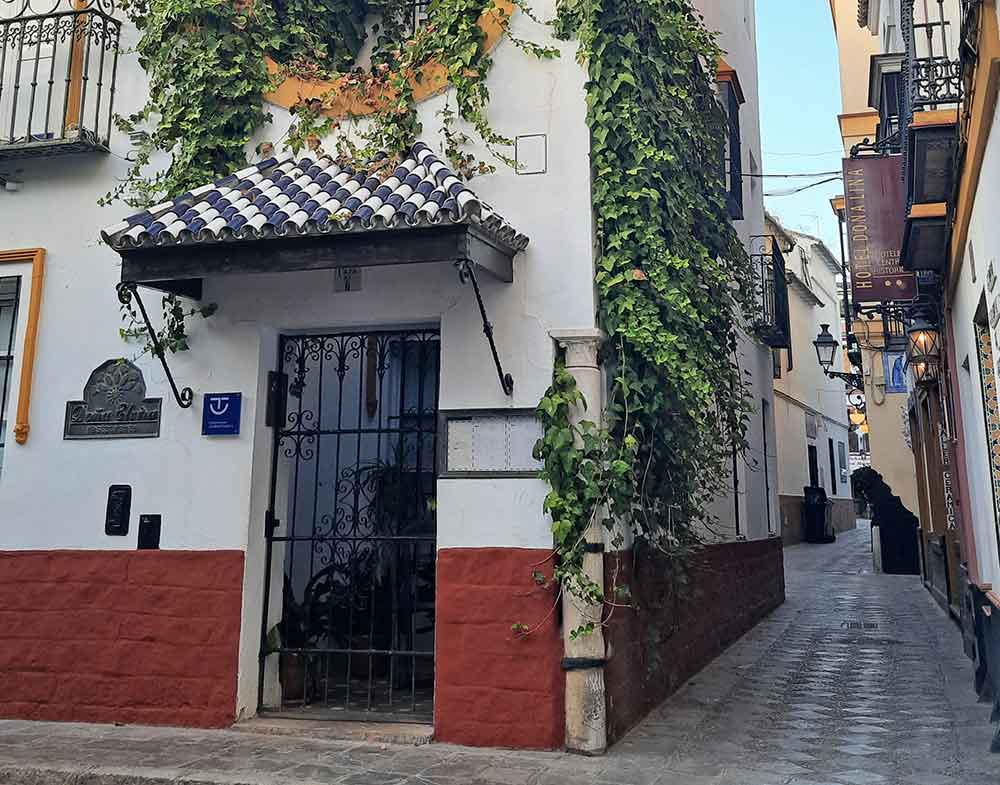
Barrio Santa Cruz is the old Jewish quarter, and if you want the part of Seville that feels all winding lanes, hidden courtyards, and tiny squares with fountains, this is it.
It’s one of the most historic things to visit in Seville, dating back to when Ferdinand III conquered the city and the Jewish population was confined to this area, so there’s a lot more to it than just being somewhere pretty to wander
Yes, it’s popular, but I still think it’s worth slowing down here rather than just passing through on the way to the Cathedral. There are little cafés, boutique shops, and plenty of corners that still feel atmospheric, especially once you get a step or two away from the busiest streets.
Small-Group Jewish Quarter Walking Tour
Join a local guide and learn about the area’s history in Seville’s most historic neighbourhood.
12. Triana Neighbourhood
Triana has a much more local, residential feel than the historic centre, so if you want a side of Seville that feels a bit less polished and a bit more lived-in, I’d come here.
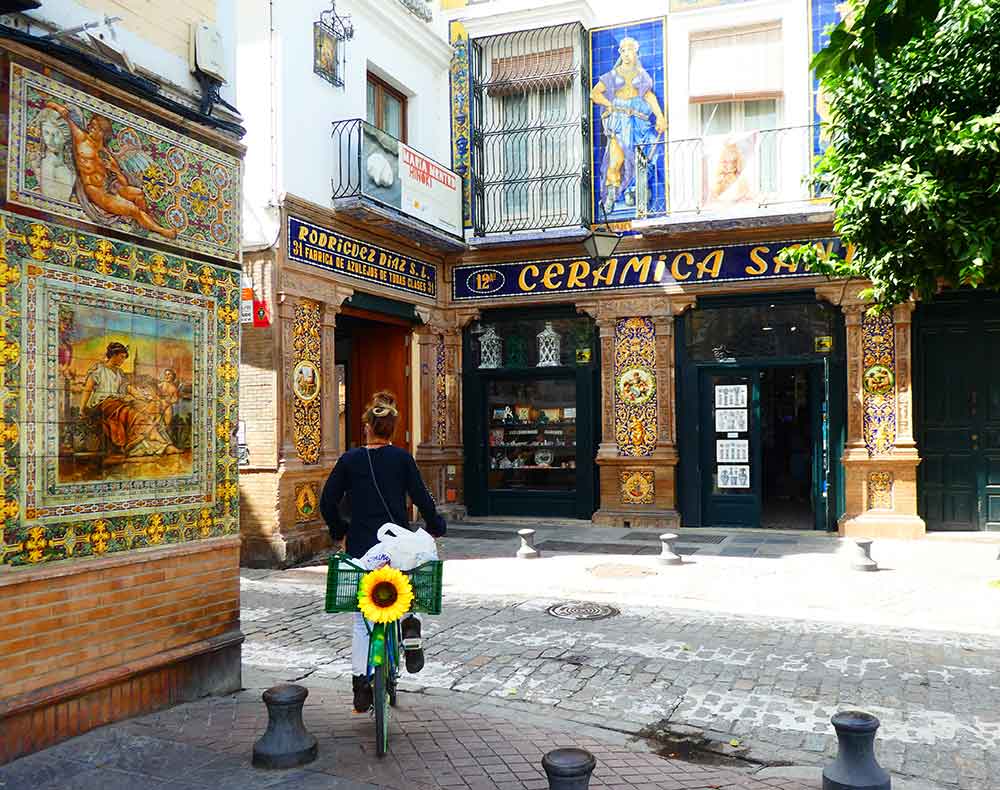
It sits across the Guadalquivir from the old town, and it’s the part of the city most closely linked with flamenco and ceramic-making, which is why you’ll keep spotting those colourful azulejo tiles all over Seville.
I’d wander over via Puente Isabel II, have a walk along Calle Betis, and then just see where you end up. If the tile side of things interests you, Centro Cerámica is worth popping into as well, because it gives a lot more context to a craft you’ll already have seen all over the city by this point.
13. Alameda de Hércules
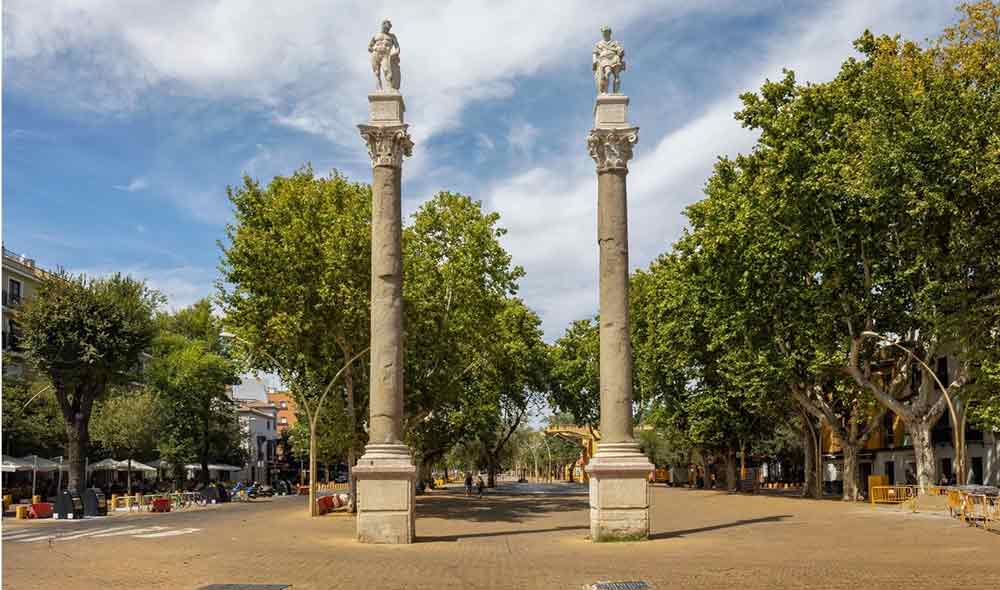
If you want Seville after dark, this is where I’d come. Alameda de Hércules is one of the main nightlife areas in the city, but it’s not just about clubs. In the daytime, it’s full of bars, restaurants, and tavernas, so it works just as well for a drink or dinner as it does for a later night out.
You’ll know you’re in the right place when you spot the two huge Roman columns at either end of the square. I’d come here more for the atmosphere than for ticking off a sight, because this is really about seeing a more social side of Seville rather than doing anything wildly cultural.
Food, Flamenco and Local Experiences
14. Watch a Flamenco Show
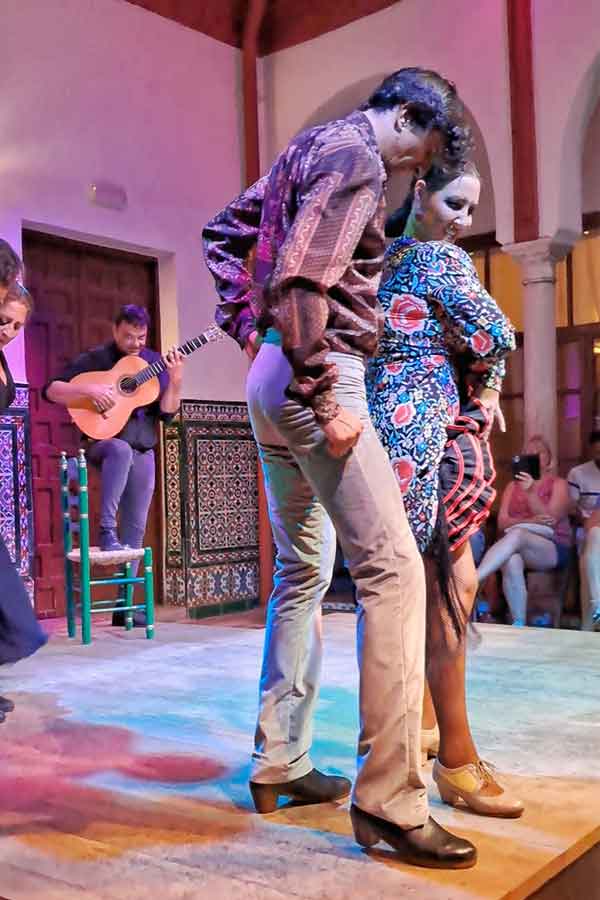
Watching flamenco is one of the real must-do things in Seville, and this is one I would not skip.
You can see flamenco in other parts of Spain, but Seville has much stronger ties to it, so it feels a lot more rooted in the city here, and definitely something to add to your wider Spanish bucket list.
It’s not just dancing either. A good show is all live guitar, singing, rhythm, and a lot more emotion than people expect.
I’d choose a smaller, more intimate venue over a big theatre-style production every time. The courtyard shows feel much more atmospheric, and personally, I think flamenco works better when it’s a bit closer and raw, without loads of lights and amplifiers trying to turn it into something it doesn’t need to be.
Flamenco Show with Tapas Crawl
Make a whole evening of it, start with a tapas crawl, and then enjoy a traditional flamenco show.
15. Take a Flamenco Dance Lesson
Watching flamenco is one thing, but learning flamenco yourself is a very different experience. Seville is the right place to do it, and it gives you a much better appreciation for just how hard it actually is.
All those arm movements, posture, and rhythms look effortless when a professional does them, and then you try it yourself and realise very quickly that they are not.
This is a great one to add if you like more hands-on, immersive experiences rather than just sightseeing. And because a lot of the classes are small group or private sessions, it does not feel nearly as intimidating as you might think.
16. Explore Seville’s Food Markets
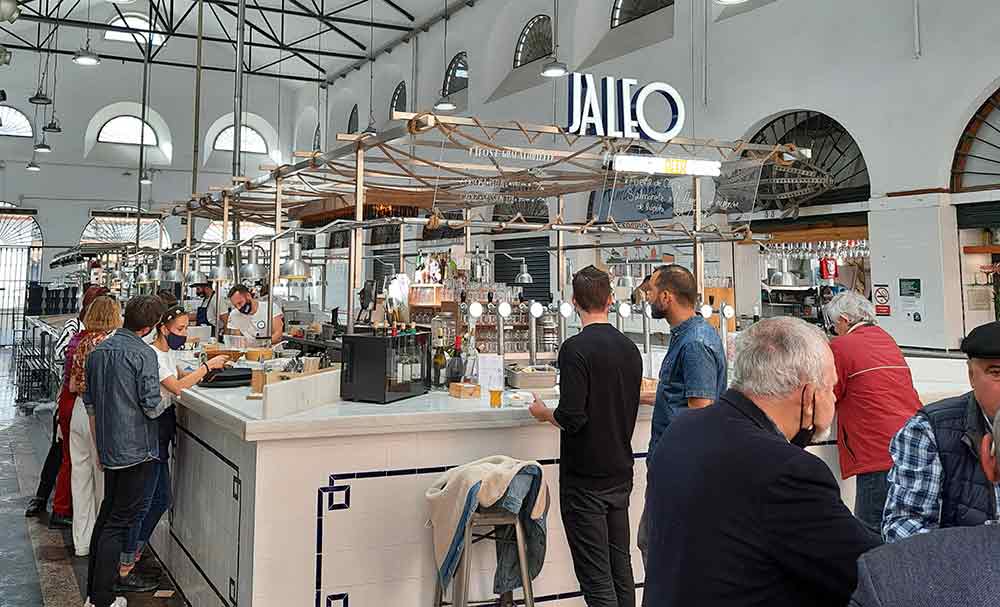
If food is a big part of how you like to experience a city, Seville’s markets are well worth making time for.
The two I’d focus on are Mercado de Triana and Mercado de Feria, because both give you that mix of local produce stalls and places to stop for something to eat, whether you want a quick snack, a proper lunch, or just an excuse to hover near the olives for a while.
I would not treat this as a major sightseeing stop, but I do think it’s a really good way to break up the day and get a feel for Seville beyond the monuments.
Mercado de Triana is the more obvious one to visit because of the location, but Mercado de Feria feels a bit more local.
17. Go on a Tapas Crawl
A tapas crawl is one of the best ways to get under the surface of Seville a bit, especially if you want something that combines food, history, and actually learning something about the city as you go.
In my experience, the best ones take you into different neighbourhoods, explain the stories behind what you’re seeing, and get you away from the most obvious tourist spots.
I’ve done a few tours around the city for comparison, and I found the best tapas tours in Seville are the ones that hop around Barrio Santa Cruz and Triana. I’ve even joined tours that combined tapas with flamenco, so there are plenty of options to choose from.
Good To Know
I’ve done several tapas tours in Seville over the years, and the ones by Devour Tours have easily been my favourite. They use locally owned businesses and historic venues, and the food feels traditional and genuinely rooted in the city rather than a polished version created for tourists.
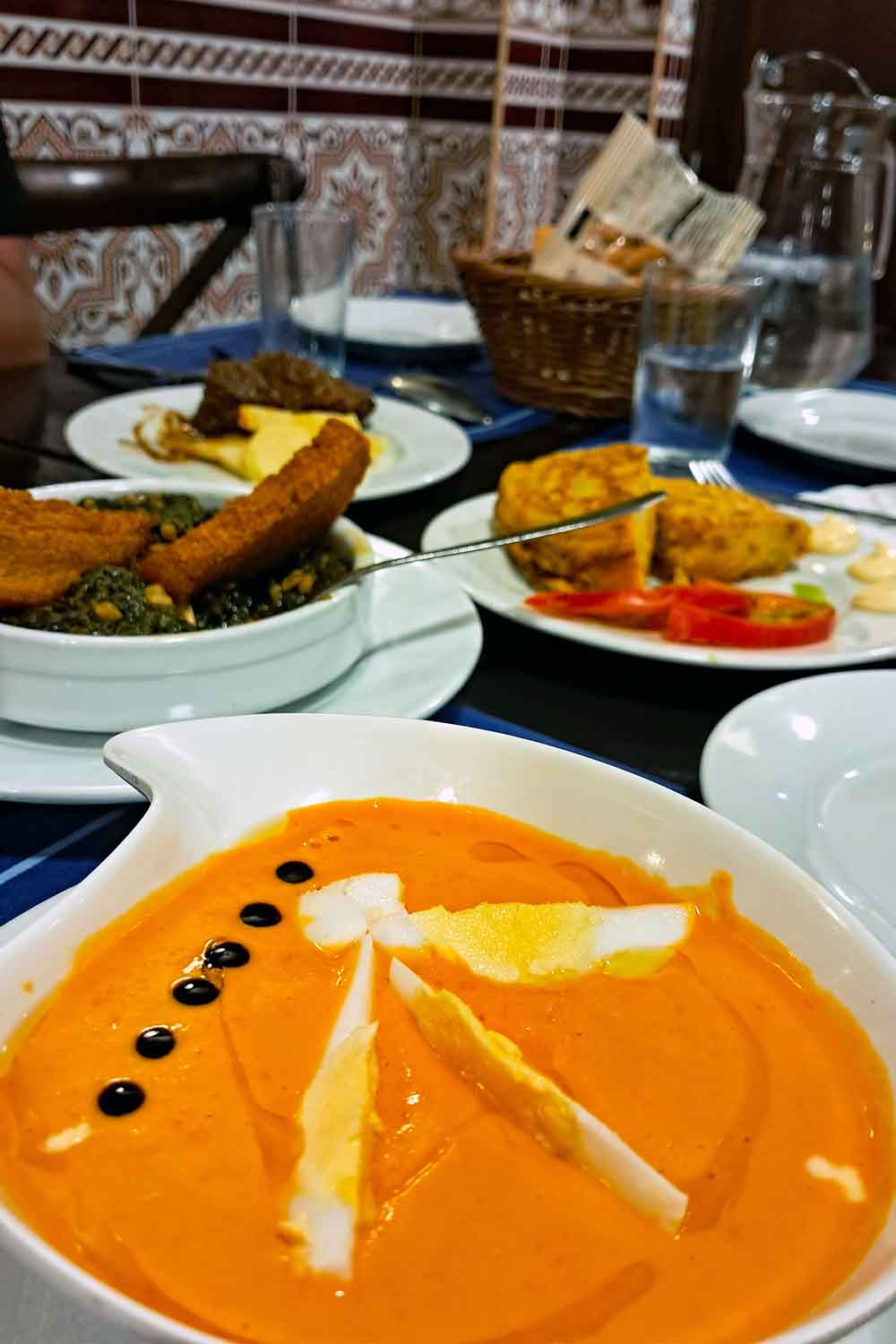
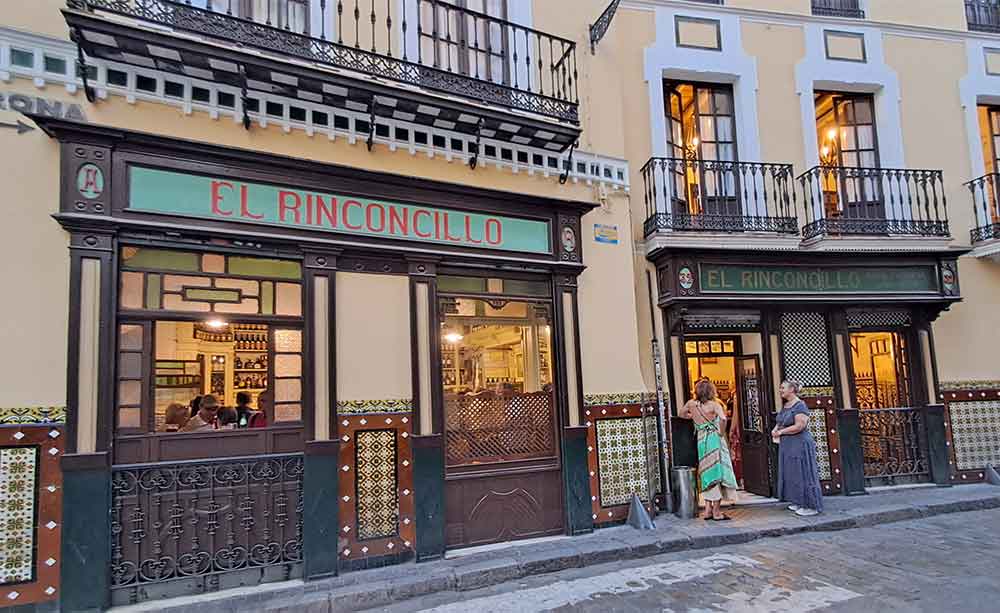
18. Eat at El Rinconcillo
If you want one meal in Seville that feels genuinely historic, go to El Rinconcillo. It’s the oldest bar in the city, dating back to 1670, and it still has all the details that make it memorable, from the tiled walls to the hanging hams and those floor-to-ceiling wine cabinets.
It does get very busy, though, so at peak times you can end up queueing outside and around the corner. I’d come for the atmosphere as much as the food, order a few classic tapas and a glass of something local, and have a look inside even if you decide not to stay.
Although a lot of tapas focus on meat or fish, there are several options for Spanish vegetarian food; olives, espinacas y garbanzos (spinach and chickpeas), and tortilla are all great options.
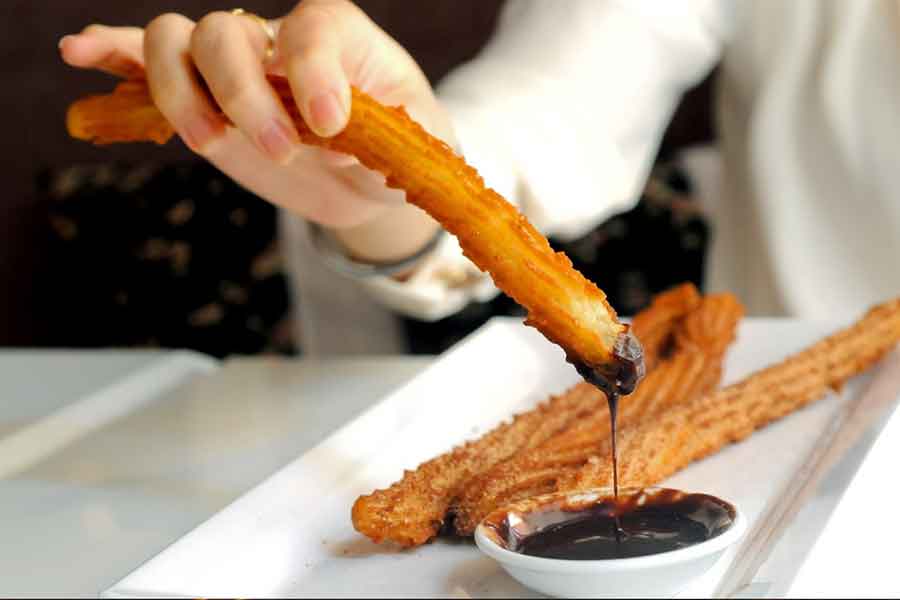
19. Try Churros y Chocolate
If you have not tried churros y chocolate yet, Seville is a very good place to start. Hot churros dipped in thick, rich chocolate are exactly what you want if you’re visiting Seville during the cooler months.
My go-to for this is Bar El Comercio, which is a bit of an institution and still has that old-fashioned feel inside. They do serve other traditional foods, but the churros are the main reason people come, and rightly so.
20. Take a Spanish Cooking Class
If you want something a bit more hands-on than just eating your way around Seville, a Spanish cooking class is a good one to add.
A lot of them start with a market visit, so you get a better feel for the ingredients and dishes that shape Andalusian food, rather than just turning up and following a recipe.
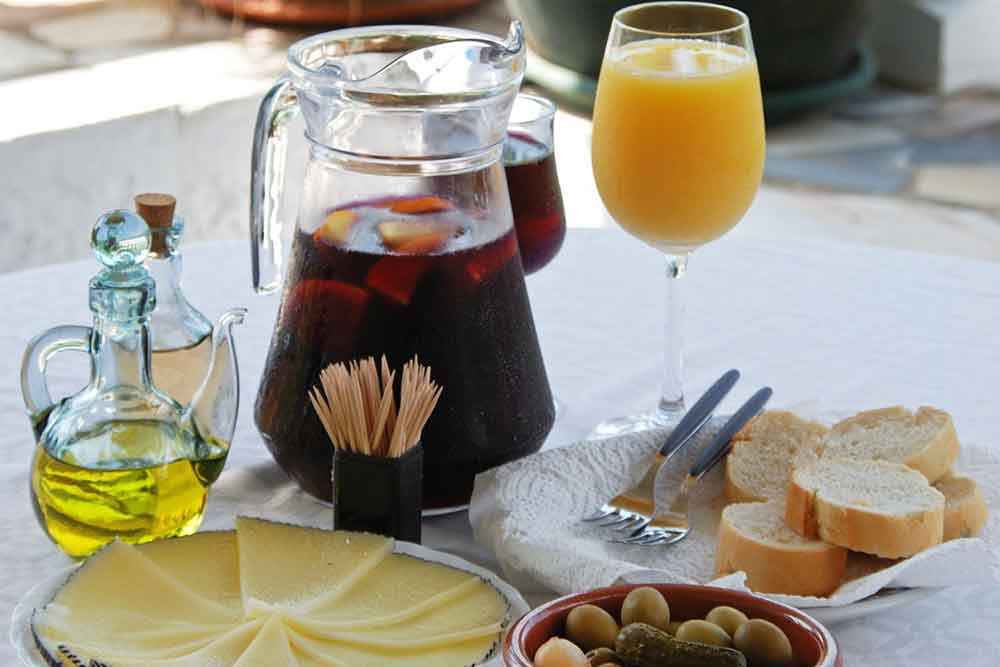
I’d be a bit picky with this one, though, because there are plenty of classes built around paella and sangria, and neither of those is really what Seville is about.
Paella is from Valencia, and sangria is mostly rolled out for tourists, so I’d go for a more authentic tapas cooking class instead. That feels much more in keeping with the food culture here.
Spanish Cooking Class with Market Tour
Learn how to cook traditional Andalusian dishes in the 3.5-hour cooking and market tour.
21. Taste the Local Orange Wine
One thing you notice very quickly in Seville is just how many orange trees there are; over 40,000! The fruit is far too bitter to eat straight from the tree, so a lot of it ends up being used for marmalade or orange wine instead.
The wine itself is actually produced in nearby Huelva, but it’s made using Seville oranges, with the bitter peel soaked in a sherry base to give it that sweet, citrusy flavour.
I would not say this is a must for everyone, but it is a fun one to try if you want something a bit more local and specific to the area. It also makes a nice change from just ordering the same glass of wine everywhere and calling it cultural research.

Unique Things to Do in Seville
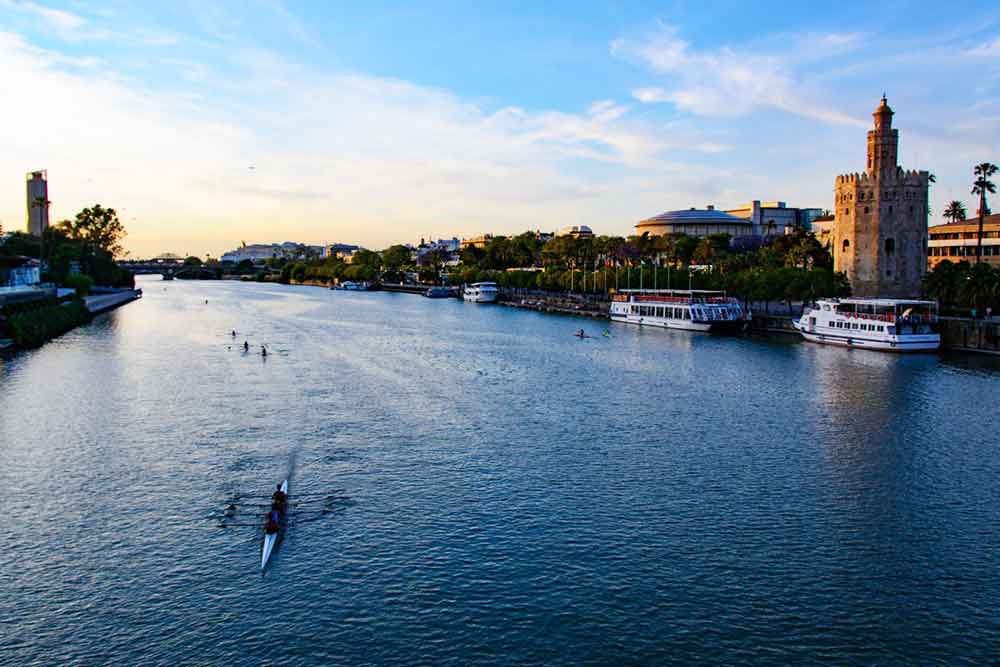
22. Enjoy Seville from the River
Seeing Seville from the river gives you a completely different perspective, and it is a nice way to break up all the walking and sightseeing. The Guadalquivir runs right through the city, so this is an easy one to add if you want something a bit different.
- Take a mini river cruise if you want the easiest option. It is the least effort, you get good views of the city, and it is a nice excuse to sit down for a bit.
- Go kayaking on the Guadalquivir if you want something more active. It is a fun way to see the river, and it feels a bit more memorable than just walking alongside it.
- Try paddleboarding in Seville if you want the most unusual option. This one is good fun, but I would only recommend it if your balance is better than mine.
I’d do any of these later in the day when it’s a bit cooler, and the light is nicer along the river.
23. Take a Ceramic Workshop
Triana has been linked to ceramics for centuries, so this is one of the more interesting hands-on things to do in Seville if you want something a bit different from the usual sightseeing.
You’ll see colourful azulejo tiles all over the city, and this is your chance to understand where that tradition actually comes from rather than just admiring it in passing.
If you like more immersive experiences, learning how to paint a traditional tile is a really good one to add, especially if you’re looking for a unique souvenir to take home. It also works well as a slower, more creative break from just wandering between landmarks.
24. Have a Photo with ‘Alicia’ at the CAAC
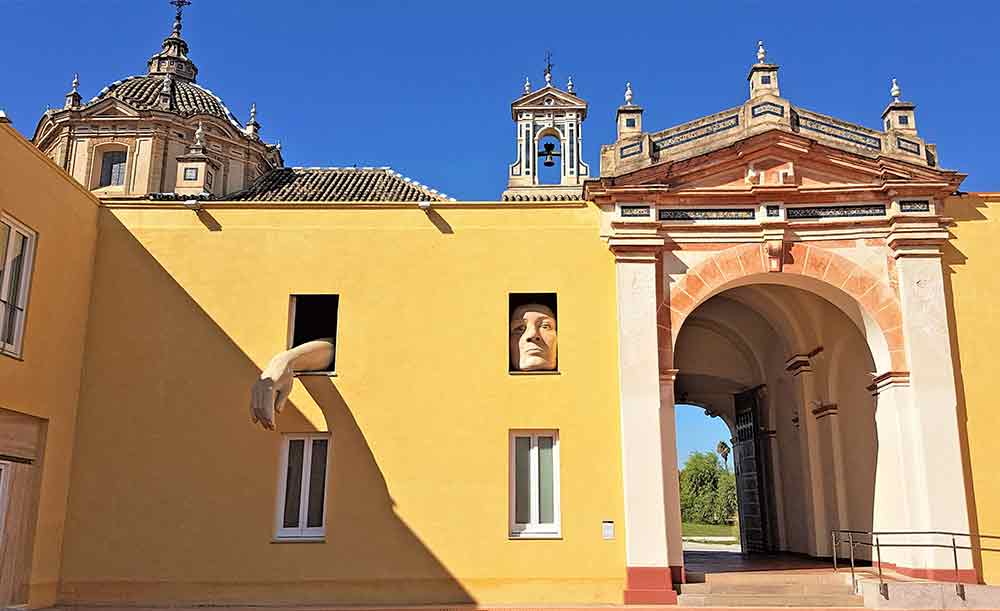
If you’re looking for more unusual things to do in Seville, go and find ‘Alicia’ at the CAAC.
She’s a slightly eerie art installation inspired by Alice in Wonderland, created by Cristina Lucas, and you’ll spot her peeking out of a courtyard window.
The CAAC itself is worth a look, too. It’s on the Triana side of the city and is set in a former tile factory that was once a convent, so the building is part of the appeal as well, with its tiled walls and tall chimneys.
I’d add this if you like contemporary art or just want something less obvious than another church or palace.
25. Explore the Leftovers of Expo ’92
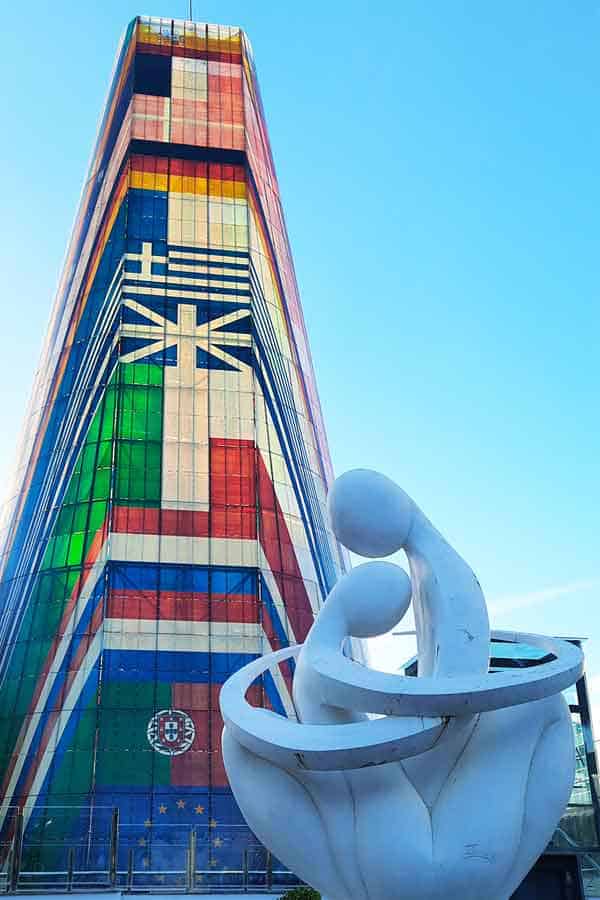
Another one that’s a bit different from the usual Seville sightseeing circuit is to explore the leftovers from Expo ’92.
Dotted around La Cartuja are loads of the old pavilions, along with the random space rocket, and the whole area has that slightly strange, half-forgotten feel that makes it much more interesting than it probably should be.
I’ve spent hours wandering around this part of La Cartuja, and if you like urban exploration, odd corners of a city, or places with that slightly abandoned feel, it’s well worth a look. You can find some of it on Google Maps, but half the fun is just stumbling across the weird bits still left behind.
26. Drink the Blood of Christ
If you want something in Seville that is a bit weirder than the standard rooftop bar, go to Bar Garlochi.
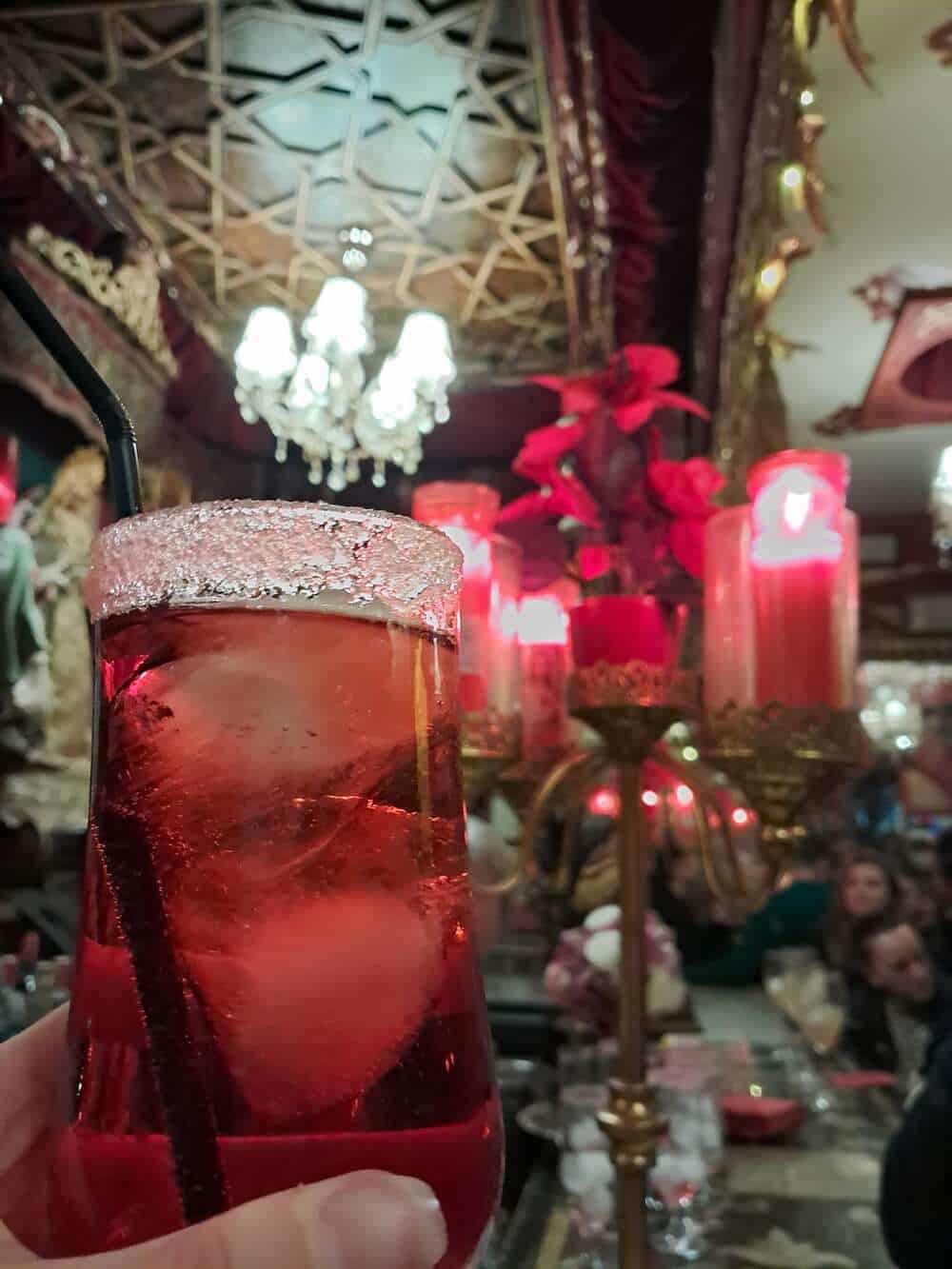
The whole place is covered in Semana Santa imagery, religious statues, candles, silverwork, and all sorts of cofrade memorabilia. Its signature cocktail is the Sangre de Cristo, or Blood of Christ.
The cocktail is a sweet mix of cava with grenadine, served in a sugar-rimmed glass.
I’d come here for the atmosphere, and not necessarily Seville’s best cocktail. However, it’s very gimmicky and quintessentially Sevillano. It’s useful to know that they only take cash.
27. Brunch at Hotel Alfonso XIII
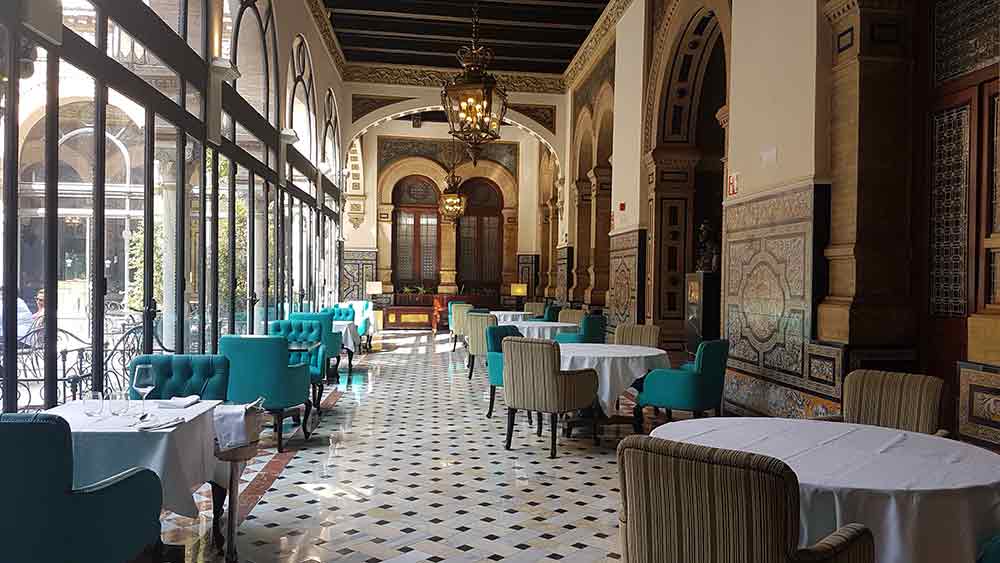
If you want a more luxurious Seville experience without actually staying at Hotel Alfonso XIII, go for brunch instead.
It’s held at Restaurante San Fernando in that very grand courtyard setting, and is a nice way to experience the historical hotel without committing to a room rate that may or may not make you wince.
The hotel’s current brunch is on Sundays from 1 pm to 4 pm.
The brunch includes sweet and savoury dishes plus sparkling wine, coffee, juices, and infusions, so it works well if you want something that feels a bit indulgent and a bit different from the usual tapas-and-wandering routine.
Seasonal Highlights: What to Do in Seville Throughout the Year
28. Feria de Abril
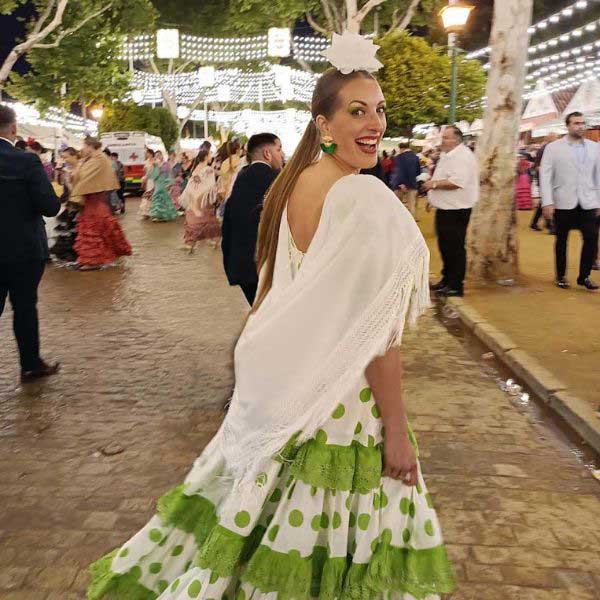
If you happen to be in Seville for Feria, it completely changes the city. The fairgrounds in Los Remedios turn into a whole mini city of casetas, horse-drawn carriages, flamenco dresses, music, and very little sleep for the next week.
It starts with the lighting of the portada at midnight and carries on until the early hours every night, so it is a lot, but in a good way.
I would not plan your trip around Feria unless you actually want to experience it, because Seville gets busy, expensive, and a lot less calm than usual. But if you do want that full-on Sevillano atmosphere, this is when the city really goes all in.

29. Semana Santa
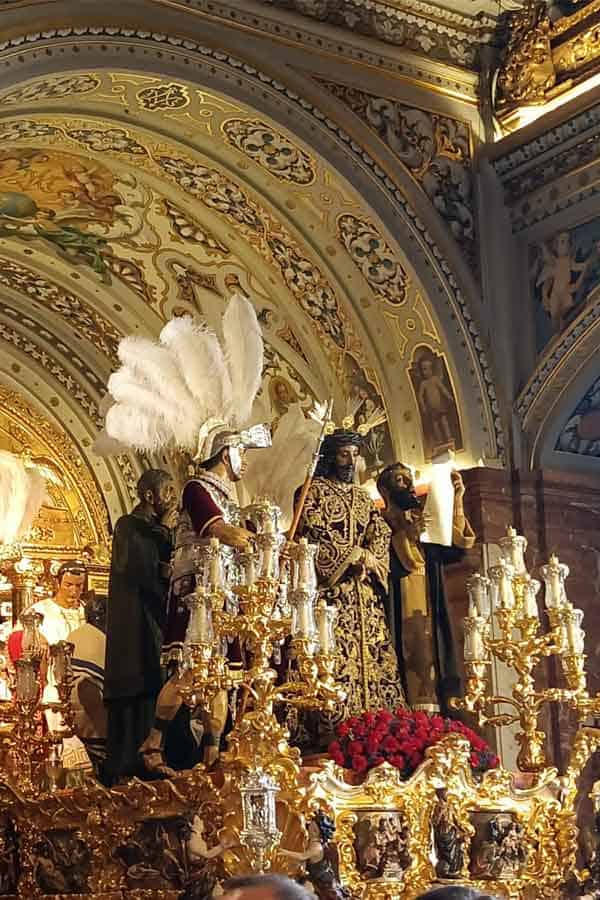
Holy Week, or Semana Santa, in Seville feels difficult to explain until you have seen it in person.
The processions are incredibly emotional, with huge floats carried through the streets by costaleros, lines of nazarenos in pointed hoods, bands, candles, and crowds following them through the city.
Even if you are not religious, it is still a very striking thing to witness.
That said, it really does take over Seville for the week. Streets close, crowds build up fast, and getting around can be a pain, so I would only come during Semana Santa if you actually want to experience the processions rather than just fit in normal sightseeing around them.
30. ÍCÓNICA Festival
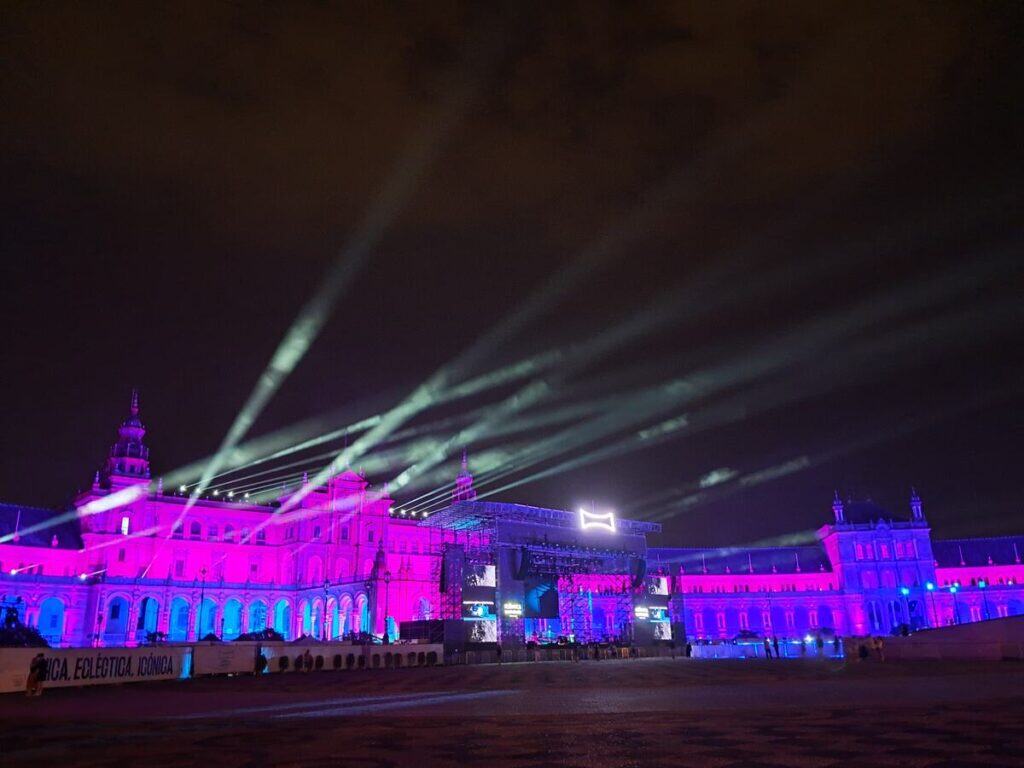
This summer concert series is held right in Plaza de España, which is a pretty ridiculous setting for a gig when you stop and think about it.
The festival runs across June and into July, so if your trip lines up with it, it is worth checking the programme to see who is on.
I would not build a whole trip around it unless you really like the lineup, but if you are already here, it is a very fun extra to add.
31. Festive Season in Seville
Christmas and New Year are a really lovely time to be in Seville, mostly because the city still feels festive without turning into a full-on winter wonderland: FYI, I hate the cold!
You get the lights, nativity scenes, Christmas markets, and all the usual build-up, but the big date in the festive calendar here is really 5th January for the Three Kings Parade, which is a much bigger deal in Spain than Father Christmas ever will be.
If you are in Seville during the festive season, I would absolutely stay through New Year’s Day and King’s Day if you can.
The Cabalgata de Reyes is one of the city’s big annual events, and probably nothing you’ve ever experienced. Expect to get showered with thousands of candies!
What to Do in Seville by Month
The city changes a lot throughout the year, from huge events like Semana Santa and Feria to the full heat of summer and the festive season in winter. Use this chart to figure out what to do in Seville in each month.
| Month | What to Do in Seville |
| January | A good month for quieter sightseeing, long lunches, and churros weather. It’s also when the Three Kings celebrations happen at the start of the month. |
| February | Still fairly quiet, but usually with slightly milder weather. Good for museums, slower city breaks, and wandering without feeling like you’re melting. |
| March | One of the best times to visit. The weather is usually warm enough to enjoy being outside again, but not yet ridiculous. |
| April | This can get very busy because of Semana Santa and often Feria de Abril too, depending on when Easter falls. Amazing atmosphere if that’s what you want, but not the calmest time for a first city break. |
| May | Probably the easiest all-round month for most people. Warm, lively, and ideal for sightseeing before the crazy summer heat kicks in. |
| June | Hot, but still manageable if you plan your days well. It’s also when events like ÍCÓNICA start, which makes the evenings more fun. Note that when the Iconica festival is happneing, there’s a lot of scaffolding and limited access at times to Plaza de España. |
| July | Very hot, so this is when I’d focus more on slower mornings, shady afternoons, and late dinners. Great for summer nights, less great for walking around in the middle of the day. |
| August | Similar story, but even more intense. This is not the month for over-ambitious sightseeing plans. |
| September | Still hot, but usually a bit easier than peak summer. A good month if you want warm evenings without the full force of July and August. |
| October | Another one of the best months to visit. It’s still warm enough to enjoy being outside a lot, but much more comfortable for actually exploring. |
| November | Quieter again, with fewer crowds and a slower feel. Good for food, wandering, and not queueing for everything. |
| December | A lovely time to visit if you want festive lights, nativity scenes, Christmas markets, and all the seasonal build-up without needing full winter gear. |
Seville Bucket List Map & Checklist
If you want to see how all of these places fit together, this interactive Seville bucket list map will make planning your trip much easier.
I’ve pinned everything in this guide so you can work out what’s close together, what to pair on the same day, and what is actually worth saving for later.
Planning Your Seville Itinerary FAQs
How many days do you need in Seville?
Two to three days is enough to see Seville’s main sights, including the Alcázar, Cathedral, Plaza de España, and a flamenco show, without rushing too much. If you want slower time for tapas, Triana, and a few less obvious spots, three full days is the better option.
What are the top things to do in Seville for a first visit?
For a first trip, I’d prioritise the Real Alcázar, Seville Cathedral, La Giralda, Plaza de España, Barrio Santa Cruz, Triana, and a flamenco show. That gives you a good mix of the city’s biggest landmarks, local atmosphere, and a few experiences that feel more distinctly Sevillano.
When is the best time to visit Seville?
The best time to visit Seville is usually spring or early autumn, especially March, May, or October. You get warm weather without the worst of the summer heat, which makes sightseeing much more enjoyable. April is great for atmosphere, but it can be very busy during Semana Santa and Feria.
What should you book in advance in Seville?
I’d book the Real Alcázar in advance first, especially in busy seasons, because tickets do sell out. It’s also worth prebooking popular flamenco shows and anything specific you really want to do, like cooking classes or guided tapas tours, so you are not left with the leftover options.
Is Seville walkable?
Yes, Seville is a very walkable city, especially around the historic centre, Santa Cruz, the Cathedral, and Triana. A lot of the main sights are close enough to explore on foot. Just bear in mind that walking around in summer is much less fun once the afternoon heat kicks in.
Is Seville safe for solo female travellers?
Seville is generally considered a safe city for solo female travellers, especially in the main central areas, but normal city precautions still apply. The biggest issues are usually petty theft and pickpocketing in busy tourist spots. I’ve never had any issues walking through the historic centre late at night, although use the same common sense you would in any city.
Plan Your Own Seville Bucket List
If you’re still figuring out which of these stops deserve a place on your Seville must-see list, I’ve got a few more guides that will help you plan the rest of your trip without disappearing into twelve tabs and complete itinerary chaos.
Take a look at these next:
- 3-Day Seville Itinerary
- What’s Inside the Real Alcázar?
- Is the VIP Exclusive Entry to Alcazar Worth it?
- Best Tapas Tour of Seville
- Vegetarian Tapas Guide to Seville
- Easy Day Trips from Seville
- Nearest Beaches to Seville
Have a question? then don’t forget to join our free Facebook Group and ask the community.
Want to discover more about Spain? then check out these other great articles to find out more.
General Spain Travel
- Ultimate 10 Days In Spain Itinerary
- 2 Week Spain and Portugal Itinerary
- How Many Days Should I Spend in Spain and Portugal?
- 50+ Best Experiences for Your Spanish Bucket List
- 38 Most Famous Landmarks in Spain
- Can You See Morocco From Spain?
Andalucia and South Spain
- Southern Spain Itinerary: Best 7 Days in Andalucia
- Local’s Guide To Seville in 3 Days
- 35+ Top Things To Do In Seville
- 23 Best Day Trips From Seville, Spain
- How to Do A Seville to Cordoba Day Trip
- Where Is the Nearest Beach to Seville?
- How To Spend One Day in Granada
- Best 2 Days in Granada Itinerary
- The Best Cordoba in One Day Itinerary
- 5 Places for the Best Glamping in Spain’s Southern Coast
Barcelona
- 32 Best Things to Do in Barcelona, Spain
- Barcelona 5 Day Itinerary for First-Time Visitors
- Should You Visit Barcelona or Lisbon?
- Montserrat Day Tour With Tapas and Wine From Barcelona
Madrid And Surrounding Area
- Is Madrid Worth Visiting?
- 28 Best Things to Do in Madrid, Spain
- Best Madrid 2 Day Itinerary By A Local!
- 30 Things to Do In Winter in Madrid
- Madrid vs Lisbon Comparison Guide
- How to Visit Segovia From Madrid in a Day
- A Day Trip to Toledo from Madrid
Basque Country and North Spain
- An Epic 5 Days Road Trip in Aragón Itinerary
- 15 Best Things to Do in Aragon, Spain
- Is Zaragoza Worth Visiting? Everything You Need To Know
- The Best Things to See in Zaragoza, Spain
- Is San Sebastian Worth Visiting? The Pros and Cons
- San Sebastian Food Tour Review With Devour Tours
- Is Bilbao Worth Visiting? 12 Reasons To Visit Bilbao