
How to Spend a Month in Thailand: Best 1 Month in Thailand Itinerary
Planning to spend a month in Thailand? You lucky thing!
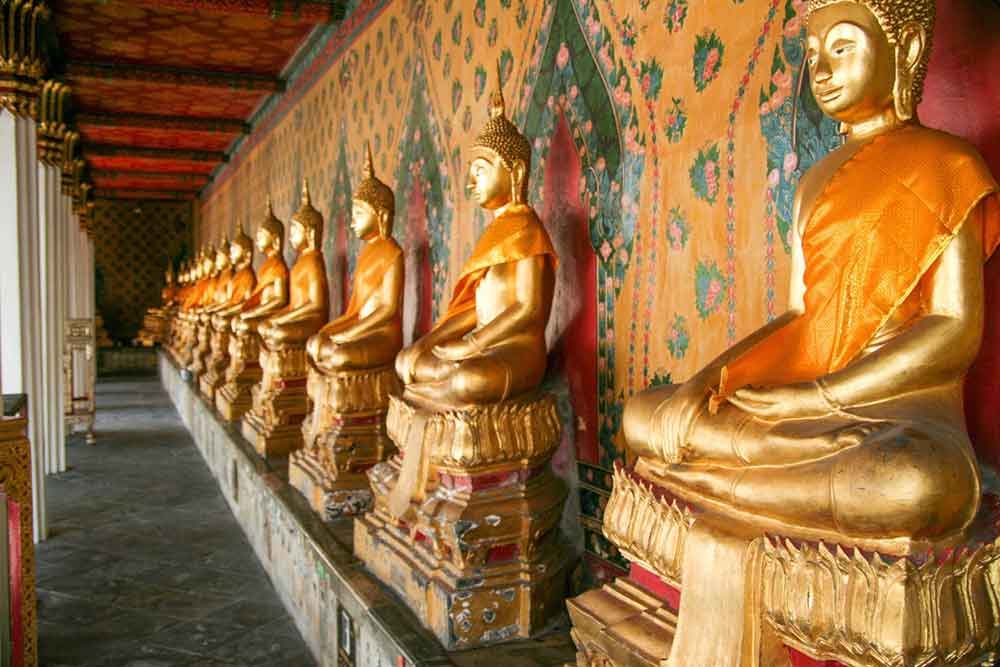
This 1 month in Thailand itinerary starts in the bustling capital of Bangkok, from there you’ll get to explore iconic ancient ruins, visit vibrant markets, ornate temples, and indulge in delicious street food, visit the jungles and idyllic islands. It covers the north, the south and everything in between giving you a decent taste of the country.
This Thailand travel itinerary 4 weeks guide is based on my various trips to the country – I’ve put all the best bits together for you in this article.
Get ready to take on a multitude of experiences to make your month-long adventure a truly unforgettable one. Let’s go!
Meet Me In Departures contains affiliate links and is a member of the Amazon Services LLC Associates Program. If you make a purchase using one of these links, we may receive compensation at no extra cost to you. See our Disclosure Policy for more information.
The Ultimate Guide to a Month in Thailand
Welcome to the ultimate one month in Thailand itinerary!
Whether you’re searching for a complete backpacking in Thailand itinerary, or living the nomadic live as a digital Nomad this guide is crafted especially for you!
Here’s a general breakdown of what one month in the Land of Smiles — Thailand – looks like!
1 Month Thailand Itinerary Overview
- Day 1 – 4: Bangkok
- Day 5 – 6: Ayuthaya
- Day 7 – 8: Sukhothai
- Day 9 – 15: Chiang Rai and Chiang Mai
- Day 16 – 20: Phuket and Island Hopping
- Day 21 – 23: Railay Beach
- Day 24- 29: Koh Samui and Island Hopping
- Day 30: Bangkok
One Month in Thailand Itinerary – Know Before You Go
Before you begin your 30 days in Thailand journey, let me share some useful information to make your travel planning easier.
Getting to Thailand
This Thailand itinerary 1 month guide starts from Bangkok. If you’re starting from somewhere else, then tweak this guide to work with your plans.
Most people arrive in Thailand at Bangkok’s Suvarnabhumi Airport (BKK), which is the main international gateway to the country. Numerous airlines offer direct flights here from major cities worldwide.
When you arrive, you’ll have several options to get to the city centre. You could use taxis and ride-hailing services or book a VIP meet-and-greet service as a hassle-free way to get to your accommodation.
Every time I’ve visited, I’ve opted for the Airport Rail Link. It’s the most convenient service connecting the airport to the city centre.
Getting Around Thailand
Thailand is well set up for getting around the country quickly and efficiently. To get around during your 1-month Thailand itinerary here are my suggestions.
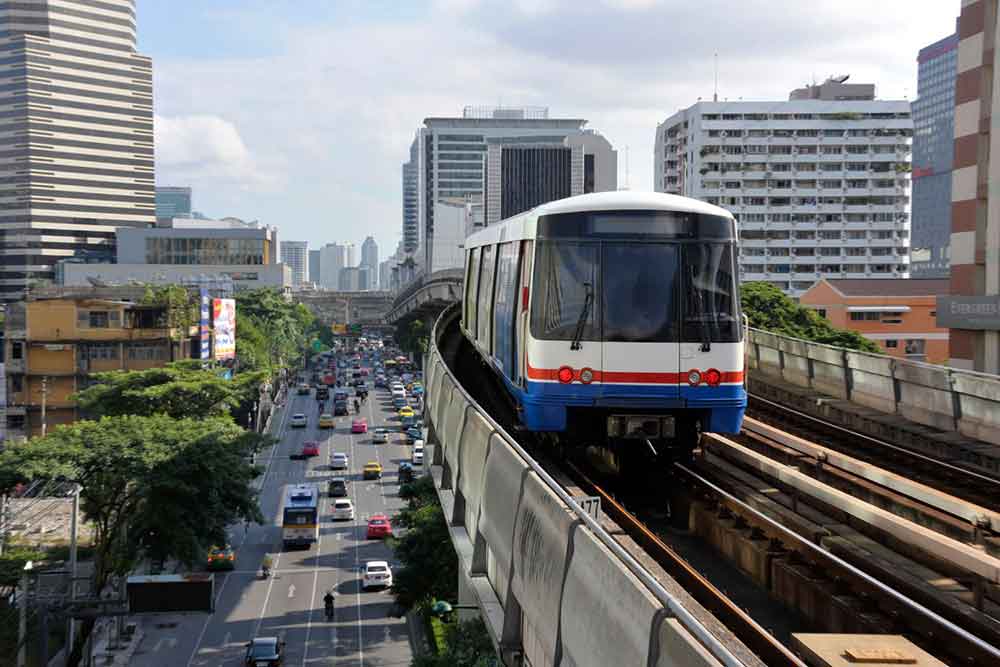
👉 In Bangkok, use the BTS Skytrain and Metro (MRT) to navigate the city efficiently – I also made use of the boat taxis.
👉 In cities like Ayutthaya, Sukhothai, Chiang Mai, and Chiang Rai, renting bicycles or mopeds are a great way to explore at your own pace. I hired a tuktuk and driver to get around Ayutthaya in the early morning to beat the crowds.
👉 To hop between islands, use the ferries. These range from small wooden power boats to larger commercial vessels for longer distances.
👉 For long distances, I used a mix of flights and trains, depending on where I was going. Both options were affordable.
Best Time to Visit Thailand
The best time to spend a month in Thailand is during the cool and dry season, which typically spans from November to February.
Temperatures are more pleasant and there’s minimal rainfall, making it ideal for exploring the country’s diverse landscapes, enjoying outdoor activities, and immersing yourself in its vibrant culture – basically ticking everything off your Thailand bucket list!
Related Article: Does It Snow in Thailand?
Do You Need a Visa for 1 Month in Thailand?
For a 1-month in Thailand visit, most nationalities can enter without a visa and stay up to 30 days under the visa exemption rule.
However, if you plan to stay longer, you may need to apply for a tourist visa, which allows an initial stay of 60 days and must be used within 90 days from the date of issue.
Thailand One Month Itinerary
A month in Thailand is enough time to explore all the beautiful sites the country has to offer.
Thailand is a great country for digital nomads. There are plenty of workstation places in Thailand. If you’re combining work and travel, then switch up the places I mention in this month-long itinerary to 5 or 6 weeks in Thailand trip instead.
Here is my itinerary suggestion for a month-long Thai adventure:
Day 1 – 4: Bangkok
Start your one month Thailand itinerary in Bangkok. Spend the first four days exploring the city’s vibrant culture, history, and architecture.
Spend a couple of days exploring the best temples in the city such as Wat Phra Kaew, Grand Palace, and Wat Arun; don’t miss an evening at the vibrant Khao San Road; and enjoy some of the delicious local cuisines.
Visit Bangkok’s Chinatown and eat your way around the weird and wonderful dishes served up here. Then head out to Chatuchak Weekend Market – the biggest weekend market in the world!
Take a day trip just outside the city including the Damnoen Floating Markets or Death Valley Railway.
Getting Around Bangkok
Getting around Bangkok is easy. The cheapest option is the BTS Skytrain and MRT Metro. Both offer extensive coverage throughout the city, I also recommend using the water taxis as an alternative way to get between locations.
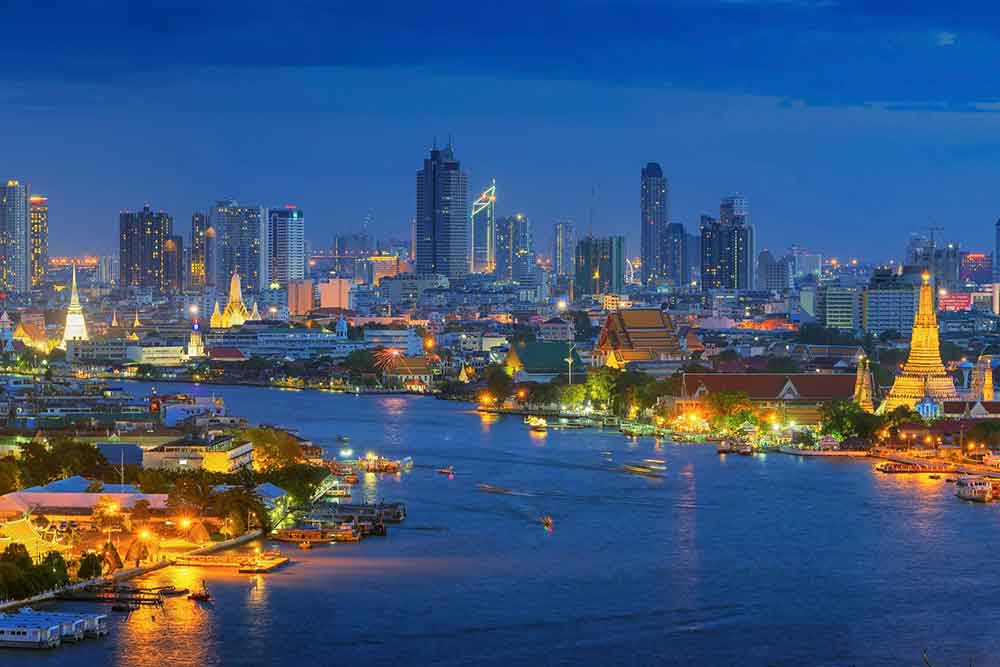
Tuk-tuks are fun, and a bit of a gimick. They are fine for short trips but can be expensive, so metered taxis or motorbike taxis are better alternatives. Exploring the riverside attractions is convenient with the Chao Phraya River ferry.
Where to Stay in Bangkok
There are plenty of options when it comes to choosing where to stay in Bangkok. Here are my suggestions:
⭐️⭐️⭐️⭐️⭐️
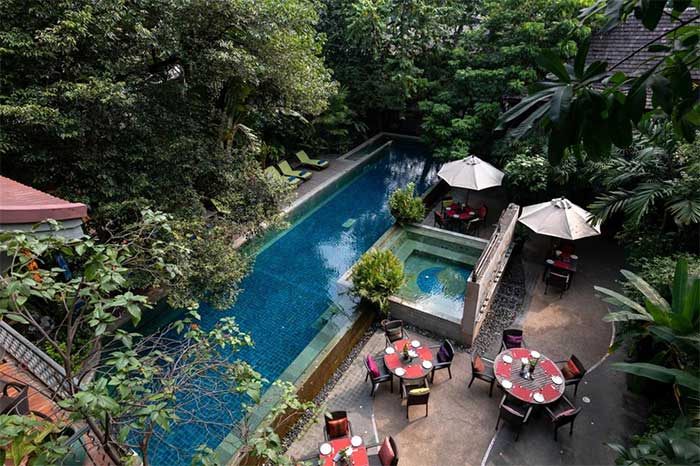
Ariyasom Villa Bangkok
✅Swimming pool in a garden oasis
✅ Great location at Sukhumvit Road
✅ Spacious rooms with traditional Thai decor
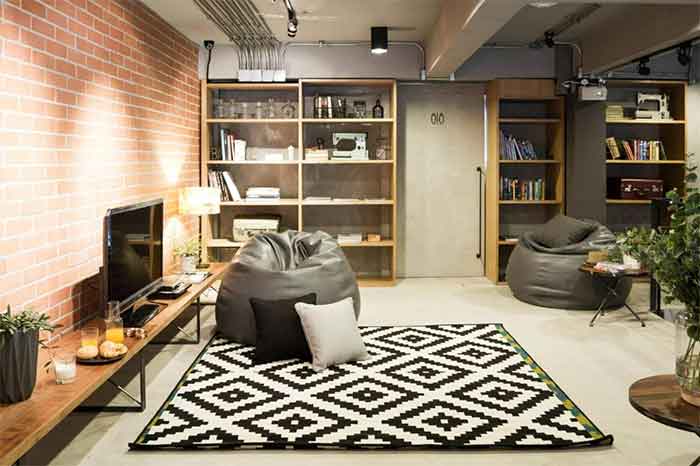
Bed Station Hostel
✅ Great location near to BTS Station
✅ Dorm or private room options
✅ Onsite bar and space to socialise
What To See In Bangkok
- Grand Palace: A magnificent complex of buildings that has served as the official residence of the Kings of Thailand since the 18th century. There are strict dress rules for visiting Thai temples. They are strict here, and if you’re not dressed properly, you won’t be able to go in.
- Wat Phra Kaew: Known as the Temple of the Emerald Buddha, it is considered the most sacred Buddhist temple in Thailand.
- Wat Pho (The Temple of the Reclining Buddha): This is my favourite temple in Bangkok. It was built in the 16th century, Wat Pho is one of the oldest and largest temples in Bangkok. This temple complex is home to a magnificent golden statue of a reclining Buddha, which measures 46 meters!
- Wat Arun: Also called the Temple of Dawn, this beautiful temple is known for its stunning riverside location and intricate design. At first glance, I thought it looked a little like the iconic Angkor Wat in Cambodia.
- Chatuchak Weekend Market: One of the world’s largest weekend markets where you can shop for everything from clothing to antiques.
- Khao San Road: A popular backpacker hub, known for its vibrant nightlife and an eclectic mix of street food stalls.
- Chinatown: A bustling neighbourhood filled with street food, gold shops, and vibrant night markets.
- Damnoen Floating Markets: Offering a unique shopping experience, these markets are filled with boats laden with fresh produce and local food.
- Jim Thompson House: A lovely museum that showcases the art and antiques collection of American businessman and architect Jim Thompson.
- Death Valley Railway: A historic railway line that was once used during World War II and is now a popular tourist attraction.
- Chao Phraya River Cruise: A scenic boat ride that offers a different perspective of Bangkok’s landmarks.
Read Next: 29 Best Things to Do in Bangkok
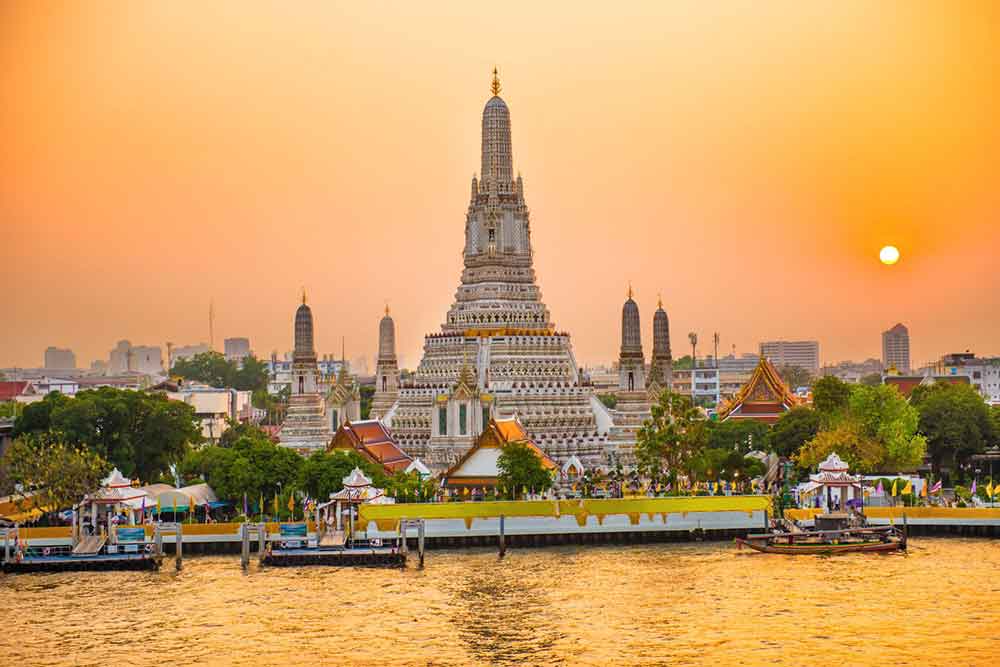
Day 5 – 6: Ayuthaya
Take an early train from Bangkok and travel to Ayutthaya. Spend two days exploring its fascinating ancient ruins. I recommend taking the train to get there – it’s about an hour’s scenic journey north of Bangkok.
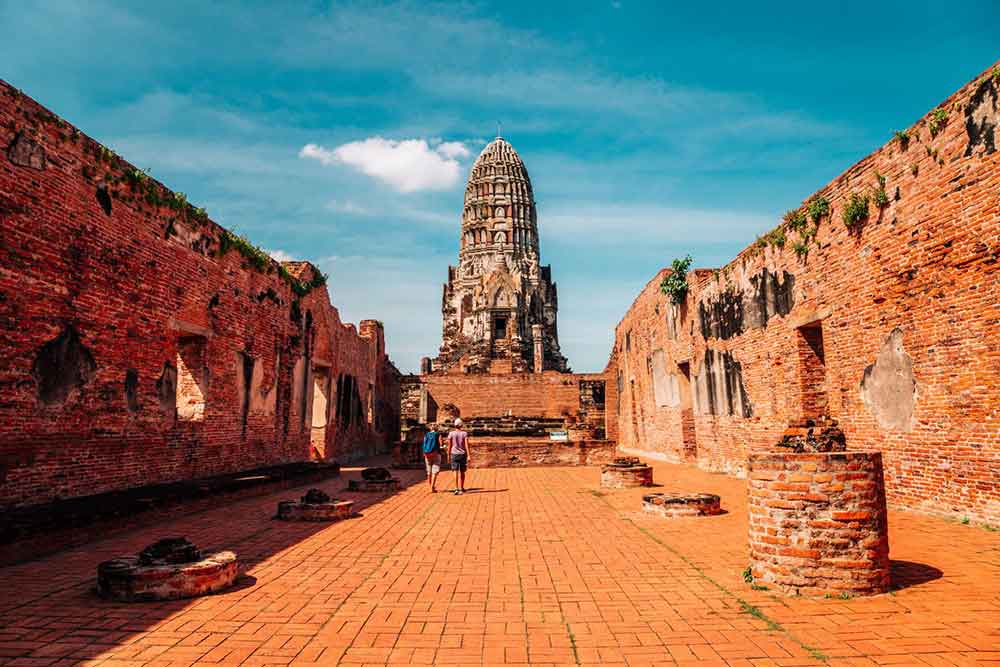
Spend a couple of days enjoying the beautiful ancient ruins Wat Ratchaburana, Wat Mahathat, and several historic palaces and monuments that make up this UNESCO World Heritage site.
Getting Around Ayutthaya
To explore Ayutthaya, walking is fine for a few ruins, but for the best experience, I recommend hiring a bike, a scooter, or a tuk-tuk with a driver.
Cycling is one option – the terrain here is flat. Scooters are another option and a quicker and less sweaty option compared to cyclin under the hot sun! Tuk-tuks are ideal for quick and hassle-free temple visits, although they can be more expensive.
Where to Stay in Ayutthaya
There are plenty of opinions in Ayutthaya for every budget. I suggest staying close to the town centre making it easier to visit the ruin sites. Here are my suggestions:
⭐️⭐️⭐️⭐️⭐️
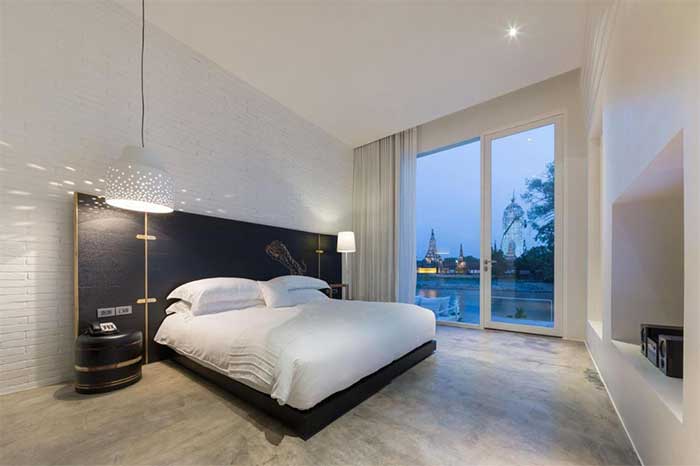
Sala Ayutthaya
✅ Riverside views over Ayutthaya Archaeological Park
✅ Spacious modern design
✅ Well-located luxury boutique hotel
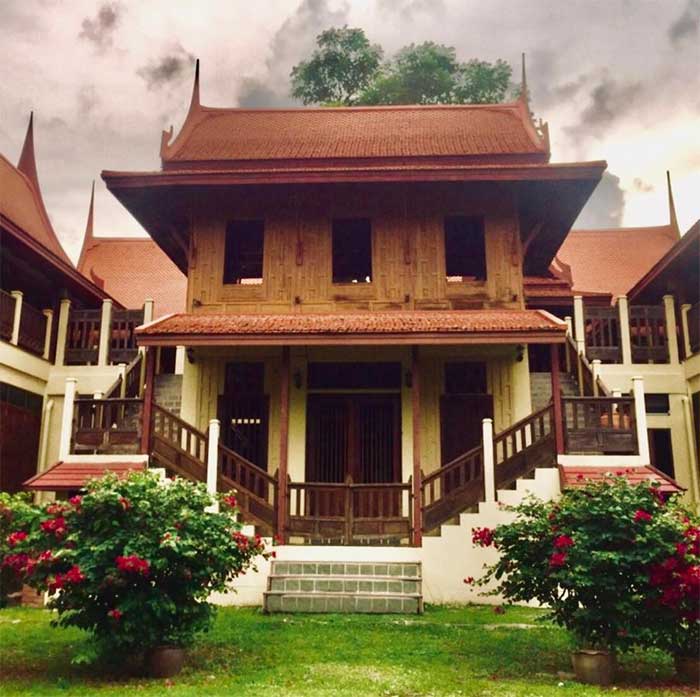
Luang Chumni Village
✅ Great location close to the Archaeological Park
✅ Traditional Thai decor
✅ Comfortable rooms
What To See In Ayutthaya
- Wat Ratchaburana: A 15th century iconic temple is known for its towering sprang (Khmer-style tower) and impressive Buddha statues. The temple was built to house the ashes of two royal brothers who killed each other in a duel.
- Wat Mahathat: This temple is famous for its Buddha head entwined in the roots of a Bodhi tree. It is believed to have been decapitated during an invasion and the tree grew around it.
- Wat Phra Sri Sanphet: One of the oldest and most important temples in Ayutthaya, Wat Phra Sri Sanphet was once part of the royal palace complex. It features three large chedis (stupas) that contain relics of past kings.
- Wat Lokaya Sutharam: This temple is home to one of the largest reclining Buddha statues in Thailand, measuring 42 meters long and 8 meters high. It is also believed to be the oldest temple in Ayutthaya.
- Wat Chaiwattanaram: Located on the banks of the Chao Phraya River, this temple is known for its stunning Khmer-style architecture and beautiful views. It was built as a royal cremation site for members of the royal family.
Day 7 – 8: Sukhothai
Catch a train from Ayutthaya to Sukhothai Ruins for another two days of exploration. This ancient former capital is home to an impressive collection of Buddhist temples, monuments, and sculptures set amidst beautiful countryside scenery.
Getting Around Sukhothai
If you’re staying near the Sukhothai Historical Park, you can easily explore most of the attractions on foot.
However, there are a few sites located further away, so I rented a bicycle to reach these. There are a few moderate hills outside of the main town, but the majority of the area is fairly flat.
Where to Stay in Sukhothai
For the Sukhothai leg of your journey, I recommend choosing accommodation that’s located near the Sukhothai Historical Park. Here are two options to consider:
⭐️⭐️⭐️⭐️⭐️
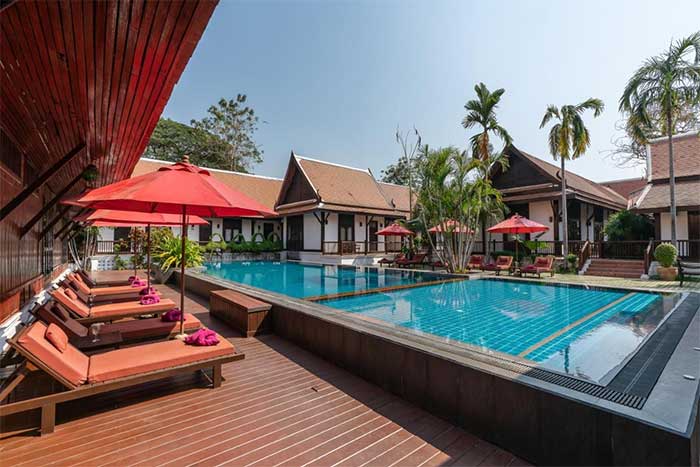
Legendha Sukhothai Hotel
✅ Swimming pool and landscaped gardens
✅ Private balconies overlooking temples, the river or gardens
✅ Traditional Thai decor
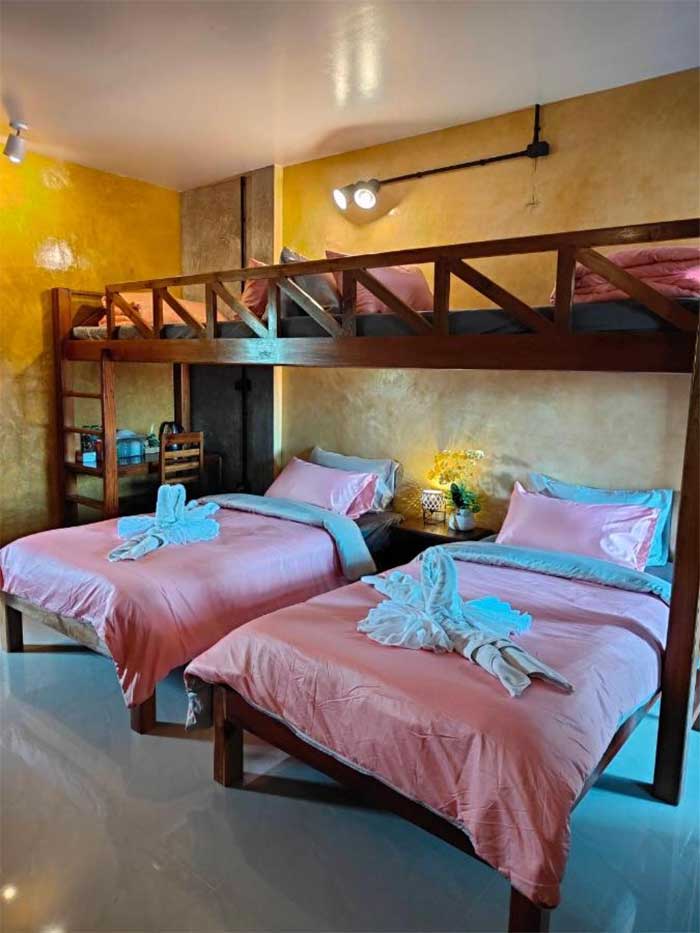
Smilingface Guest House
✅ Close to Sukhothai Archaeological Park
✅ Rooms come with a patio and garden view
✅ A delicious breakfast is included
What to see in Sukhothai
- Wat Mahathat: The largest temple in Sukhothai, known for its lotus-bud chedi, large seated Buddha statue, and the eight smaller stupas surrounding it, each representing a different stage in Buddha’s life.
- Wat Sa Si: A small temple located on an island within the old city walls of Sukhothai. It is known for its peaceful and serene atmosphere, as well as its beautiful views of the surrounding countryside.
- Wat Traphang Ngoen: This temple is famous for its large standing Buddha statue, which is believed to be one of the most beautiful in all of Thailand. It is also home to a 600-year-old bronze bell that still rings every evening.
- Wat Chang Lom: This temple is known for its unique architecture, featuring 32 elephant sculptures surrounding the base of its chedi.
- Wat Saphan Hin: Located outside of the old city walls, this temple is known for its large Buddha statue atop a hill, offering stunning views of the surrounding area.
- Wat Si Chum: Famous for its monumental seated Buddha image, known as “Phra Achana”, that reaches 15 meters in height. It’s a unique site where you can walk up behind the Buddha statue.

Day 9 – 15: Chiang Mai and Chiang Rai
Leave Sukhotai early and travel by train to Chiang Mai – the biggest of the two cities and spend a few days exploring the north of Thailand.
Although you could spend a couple of nights in each place, it will mean more unpacking and repacking. I suggest basing yourself in Chiang Mai and then either doing a day trip or hiring a scooter to visit Chiang Rai.
The northern part of Thailand has some of the most beautiful landscapes in the country. Think lush mountain valleys, national parks filled with rare wildlife, hill tribes villages, hot springs, waterfalls, caves and so much more!
Getting Around Chiang Rai and Chiang Mai
Explore Chiang Rai and Chiang Mai on foot within the towns. To travel between the towns, take a bus or join a day tour from Chiang Mai.
For a more adventurous option, rent a moped or hire a taxi and driver for a day.
Where to Stay in Chiang Mai
There are a lot of choices for accommodation in Chiang Mai. I recommend staying somewhere central so you can walk to the attractions easily.

⭐️⭐️⭐️⭐️⭐️
Rachamankha Hotel
✅ Swimming pool
✅ Great location within Chian Mai’s Old City Walls
✅ Moden decor with traditional elements
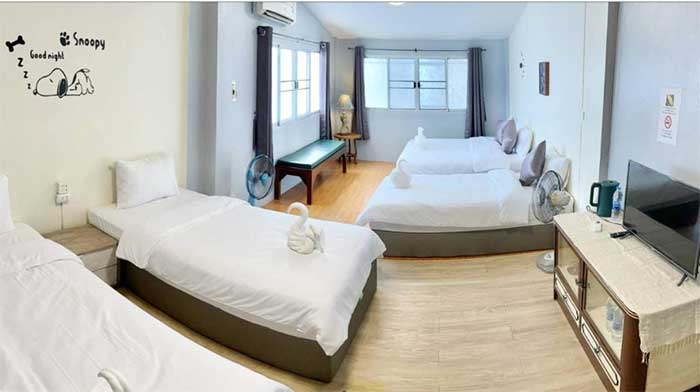
Hooman Hostel
✅ Great location
✅ Share kitchen and social areas
✅ Each room has a private bathroom
What to see in Chiang Mai Old Town
- Wat Chiang Man: The oldest temple in Chiang Mai, known for its stunning architecture and two important Buddha statues: the crystal Phra Satang Man and the marble Phra Sila.
- Wat Phra Singh: This temple is considered one of the most important in Chiang Mai, known for its gold-plated chedi and beautiful murals depicting the life of Buddha.
- Wat Si Suphan: Also known as the Silver Temple, this unique temple is covered in silver and features intricate details and designs. It’s a must-visit for its stunning craftsmanship.
- Sunday Walking Street Market: Every Sunday evening, the streets of Old Town come alive with this bustling market, featuring local handicrafts, street food, and live performances.
- Tha Pae Gate: The most famous landmark in Chiang Mai, it’s a great place for photo ops and is the centre of many festivals in the city.
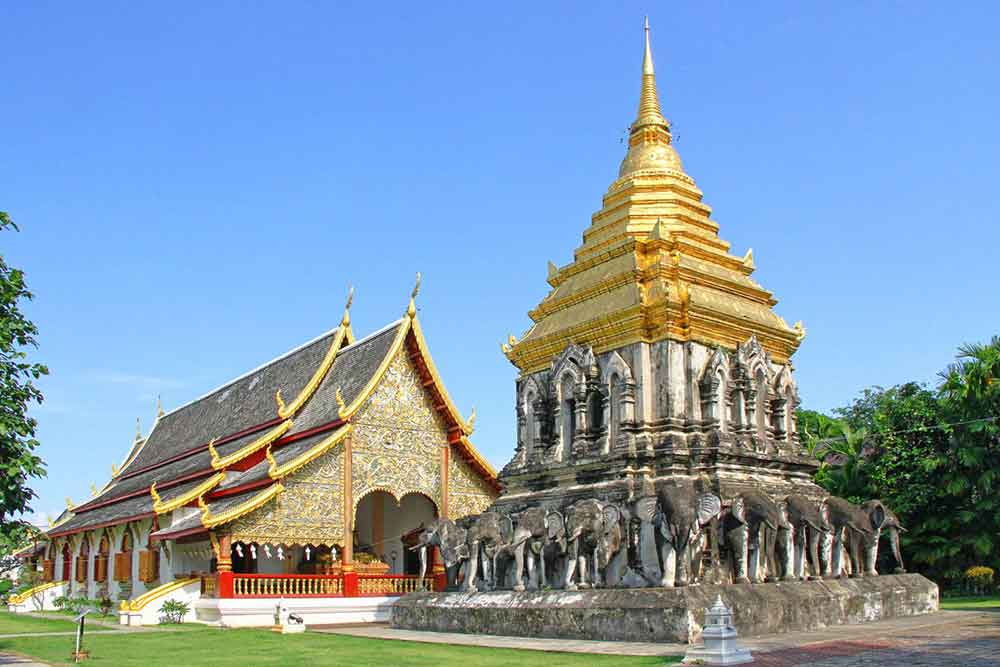
- Wat Chedi Luang: Home to an enormous pagoda, which was the tallest structure in Chiang Mai when it was built in the 14th century.
What To Do Around Chiang Mai
- Doi Suthep-Pui National Park: This natural attraction is home to the famous Wat Phra That Doi Suthep and offers stunning views of Chiang Mai. It’s perfect for hiking, bird watching, and exploring waterfalls.
- Elephant Nature Park: Here, you can interact with elephants responsibly and ethically. It’s a unique opportunity to learn about these majestic creatures.
Adventure Sports in Chiang Mai
There’s an abundance of adventure sports in Chiang Mai to satisfy the adrenalin junkie in you.
Some of the most popular action tours near Chiang Mai include:
- White water rafting
- Kayaking
- ATV expeditions
- Mountain biking
- Zipline
What to see in Chiang Rai
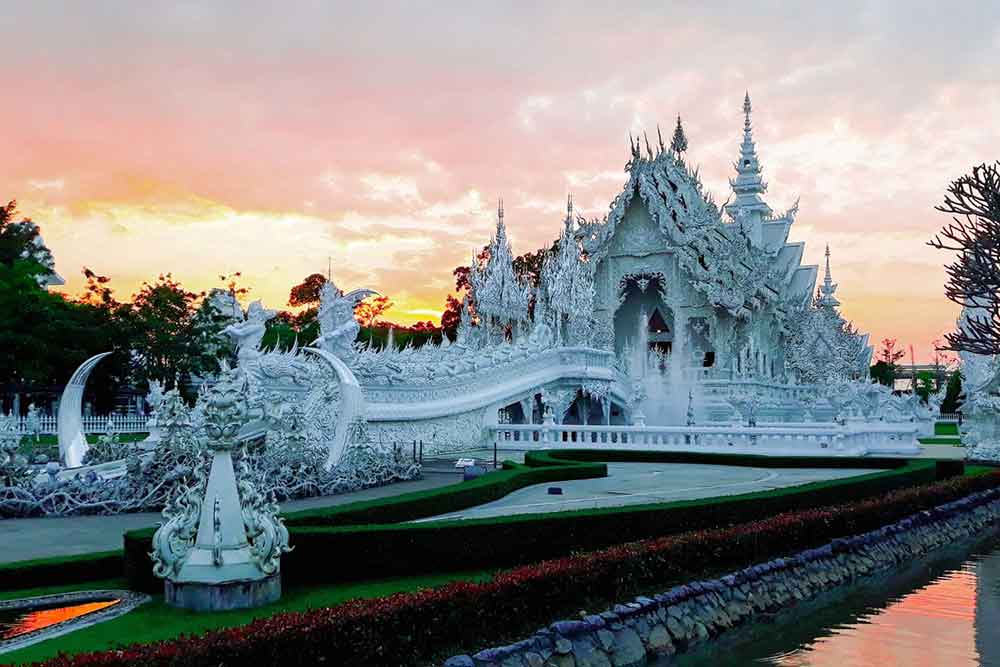
- Wat Rong Khun – The White Temple: A contemporary, unconventional, privately-owned art exhibit in the style of a Buddhist temple.
- Blue Temple (Wat Rong Suea Ten): This modern temple stands out with its vivid blue colouring and intricate carvings.
- Baandam Museum: Also known as the Black House, it’s a collection of houses showcasing the unique work of Thai artist Thawan Duchanee.
- Golden Triangle: This famous landmark is where the borders of Thailand, Laos, and Myanmar meet at the confluence of the Ruak and Mekong rivers.
- Tribe Villages: Visit the various hill tribe villages of Chiang Rai, these include the Akha, Hmong, and Karen people. Learn about their culture, traditions, and way of life.
Day 16 – 20: Phuket and Island Hopping
You’re just over halfway through your Thailand 1 month itinerary. You’ve seen lots of cultural stuff so far, so now it’s time to hit the islands and beaches of Phuket (pronounced 💩-ket).
Take a flight from Chiang Mai to Phuket for a few days of island-hopping fun.
Spend time swimming in turquoise waters; snorkelling through coral reefs; visiting beautiful beach towns like Patong; or heading out on an exhilarating speed boat tour around the Phi Phi Islands or Similan Islands.
Related Article: How To Properly Pronounce Phuket (And Other Thai Words)
Getting Around Phuket
Getting around Phuket is easy with options like renting a moped, taking local buses, or joining organised tours. I used a mix of all three options.
Where to Stay in Phuket
Here are my recommendations for choosing accommodation in Phuket.

⭐️⭐️⭐️⭐️⭐️
Casa Blanca
✅ Great location in Phuket Old Town
✅ Private balcony and garden views
✅ Outdoor swimming pool

Phuket Old Town Hostel
✅ Located in a historic building in the Old Town
✅ Choice of private or dorm rooms
✅ Shared lounge area and tour desk
What to see in Phuket
- Phuket Old Town: Explore the charming streets and Sino-Portuguese architecture of this historic town, full of colourful shops, cafes, and galleries. – I loved this area for the stunning murals.
- Wat Chalong: The largest and most revered temple in Phuket, it’s a significant symbol of the island’s culture.
- Patong Beach: Known for its vibrant nightlife and water sports – it’s popular with tourists which is why I’ve included it, however, I didn’t enjoy the vibe here – it was way too commercial for my liking.
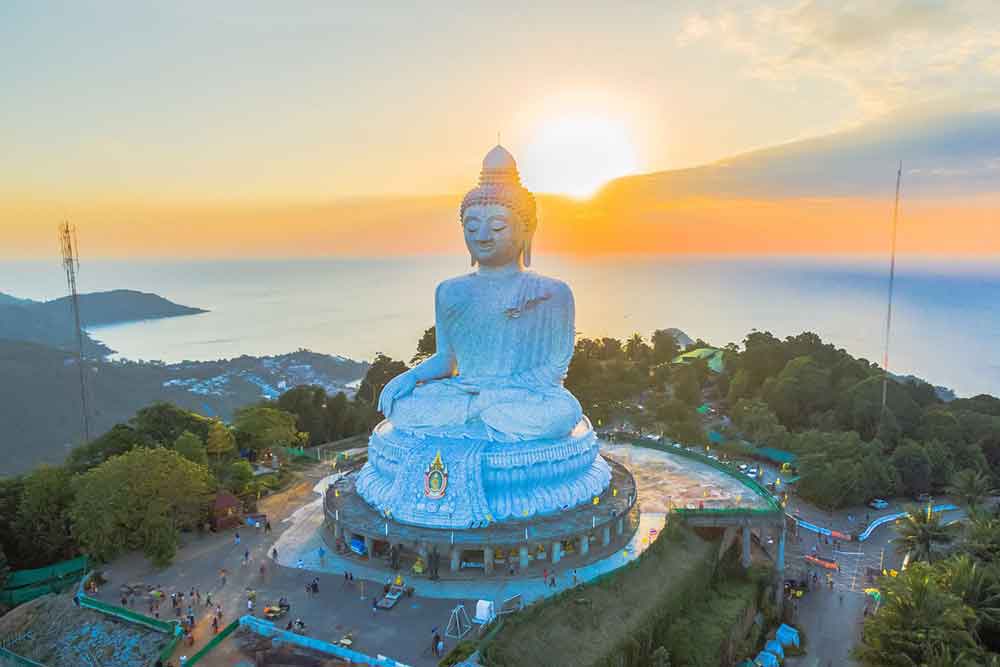
- Big Buddha: At 45 meters high, this grand statue offers a panoramic view of Phuket.
- Freedom Beach: A secluded beach with crystal clear water and white sand, perfect for a peaceful day in the sun.
- Phuket Weekend Night Market: A bustling market where you can find a variety of goods, from local Thai food to handmade crafts and clothing.
- Promthep Cape: The island’s most famous viewpoint, it offers stunning sunsets and panoramic views of the Andaman Sea.
Island Hopping Around Phuket
Island hopping in Thailand allows you to explore a diverse range of beautiful islands and their unique offerings.
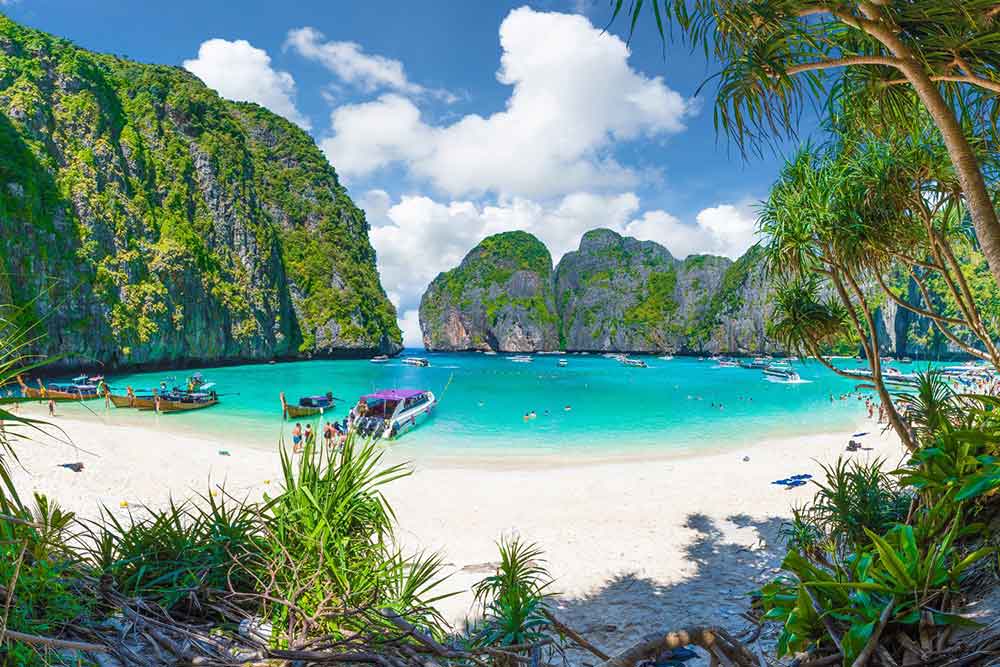
- Phi Phi Islands: A must-visit for their turquoise waters, stunning cliffs, and vibrant marine life. Maya Bay, made famous by the movie “The Beach,” is a popular stop.
- Similan Islands: Known for some of the best dive spots in the world, these islands offer clear waters filled with a rich variety of marine life and beautiful coral reefs.
- Phang Nga Bay: Famous for its limestone karsts jutting out of emerald-green waters. Don’t miss the chance to visit James Bond Island, named after its appearance in “The Man with the Golden Gun.”
- Maya Bay: Made famous by the movie “The Beach,” it’s a stunning bay surrounded by limestone cliffs and crystal clear water. However, due to over-tourism, access is now limited.
- Racha Islands: Excellent for snorkelling, the crystal-clear waters and coral reefs of these islands are teeming with marine life.
- Koh Yao Noi and Koh Yao Yai: These quieter islands offer a peek into traditional local life, with lush landscapes, peaceful beaches, and warm, welcoming locals.
Day 21 – 23: Railay Beach
Catch the ferry from Phuket over to Railay. Make the most of the adventure sports scene in Thailand. Rock climb, rappel, kayak, and more!
Getting Around Railay Beach
Getting around Railay Beach is easy – the entire area is compact and can be explored on foot.
There are no cars or motorbikes, so walking is pretty much your only way to get about. The pathways are well-marked so you can easily navigate between the beach, accommodation and restaurants.
Where to Stay in Railay Beach
These are two great options for where to stay at Railay Beach.

⭐️⭐️⭐️⭐️⭐️
Railay Phutawan Resort
✅ Swimming pool with ocean views
✅ Set amongst green cliffs and tropical forest
✅ Rooms are decorated with traditional Thai furniture

Rapala Rock Wood Resort
✅ Onsite restaurant serving traditional Thai food
✅ Ocean views and close to beaches
✅ Large comfortable rooms with rustic decor
Things To Do In Railay Beach
Railay Beach offers a range of exciting activities and natural wonders that make it a popular destination for travellers.
- Phra Nang Cave Beach: Known for its beautiful sandy beach and clear waters, it also houses the famous Princess Cave, an interesting feature with a unique history.
- Rock Climbing: Railay Beach is renowned worldwide for its rock-climbing spots. It doesn’t matter if you’re a beginner or an expert climber; there are routes for all skill levels.
- Sea Kayaking: Experience the tranquillity and beauty of the bay on a sea kayak. It’s a great way to explore the surrounding limestone caves and hidden lagoons.
- Viewpoint and Lagoon Hike: A challenging but rewarding hike that takes you to a stunning viewpoint and a hidden lagoon.
- Sunset viewing at West Railay Beach: The beach is known for its breathtaking sunsets. Grab a cocktail from one of the beach bars and enjoy the spectacular display of colours.
- Fire Show at Last Bar: After the sun sets, head to Last Bar for its famous fire shows, where performers dazzle the crowd with flaming ropes and hoops.

Day 24- 29: Samui and Island Hopping
Take a minivan from nearby Krabi to Surat Thani. Catch a ferry to Ko Samui for a few days of island hopping extravaganza and if you’re up for it – the famous full moon party!
Enjoy the tropical paradise of Samui’s beaches including Lamai Beach which has plenty of restaurants for late-night entertainment or peaceful Bophut Beach with its charming Fisherman’s Village atmosphere.
Go hiking up Khao Sok National Park for gorgeous views over its rainforest canopies; relax on nearby Ang Thong National Marine Park with white sand beaches fringed by turquoise waters; or explore Koh Tao – one of Thailand’s most popular islands for diving enthusiasts.
Getting Around Koh Samui
Getting around Koh Samui is easy with taxis, songthaews (shared pickup trucks), and scooter rentals available.
Public buses and minibuses are also affordable transportation choices although check the timetables and routes/drop-off points before you set off to make sure you’re not stranded.
Where to Stay in Koh Samui
Here are my recommendations for the best accommodation in Koh Samui.

⭐️⭐️⭐️⭐️⭐️
Melia Koh Samui
✅ Exceptional swimming pool
✅ Range of luxury suites
✅ Voted as one of Thailand’s top resorts according to Conde Nast Traveller

Lamai Bayview Boutique Resort
✅ Beach front views from private terrace
✅ Shared kitchen facilities
✅ Outdoor pool
Things To Do In Koh Samui
- Big Buddha Temple (Wat Phra Yai): Dominating the Northeastern part of the island, this 12-meter-tall golden statue is a must-see.
- Secret Buddha Garden: Nestled in Koh Samui’s hills, this beautiful garden features dozens of statues and offers stunning views.
- Namuang Waterfall: Offering two beautiful waterfalls, it’s a perfect spot for a refreshing swim amidst the tropical jungle.
- Fisherman’s Village in Bophut: This charming village is known for its quaint shops, delicious seafood restaurants, and lively Friday night markets.
- Angthong National Marine Park: A paradisiacal location where you can explore vibrant coral reefs and a rich variety of marine life.
- Hin Ta and Hin Yai Rocks: These fascinating rock formations, also known as the Grandfather and Grandmother rocks, are famous for their unusual shapes.
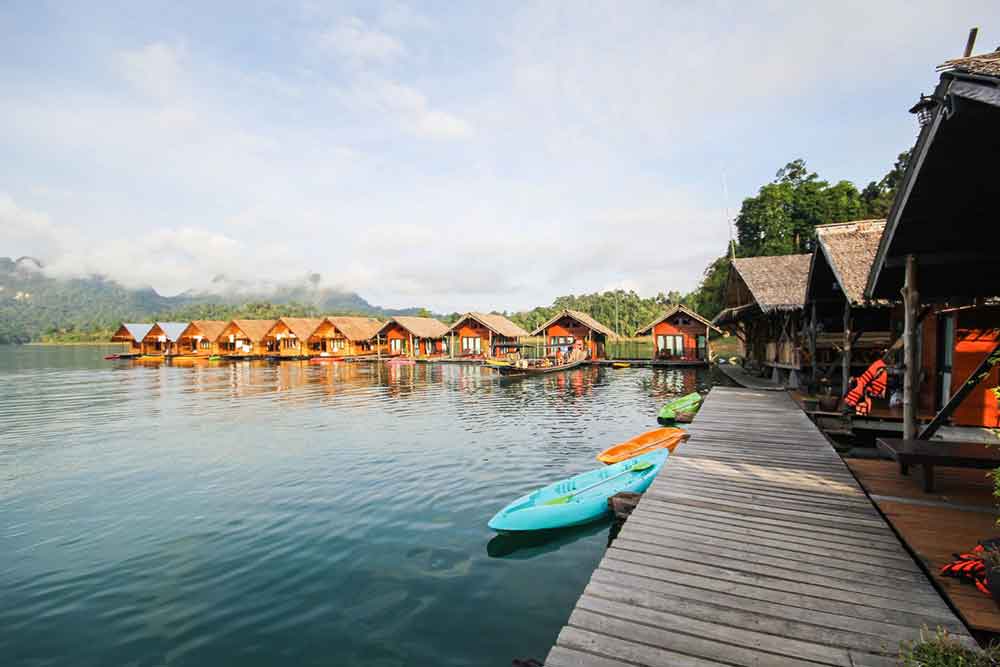
Best Beaches on Ko Samui
Koh Samui is also home to beautiful beaches.
- Chaweng Beach: Known as the most popular beach on Ko Samui, Chaweng offers white sandy shores, crystal clear waters, and a lively nightlife scene.
- Lamai Beach: A bit quieter than Chaweng, Lamai charms with its beautiful sand, swimmable sea, and a selection of beachfront restaurants and bars.
- Bophut Beach: This family-friendly beach is known for its calm waters, making it perfect for swimming and other water sports.
Island Hopping From Ko Samui
Go on an unforgettable island-hopping adventure from Ko Samui, where you can explore several tropical paradises.
- Ko Pha Ngan: Just a short ferry ride away, this island is famous for its Full Moon Parties, stunning beaches, and breathtaking viewpoints.
- Ko Tao: Known as one of the world’s best diving destinations, Ko Tao also offers beautiful hiking trails and idyllic beaches.
- Ang Thong Marine Park: Perfect for a day trip from Koh Samui, this marine park features over 40 small islands, stunning beaches, and hidden lagoons waiting to be explored.
- Koh Tan: A peaceful island just off the coast of Koh Samui, Koh Tan is a great place for snorkelling and enjoying a quiet day at the beach.
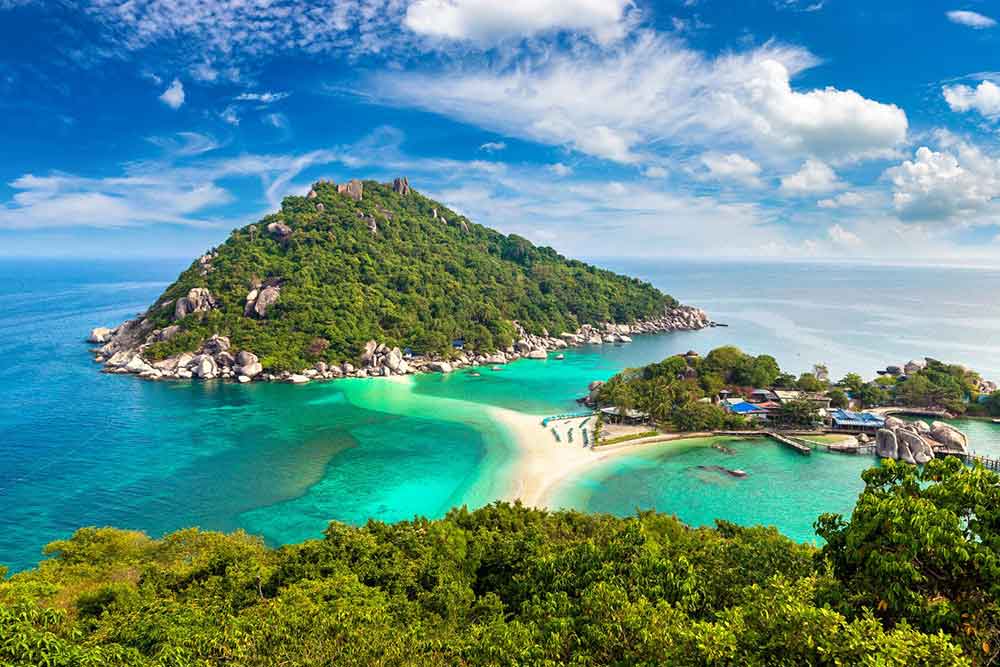
Day 30: Bangkok
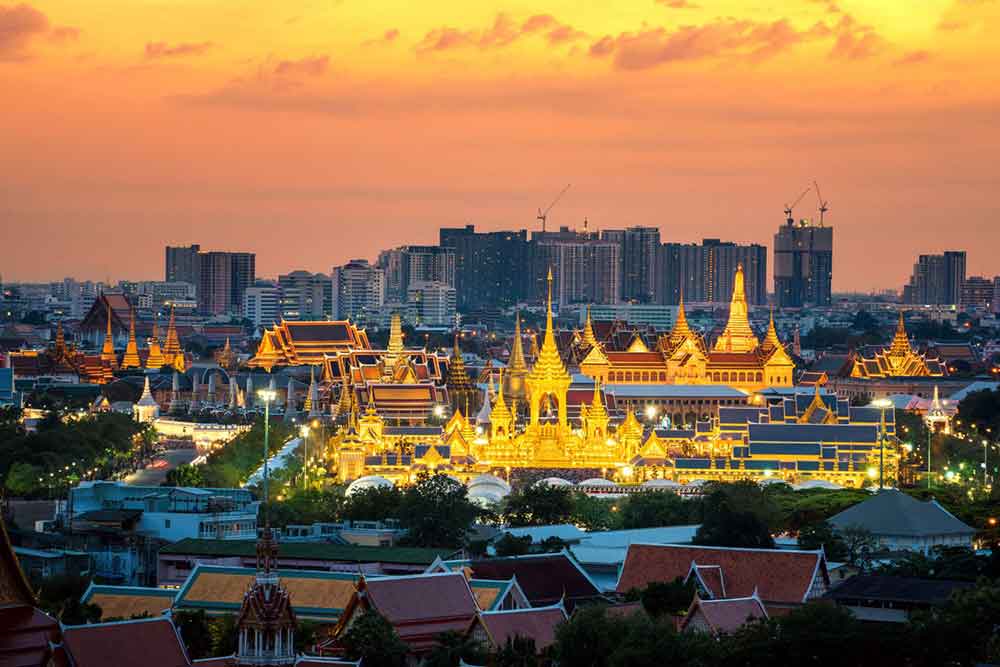
You’ve come to the end of your epic 30 days in Thailand. Head back to Bangkok for your final night or onward travel. Spend the last day taking in the sights and sounds of this bustling city, before flying off with incredible memories of your Thailand adventure!
1 Month in Thailand Itinerary – FAQs
So far this Thailand itinerary 4 weeks guide has given you tons of details about what to see on your trip. This section includes useful travel tips and answers to questions you still might have about planning a month in Thailand.
What Month Is The Cheapest Visit to Thailand?
When planning a Thailand 4-week itinerary, it’s worth considering the month that offers the best value for your trip. May, June, September, and October are generally considered the cheapest months to visit Thailand in terms of flights and accommodations.
How Much Does It Cost to Spend a Month in Thailand?
It’s important to consider various factors when planning your budget for a month in Thailand.
On average, a budget traveller can expect to spend around $1,000 to $1,500 per month, including accommodations, meals, transportation, and activities. However, this can vary depending on your travel style, choice of accommodations, dining preferences, and the activities you do.
Is 1 Month Enough For Thailand?
This Thailand one-month itinerary gives a decent overview of the best things to see in the country. Although you could do a shorter Thailand itinerary, it’s rushed. If you’re able to plan a long trip, then this is definitely the better way to experience the best of Thailand’s diverse offerings at a leisurely pace.
What to Do in Thailand for a Month?
In a 1-month Thailand travel itinerary, start by exploring Bangkok’s grand temples and vibrant markets.
Head to Chiang Mai for elephant sanctuaries and trekking adventures. Discover the stunning islands of Krabi and Phuket, with their pristine beaches and turquoise waters. End your journey in cultural and historical sites like Ayutthaya and Sukhothai.
Indulge in Thai cuisine, visit local markets, and immerse yourself in the rich heritage of the country.
Do I Need a Visa for a Month in Thailand?
For most nationalities, a visa is not required for stays of up to one month in Thailand. This allows you to visit the country for 30 days without a visa.
However, it’s important to check the visa requirements based on your nationality to ensure you meet all the necessary entry regulations.
How’s Your Thailand One Month Itinerary Shaping Up?
There you have it, my detailed guide on what to see during a month in Thailand itinerary. What do you think?
With a diverse mix of vibrant cities, stunning beaches, and cultural gems. Although there is so much more to see in the country, this itinerary allows you to see some of the best places in Thailand in a month.
From exploring bustling markets and ancient temples to relaxing on pristine islands and indulging in delicious Thai cuisine, your month in Thailand is bound to be an incredible adventure.
Get ready to experience the best of the country by following my Thailand one month guide
Looking for more tips on where to visit Thailand, then read more inspirational articles here…