
How to Start Planning Your Trip: Trip Planning 101
A step-by-step travel planning guide for independent travellers.
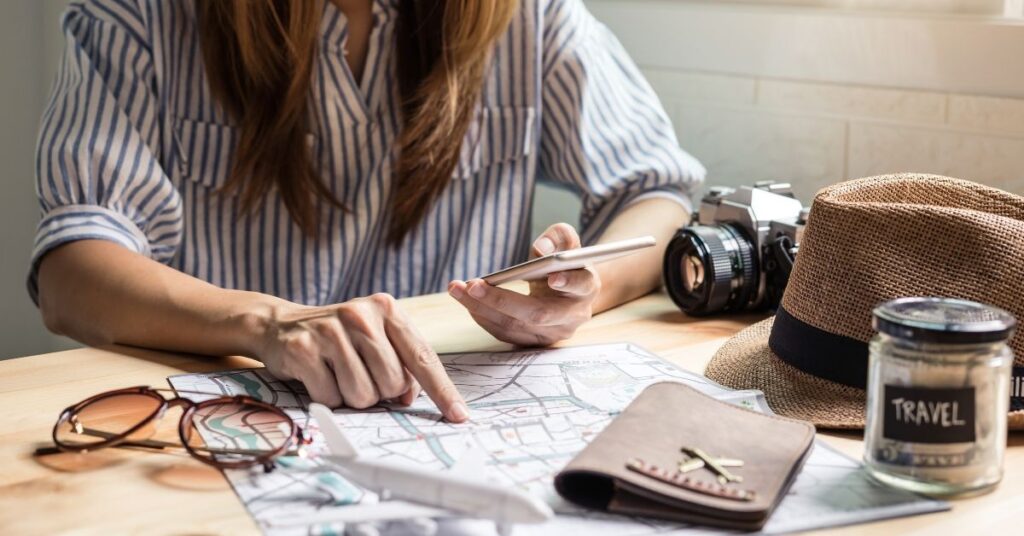
That rush you get when you decide to go somewhere new? Yeah, I still get it – even after years of travel. But hot on the heels of that buzz is often a slightly panicky “OK… now what?” moment. Where do you even start?
I remember my first big solo trip – it was to Australia – and I had no idea what I was doing. I booked my flight, threw way too many random things in the biggest backpack I could find, and just hoped for the best. Spoiler: I survived (and had an amazing time), but it was chaotic and exhausting in totally avoidable ways.
These days, I’ve got trip planning down to a relaxed science. I’m not talking about military-level spreadsheets – unless you love that sort of thing. I’m talking about a flexible, values-led approach on how to plan your trip that gives you the freedom to explore without the stress of winging it too hard.
This guide is for you if you want to travel independently – maybe solo, or maybe just someone who likes to avoid tourist traps and overpriced group tours. Whether it’s your first big trip or your fifteenth, here’s everything you need to know about planning your trip without losing your mind.
Meet Me In Departures contains affiliate links and is a member of the Amazon Services LLC Associates Program. If you make a purchase using one of these links, we may receive compensation at no extra cost to you. See our Disclosure Policy for more information.
1. Start With Why You’re Going
Before you even think about flights or hotel deals, the first step is to ask yourself: why this trip?
Are you desperate for a digital detox, dreaming about ancient temples, or craving cultural connection or simply found a flight deal that’s too good to miss? Your “why” will help you shape every other decision.
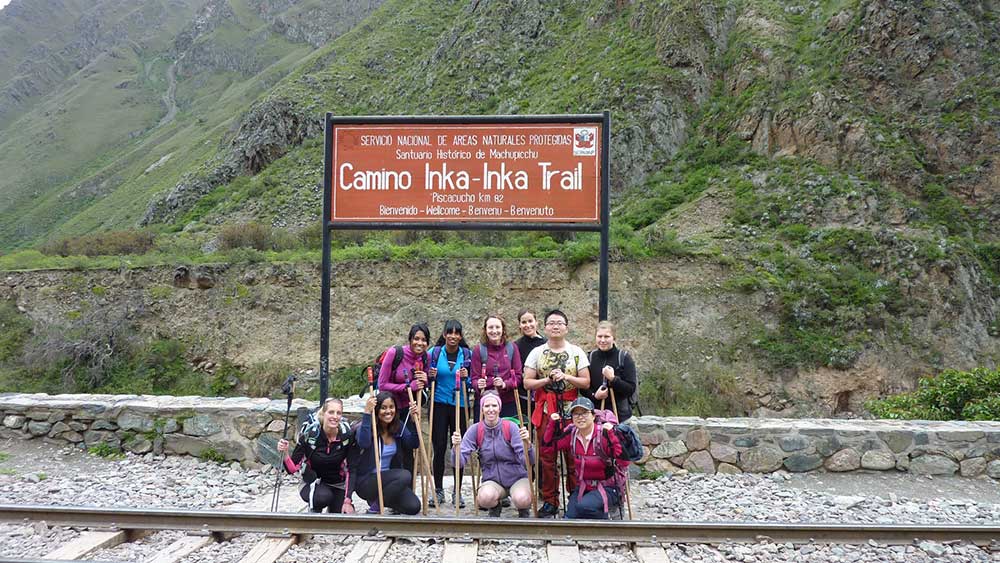
Sometimes I travel because I want a challenge – like hiking the Inca Trail. Other times, I just want to stare at ancient ruins and take 500 photos of old stone walls. Once you understand your core reason for travelling, the rest falls into place more easily.
Ask yourself:
- What do I want to experience, feel, or learn on this trip?
- Do I want nature, culture, adventure, solitude – or a bit of all three?
- Am I up for a challenge or in need of a recharge?
📝 Insider Tip: If you’re feeling really overwhelmed, write a one-sentence “trip intention.” You don’t have to chant it daily, but it’ll help you stay on track when making your travel choices.
2. Narrow Down a Destination
Now you know why you’re going, it’s time to figure out where. This can be the most exciting – or most confusing – part of planning. The world is big. Your time (and budget) probably isn’t.
Even though I’ve travelled a lot, there are still loads of once-in-a-lifetime destinations I’d love to visit – the list never seems to get any shorter.
Here’s how I usually narrow it down:
- Time of year – What places are in season when you want to go? Rainy seasons, extreme heat, or festival crowds can make or break a trip.
- Budget – Some destinations are much friendlier on the wallet than others. South East Asia vs Scandinavia? Big difference.
- Travel time and flight duration – How long will it take you to get there, including layovers? Check your options and decide what works best for your energy levels and schedule.
- Safety and ease of travel – Especially important if you’re travelling solo. Look into current travel advisories, but also local attitudes toward women, animal rights and cultural norms.
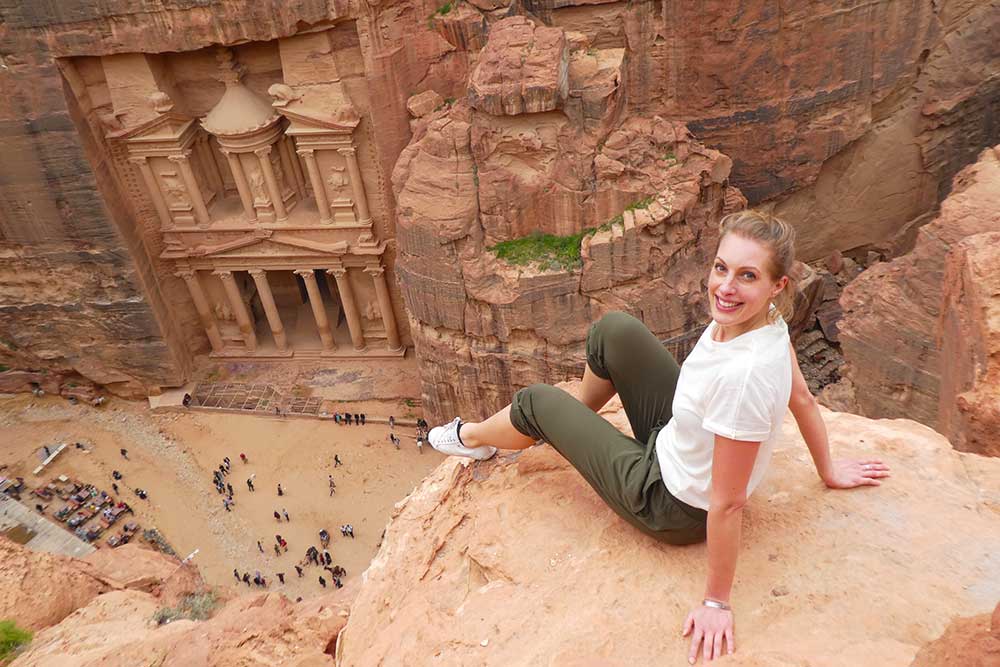
- Travel style – If you want to explore ruins, you might look at places like Jordan or Peru. Into hiking and nature? Think Slovenia or Costa Rica.
🌍 Ethical angle: I also check if a destination is dealing with overtourism (like Venice or parts of Bali), or if there are ways to support local communities in lesser-visited areas. If I can have an amazing trip and make a positive impact, that’s a win-win.
⚠️ Avoid surprises: Look up public holidays, festivals, or even elections – these can affect availability, prices, or safety. I once arrived in a small town in Germany during a major local holiday and couldn’t find an open restaurant for miles.
📌 Related post: How to Choose the Right Destination Based on Your Travel Style
3. Decide How Long to Go For
The length of your trip depends on a few things: how much time you can take off, how much budget you’re working with, and how much you actually want to squeeze in. I’ve learned the hard way that just because I can cram six cities into ten days doesn’t mean I should.
Think about the rhythm you want. Do you want a fast-paced adventure with something new every day? Or would you rather travel slow, sink into a place, and leave space for unexpected detours?
I usually build in what I call a “buffer day” every few stops. No travel, no must-sees, no guilt. Just a day to wander, do laundry, or recover from that 4 am bus.
Questions to guide you:
- How many travel days will be lost in transit?
- Do you want to explore slowly or pack in as much as possible?
- Will you need downtime to recover?
👉 Insider Tip: If you’re solo, factor in mental load fatigue. You’re making every decision, navigating every new place, and that can wear you down faster than expected. Avoid burnout and give yourself days where the only plan is no plan.

4. Set a Realistic, Flexible Budget
Don’t worry, you don’t need to know every penny before you go. But having a rough idea of what things might cost will help you avoid nasty surprises.
Here’s what I usually estimate when I’m planning a trip:
- Flights or major transport
- Accommodation
- Daily spending (food, coffee, small entrance fees)
- Big-ticket activities (like a scuba dive or jungle trekking)
- Travel insurance, visas, SIM cards, vaccinations and emergency fund
Then I add a bit of “fun money” for snacks, souvenirs, or random tuk-tuk rides I didn’t plan for but absolutely needed.
🪙 Don’t forget: Some countries have entry/exit fees, tipping expectations, or require cash-only payments in rural areas. Check ahead so you’re not caught out.
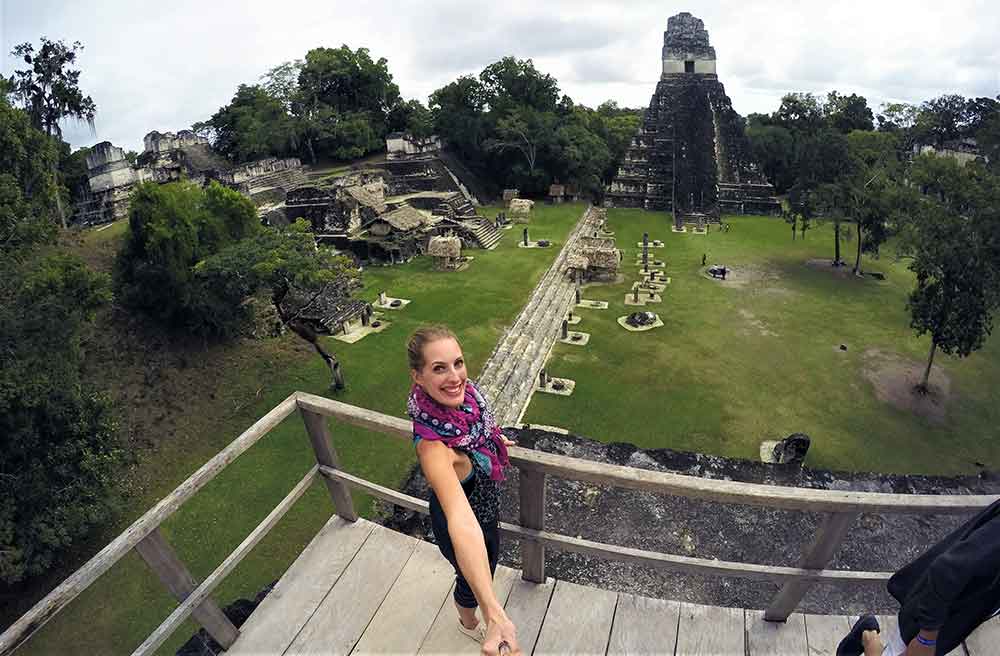
🎒 What I splurge on: Activities I’ll never forget – like sunrise at Tikal or a private wildlife tour in the Amazon. I’ll save on fancy hotels but pay more for incredible experiences.
📌 Resource: Free Budget Tracker for Travellers
5. Do Some Light Research
This bit can get overwhelming fast – so go gently. You don’t have to become an expert on the destination, just gather enough information to feel confident before you leave.
Here’s what I always check in advance:
- Entry requirements: Visa? Passport validity? Are there any current restrictions or documents you need to fill in before flying?
- Vaccinations & health: Check travel clinic advice for your destination. Also, can you drink the tap water? Does your travel insurance cover all the activities you plan to do?
- Cultural customs: Especially around dress, food, and photography.
- Transport: How do people get around? Are buses reliable? Do taxis use meters? Knowing this helps with your itinerary planning, too.
- Safety: Look beyond generic government warnings. Join Facebook groups or scroll social media and blogs for up-to-date info from people who’ve been there recently.
📱 Apps I always download:
- Google Translate (with the language offline)
- Maps.me or Google Maps (with offline maps saved)
- XE Currency for quick conversions
- HappyCow for veggie-friendly food spots
👉 Offline backups are your best friend: Keep copies of your flight info, accommodation addresses, other important travel documents and key emergency contacts saved on your phone and in a printed copy, just in case. I also keep notes of my first hotel’s name and address just in case I have a problem with my phone when I arrive.

6. Sketch Out a Flexible Itinerary
Now it’s time to join the dots. This doesn’t mean planning every hour of every day – but it helps to know the general route you’ll take and how it all fits together.
Start by choosing a few anchor points – the must-see cities, regions, or sights you’re building the trip around. Then see how they connect. Can you get from A to B without three transfers and an overnight bus? If not, it might be worth adjusting the plan.
Here’s how I build mine:
- Pencil in arrival and departure points
- Add your anchor destinations
- Number of stops vs available time
- Check transport options in between
- Slot in buffer days or rest stops
When I was in Guatemala, I made the mistake of planning a tight connection between two towns that looked close on the map – but actually took five hours on twisty mountain roads. Lesson learned: always double-check the real travel times.
🚫 Don’t overbook: Leave gaps in your trip plan for spontaneous detours, weather hiccups, or just a bit of breathing space. This makes your travel planning feel more like freedom, less like a checklist.
👉 Insider Tip: Use Google Maps to eyeball distances, and then ask on local Facebook groups or forums to see what transport options exist between locations. Even if you don’t book yet, it’ll help you stay realistic.

7. Book the Big Stuff
Once you’ve got the skeleton of your trip plan in place, it’s time to lock in the key things.
Start with the essentials that are on your travel bucket list, especially if you’re travelling in peak season:
What to book first:
- Flights or major transport (especially if it affects your visa or travel dates)
- Accommodation for the first few nights – or the whole trip if it’s high season
- Must-do activities that sell out quickly or have limited entry (like Inca Trail permits, safaris or National Park entry)
For everything else, I like to keep it loose. I’ve often found better deals or more interesting places by waiting until I was on the ground. Plus, plans change, and it’s annoying being locked into non-refundable bookings.
👯♀️ Solo safety tip: For solo travellers, especially women, make sure your first night’s accommodation is somewhere easy to get to, has late check-in options in case of delays, is well-reviewed, and ideally near food and transport.
🛑 Always check the cancellation policy. Flexibility is gold – whether your plans shift or something unexpected comes up.
🗓️ Bonus tip: Add all your confirmed bookings to your digital calendar or a master list so you can access them easily while you’re on the go.
👉 Keep digital copies of everything – travel documents, confirmation emails, and emergency contacts. I store mine in a cloud folder and a backup email, just in case. A little organisation now saves a lot of stress later.

8. Sort the Practical Essentials
This is the part most people leave until the last minute – don’t.
Sorting out the boring-but-important stuff early means fewer headaches down the line.
- Travel documents – Passport valid for at least 6 months, necessary visas, and printed confirmations.
- Travel insurance – Non-negotiable. Make sure it covers the types of activities you plan to do.
- Vaccinations – Some take a few weeks to become effective, so check ahead.
- Credit card and banking – Let your bank know you’re going abroad and check for foreign transaction fees.
- SIM cards or eSIM – Research local providers or roaming packages.
- Emergency prep – A small first aid kit, contact list, and basic translation app (especially helpful for medications).
📁 Pro tip: I always create a dedicated travel folder in Google Docs – you could use Dropbox or Notion – and keep everything in one place. It saves time scrolling through emails for tickets and documents. It’s also worth taking photos of physical items like your passport, bank cards and other important documents.
I also create a quick-reference list on my phone with emergency numbers, booking references, and accommodation addresses. It saves loads of time fumbling through email when you’re tired or jet-lagged.

9. Learn the Little Logistics Most People Forget
These are the things that seem like small details of planning your travel – until they suddenly aren’t. A bit of prep here saves loads of faff on the road.
- Plugs & voltage: Make sure you’ve got the right adapter for the country you’re visiting. Also, check the voltage – some places (like the US) have lower voltage than the UK, which affects how well your devices charge.
- Tipping etiquette: Research what’s expected in your destination – in some places it’s rude not to tip, in others, it’s not expected at all.
- Transport quirks: Will you need a local transport card? Is there a regional rail pass worth getting? Are buses booked in advance or paid on board? Jot this info down in your notes app before you go.
- Toilets and hygiene: Always carry tissues and hand sanitiser – especially useful in rural areas or places with squat toilets.
- Vegetarian tips: If you’re plant-based, learn a few local food terms. I’ve had “no meat” dishes arrive with fish sauce, chicken stock, or even bacon for flavour. HappyCow and local blogs can be lifesavers.

10. Start Your Packing List Early
I know it’s tempting to throw it all together the night before, but trust me – future you will be much happier if you start your packing list early.
On my first backpacking trip in Australia, I went with a 70-litre backpack. It weighed over 20kg, and I regretted it the entire two months I had to lug it about. After years of trial and error, I’ve now got two months of travel into a hand luggage-sized backpack, and still have room for souvenirs!
Start with the essentials:
- Passport, travel documents, tickets
- Travel gear (bags, shoes, adapters, reusable water bottle)
- First-aid kit + medications
- Reusable items (cutlery, bag, toiletries)
- Period products, especially if you’re heading to remote or traditional areas
🩹 Tiny essentials that have saved me multiple times:
- Blister plasters
- Rehydration sachets
- Travel towel
- Mini sewing kit (yes, really)
- Earplugs
📌 Want to pack smarter? Read my minimalist packing list guide for more ideas.

Final Thoughts: Planning Is Part of the Adventure
You don’t need a perfect itinerary. You don’t need a colour-coded spreadsheet (unless you love that). What you do need is a rough plan, a little research, and the confidence that you’ve got the important stuff covered.
Leave space for things to go a bit sideways—because that’s often where the best stories come from. Trust your gut, follow your curiosity, and give yourself permission to be flexible.
Planning should feel like part of the adventure, not a chore. So grab a notebook, make a cup of tea, and start sketching out the trip you’ve been daydreaming about.
📥 PS: If you want to make life easier, I’ve created a free trip planning starter pack with printable checklists, budget templates, and itinerary planners—grab yours here.