
17 Best Things to Do in San Sebastian, Spain
If you’re visiting for the first time and looking for the best things to do in San Sebastián, this guide is packed with personal recommendations and insider tips I picked up during my six weeks travelling around the Basque region.
No matter where I explored, I always found myself returning to this city. There’s just something about San Sebastián that draws you in. Whether it’s the mouth-watering pintxos, the breezy coastal walks, or the way golden-hour light hits the Belle Époque buildings. Whatever it was, it kept drawing me back.
But with so much packed into a compact space, figuring out what to do in San Sebastián can get overwhelming fast, especially if you want to experience it like a local, not a checklist tourist.
In this post, I’m sharing the exact places and experiences that made me fall in love with the city. From drinking cider straight from the barrel in a traditional sidrería, to riding a vintage funicular for panoramic bay views, and even catching an indie art show in a repurposed tobacco factory. You’ll find both the well-known highlights and the under-the-radar gems. I know they’ll make your trip unforgettable too.
Meet Me In Departures contains affiliate links and is a member of the Amazon Services LLC Associates Program. If you make a purchase using one of these links, we may receive compensation at no extra cost to you. See our Disclosure Policy for more information.
17 Best Things to See in San Sebastián
One of the best things about this coastal city in northern Spain is that it’s relatively compact, so you’ll be able to tick off most of these if you have a long weekend in San Sebastian.
Grab a comfortable pair of shoes and an umbrella; the rainfall here is ridiculous, even in summer, and see how many of these things you can cram into your Donostia-San Sebastian itinerary.
1. Walk Along La Concha Beach
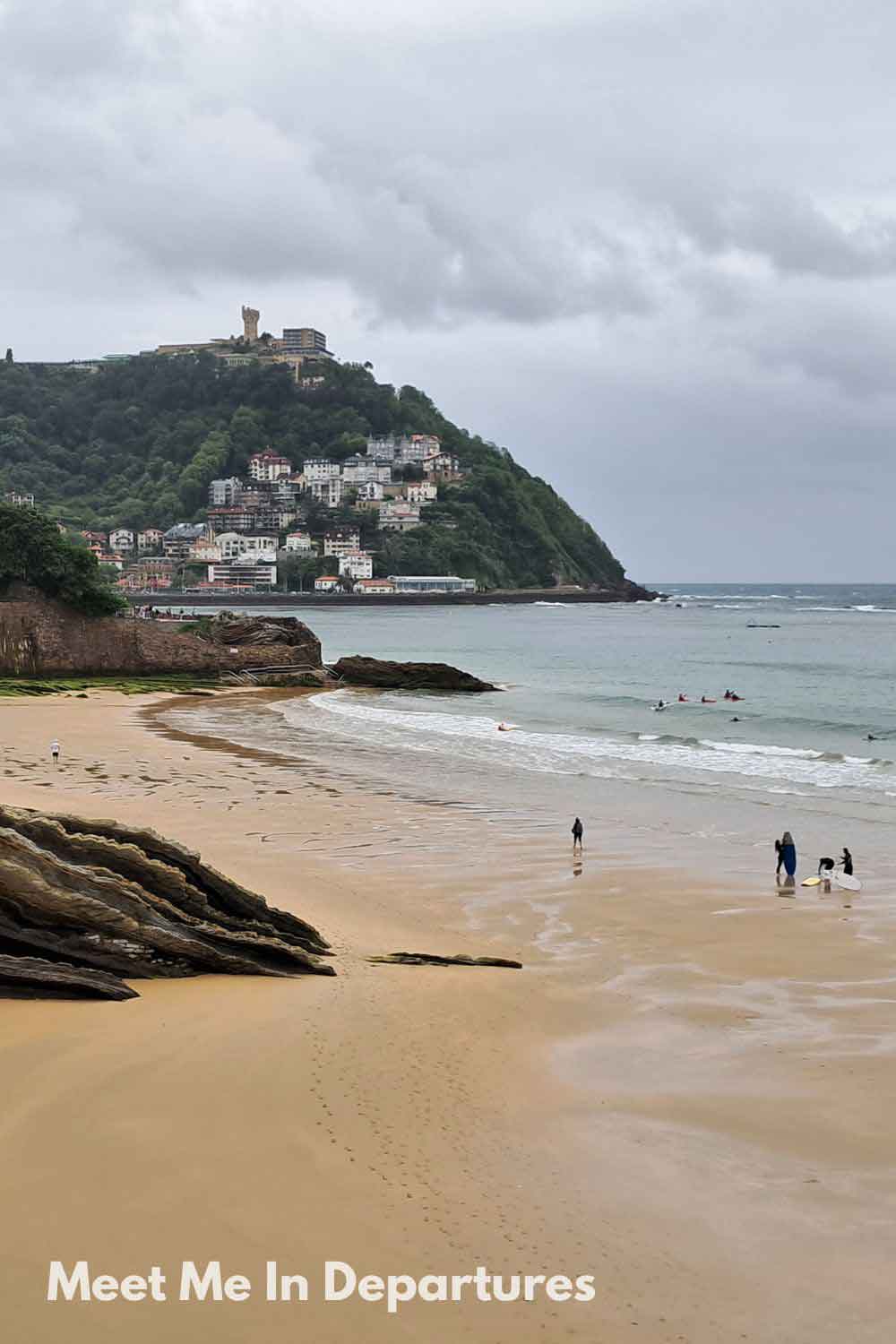
La Concha Beach is one of the most beautiful urban beaches in the world, so no surprise it tops my San Sebastián sightseeing list.
And it’s easily the most beautiful one I came across in northern Spain.
The beach is located in a curved bay with soft golden sand and turquoise water. I lost count of the number of times I walked along it. Whether you want to swim, sit with a coffee, or just stretch your legs, it’s one of the best places to start exploring.
The promenade is long and flat, with elegant white railings, a separate cycle lane, and plenty of benches where you can stop and take in the view of Santa Clara Island. It’s also a really easy and safe walk to do on your own. I wandered it at all times of day and always felt comfortable, even early in the morning or just after sunset.
At low tide, you can walk all the way from La Concha to Ondarreta Beach. Even in winter, this stretch is one of the top San Sebastián highlights. It’s quiet, scenic, and a great spot to escape the city centre for a bit.
2. Dive into the Pintxo Bars
One thing to know about San Sebastián is that it’s home to some of the best food in the world, and its pintxos (Basque tapas) are legendary.
Eating your way around the city is undoubtedly a must-do in San Sebastian (hint: take your stretchy waistband pants).
The Old Town is full of bars serving everything from the classic gilda (a skewer of olive, anchovy, and pickled pepper) to tiny plates that look like they belong in a Michelin-starred restaurant. Even as a vegetarian, I had loads of choice, and it was all delicious.
Each place has its own signature dish, so the best way to experience it is to bar hop around San Sebastian.
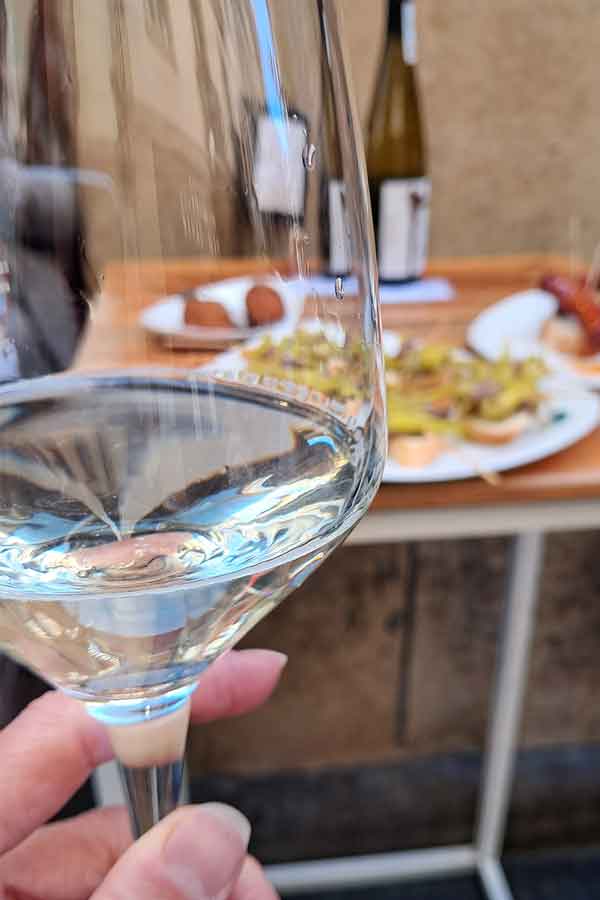
Order a pintxo and a small glass of txakoli (a slightly fizzy local white wine), then move on to the next. You’ll know you’re in a good spot if the napkins are all over the floor. It’s a thing here.

Good To Know
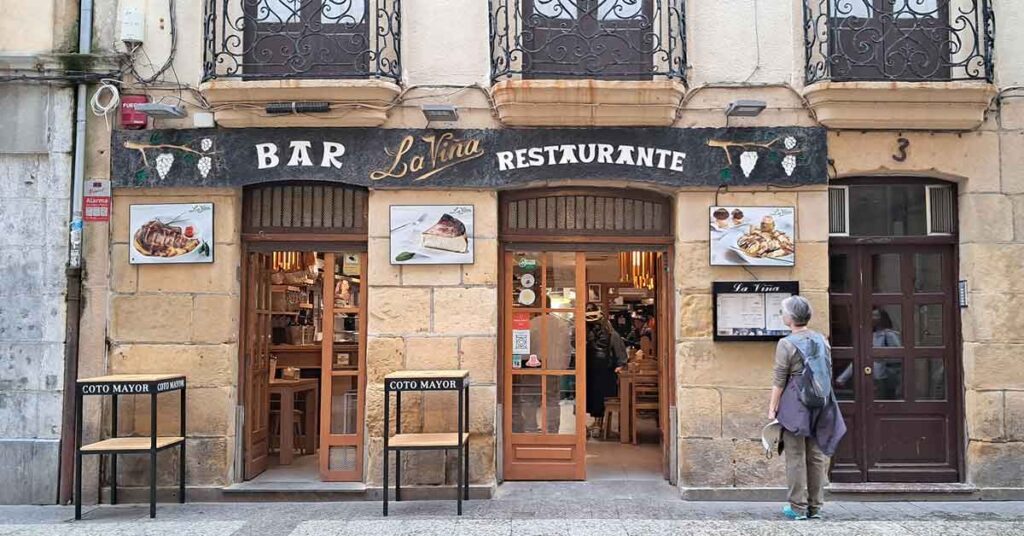
I joined a food tour with Devour Tours, and it was hands down one of the best things I did in the city. You can bar hop on your own, but the tour took me to places I’d never have found by myself, and I actually understood what I was eating.
The guide explained the stories behind the dishes, the drinks, and the people running the bars. Plus, Devour supports locally owned businesses, so your food is not only authentic, but it also helps keep local food traditions alive.

⭐️⭐️⭐️⭐️⭐️
San Sebastian Ultimate Pintxos & Wine Tour with Devour Tours
✅ 3 hours
✅ English-speaking guide
✅ Max group size of 8
3. Explore Parte Vieja (Old Town)
I can’t resist an old historic centre, and San Sebastián’s Old Town (Parte Vieja) didn’t disappoint.
It’s a compact part of the city, full of narrow streets lined with pintxo bars, old churches, and small plazas tucked between the buildings.
One of the best-known spots is Plaza de la Constitución, which used to be the main square for public gatherings, including bullfights, many years ago. Thankfully, those days are long past, but if you look up, you’ll still see the old numbered balconies dating back to when spectators would watch from above.
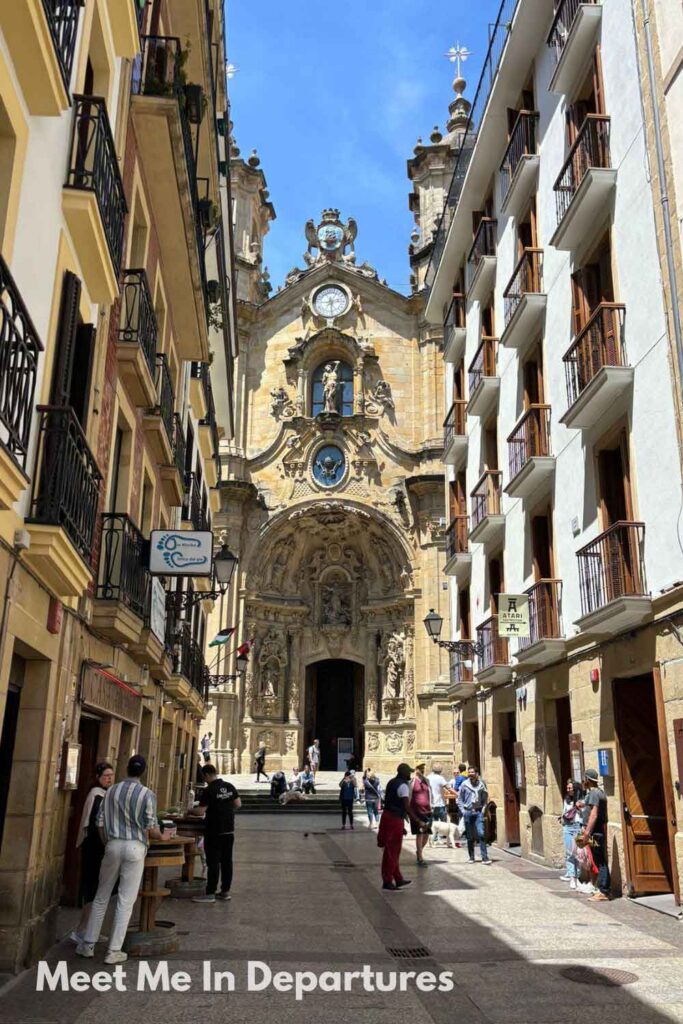
Other highlights in the Old Town include San Vicente Church, the oldest in the city, and the Baroque-fronted Santa María del Coro Basilica. But honestly, just wandering aimlessly is part of the fun. It’s the best place to get a feel for the city’s atmosphere.
Good To Know
I’d recommend coming early in the day if you want to explore the streets without the crowds. By evening, the bars fill up with people hopping between pintxo spots.
Calle 31 de Agosto is one of the top places to visit in San Sebastián for food. Some of my favourite pintxos were down this street, and it’s a great way to try a few different places in one go.


4. Ride the Funicular to Monte Igueldo
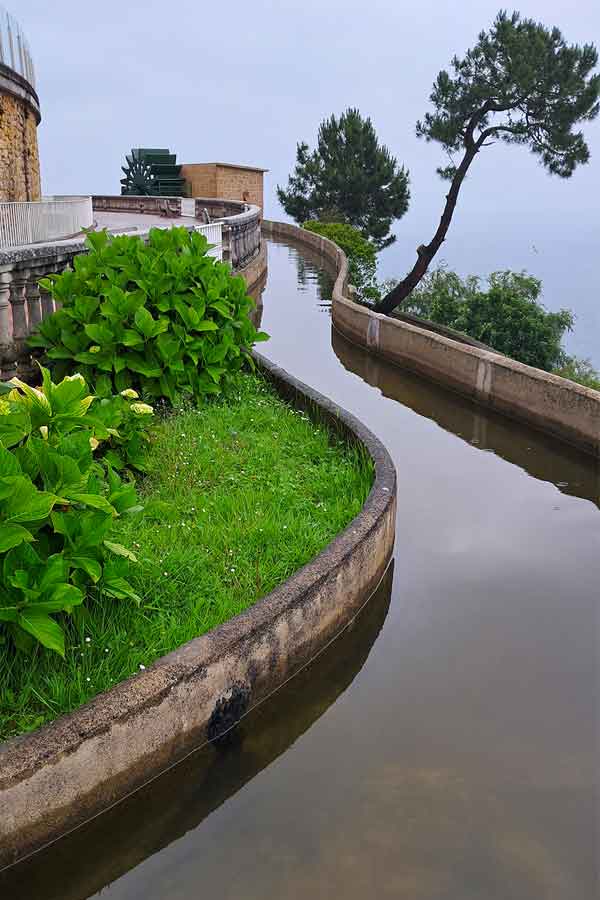
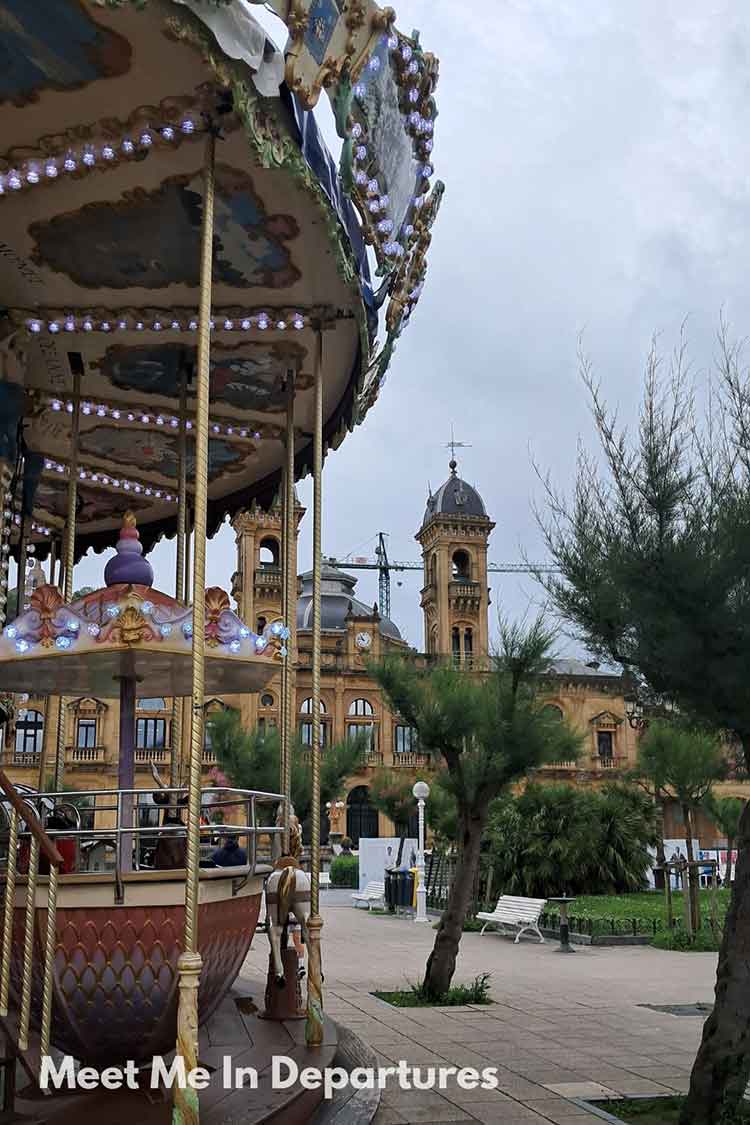
For the best panoramic view of San Sebastián, take the historic 1912 funicular up to Monte Igueldo.
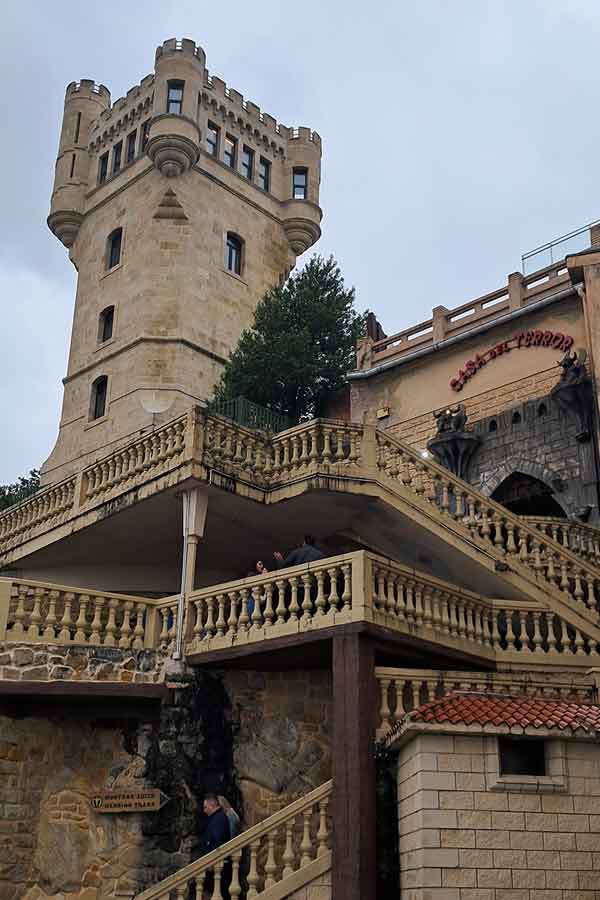
At the top, there’s an old-school amusement park with vintage rides, including a wooden roller coaster and a lookout tower with incredible views over La Concha Bay and the Bay of Biscay.
Even if you skip the lookout tower, the views are still iconic. This is where you get that classic shot of the bay that shows up in every travel guide and postcard.
This nostalgic fairground is the OG of San Sebastián attractions. The rides are definitely a bit tame by today’s standards, but the charm is still there. Honestly, even if you don’t go on anything, it’s worth the ride up just for the views.

Time Saving Tip
The amusement park has some really random opening hours, especially outside of peak season. I recommend checking the official Monte Igueldo site before you go to make sure it’s actually open, especially if you want to go on any of the rides.
5. Visit the San Telmo Museoa
If you’re after cultural things to do in San Sebastián, check out this great little museum housed in a 16th-century former Dominican convent. San Telmo Museoa is a fantastic place to learn about the Basque Country, its culture, and its history.
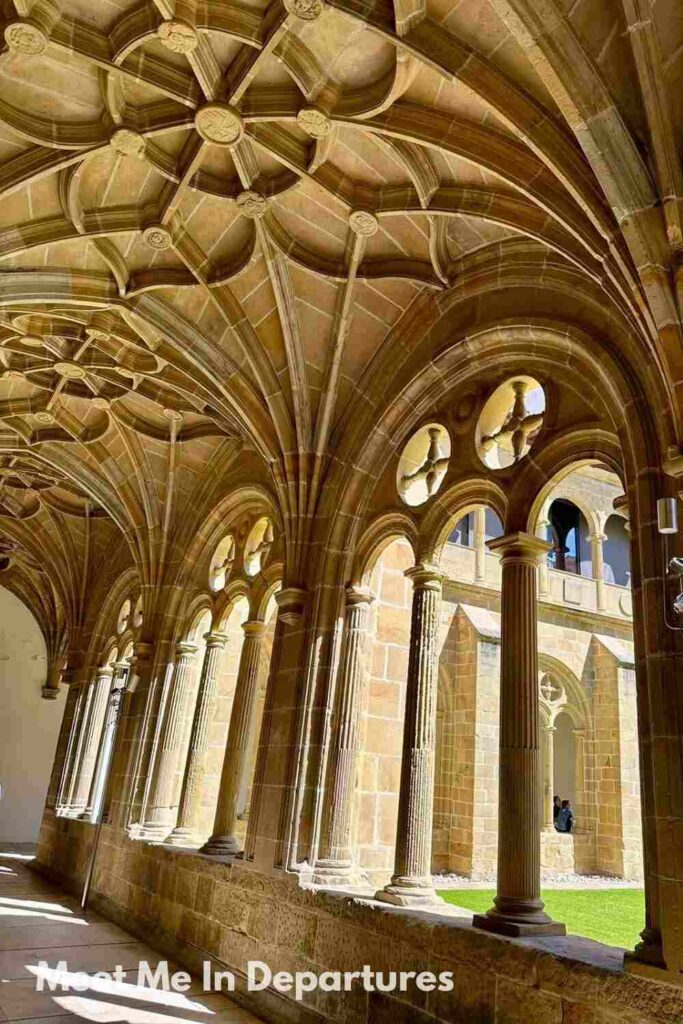
This was my favourite museum in San Sebastián, partly because of the mix of original architecture and modern design. You can still wander through the old stone cloisters that contrast with the new wing, with its ivy-like metal facade. The museum might look a bit stark from the outside, but it works surprisingly well once you’re inside.
The exhibitions cover all sorts of Basque traditions, including the region’s fishing heritage, day-to-day life, and deep connection to the sea. There are also displays of old household items, nostalgic photographs, and vintage newspaper clippings that give you a proper sense of what life was like here.
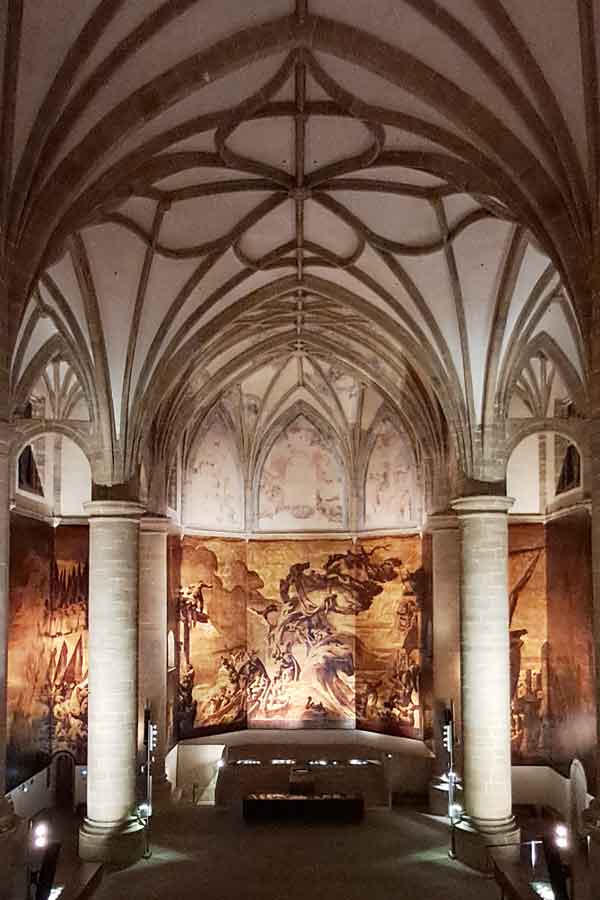
The old church section is especially impressive. It features enormous canvases by José María Sert that are worth seeing on their own.

Money Saving Tip
There’s a lot to see inside, and it’s definitely worth paying for. But the great thing is, if you turn up on a Tuesday, entry is completely free for everyone. You don’t need to book in advance; just show up and go in.
6. Taste the Local Cider at a Sidrería (Cider House)
San Sebastián is famous for its cider houses (sidrerías), where you drink cider straight from the barrel and feast on traditional Basque dishes.
When I went to my first one, I had no clue what I was doing. Someone shouted “txotx!” and suddenly everyone was lining up at the barrel with their glasses. I gave it a go, held mine out to catch the stream mid-air, and completely missed. It went everywhere. Once I got the angle right, though, it became part of the fun.
The cider itself is dry, slightly sour, and completely flat. Pouring it from a height aerates it and brings out the flavour. I’m from the West Country in the UK, which is also big on cider, and I have to say, I was not disappointed with the offerings here.
Most sidrerías serve a traditional menu with chuleton (a huge T-bone steak), and tortilla de bacalao (salt cod omelette). I’m veggie, so I skipped most of that, but there were still plenty of sides to fill up on.
A lot of cider houses are out in the countryside, but some just outside the city are easy to get to.
If you want to really experience the cider scene, aim for cider season (January to April). That’s when it gets busy with locals, and the txotx calls come thick and fast.
7. Surf at Zurriola Beach
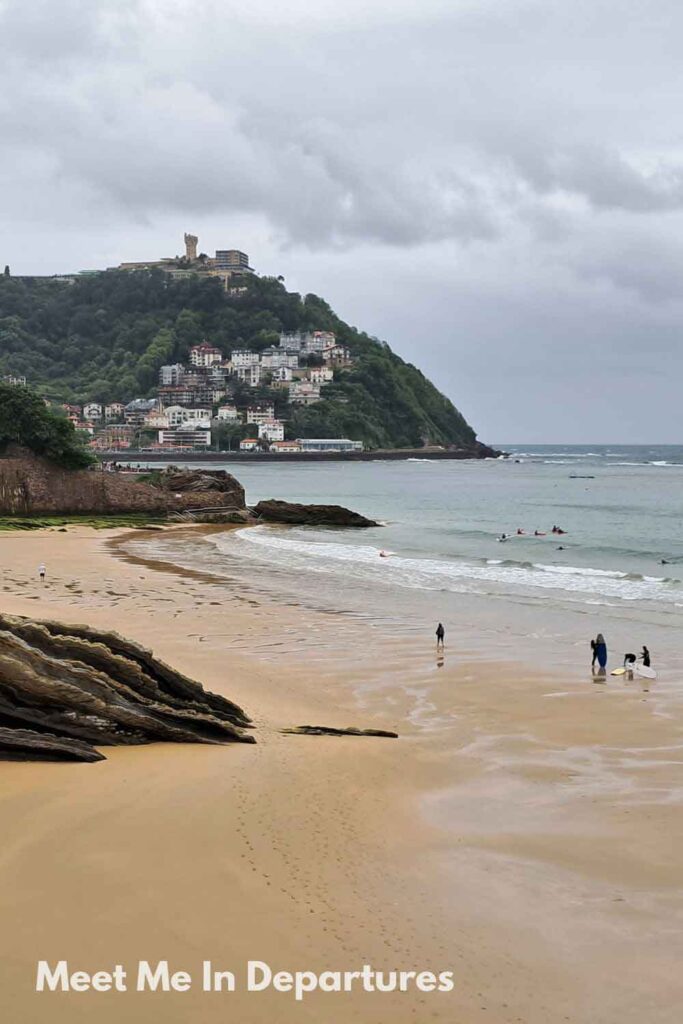
If you’re after something a bit different from the usual San Sebastián sightseeing activities, head to Zurriola Beach. It’s the city’s go-to spot for surfing, with stronger waves than the calm waters of La Concha. This is where all the cool locals seem to hang out.
I’d always wanted to try surfing, and since San Sebastián is known for its surf beaches, I figured it was the perfect place to give it a go.
I booked a lesson, got suited up, and was out in the water in no time. I was completely useless. I couldn’t stand up for more than half a second, but I absolutely loved it… I’d do it again in a heartbeat.
Even if you’re not up for getting in the water, Zurriola still has a really laid-back vibe. There’s usually something going on: beach volleyball, skating, or people watching the waves with a beer in hand. It’s a nice break from the more polished parts of town and a good way to mix in with the local rhythm of the city.

8. Walk through the Miramar Palace Gardens
One of the top free things to do in San Sebastián is to visit Miramar Palace, perched between La Concha and Ondarreta beaches. It was once the summer residence of Spanish royalty. While you can’t go inside the palace, the gardens are open to everyone.
The lawns are well-kept and look out over the bay. It’s one of the calmest spots I found in the city, a solid place to take a breather, especially if the rest of your day’s been busy. I brought a book and ended up sitting there for ages, just reading with the sea in the background and barely anyone else around.
9. Relax in Cristina Enea Park
If you don’t make it to the Miramar Palace Gardens, Cristina Enea Park is a great alternative.
It’s another peaceful green space, but this one’s tucked right into the middle of the city. Originally a private estate, it’s now a public park with proper walking paths, shaded benches, and even a few peacocks strutting around like they own the place.
The park sits up on a small hill with decent views across the city. It’s perfect when you want a break from the beach or the buzzier parts of town.
Walk to the far end of the park and look for the hidden viewpoint. There’s a bench there overlooking the river, and it’s a great spot to sit for a while, especially if you’ve been on your feet all day.
10. Enjoy a Performance at the Kursaal Congress Centre
The futuristic-looking Kursaal is one of San Sebastián’s most important cultural venues. It hosts concerts, theatre performances, and the prestigious San Sebastián International Film Festival every September.
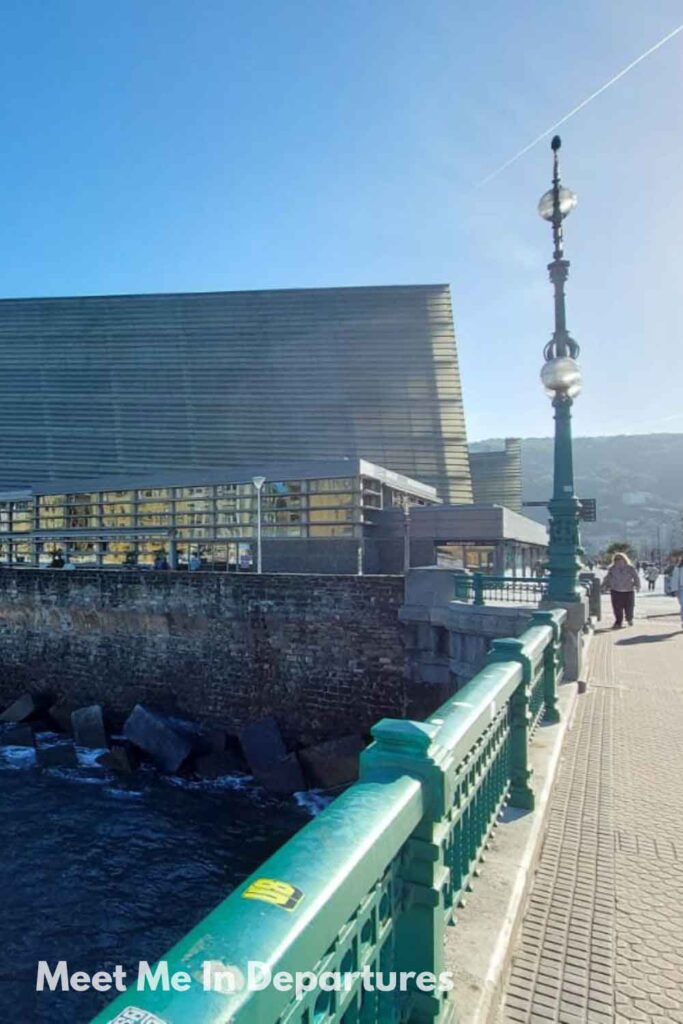
The building, designed by Rafael Moneo, looks like two massive glass cubes and lights up beautifully at night.
If you’re into music or theatre, check out the programme; you might catch an amazing show while you’re in town.
Even if you don’t see a performance, I recommend walking by at night when the illuminated cubes reflecting on the water are stunning. For a great photo, stand on the Zurriola Bridge.
11. Discover the Romantic Belle Époque Style of San Sebastián
San Sebastián flourished in the late 19th and early 20th centuries as a glamorous beach resort for aristocrats. That sense of luxury still lingers today.
One of the reasons why San Sebastián is so expensive is that it’s held onto that exclusive reputation. From grand hotels to fancy beachfront apartments, you can definitely feel the upgrade compared to other Spanish cities.
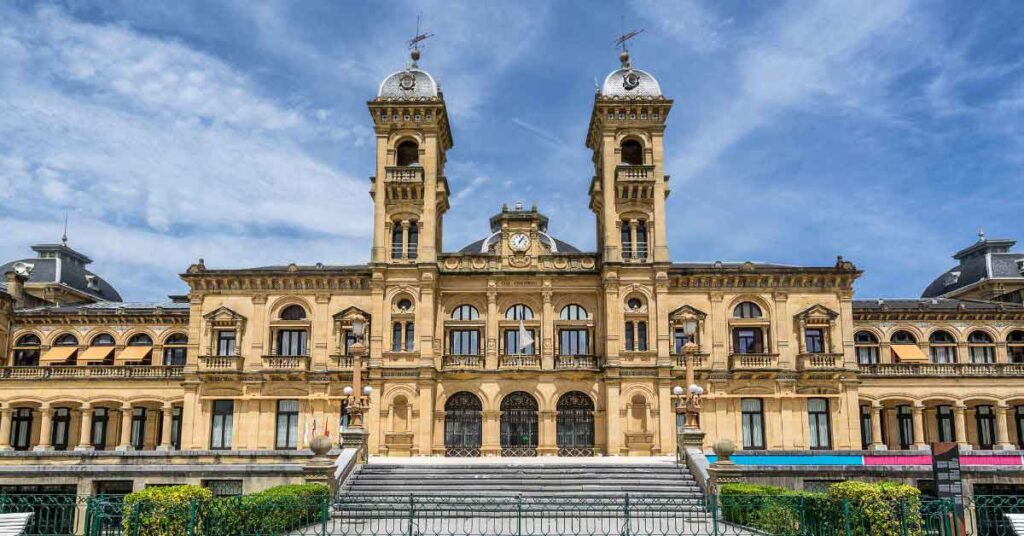
You’ll see loads of Belle Époque architecture around town, like the Hotel de Londres y de Inglaterra right on the seafront, the elegant City Hall (which used to be a casino), and the Maria Cristina Bridge with its over-the-top lampposts.
A good example of that old-school glamour is the Maria Cristina Hotel. Don’t stay here unless you’re ready to drop serious money, but stop in for a coffee if you’re nearby. It’s where the film stars stay during the San Sebastián Film Festival, and you get a glimpse of the fancy side of the city without the room rate.
12. Experience Peine del Viento (Windcomb)
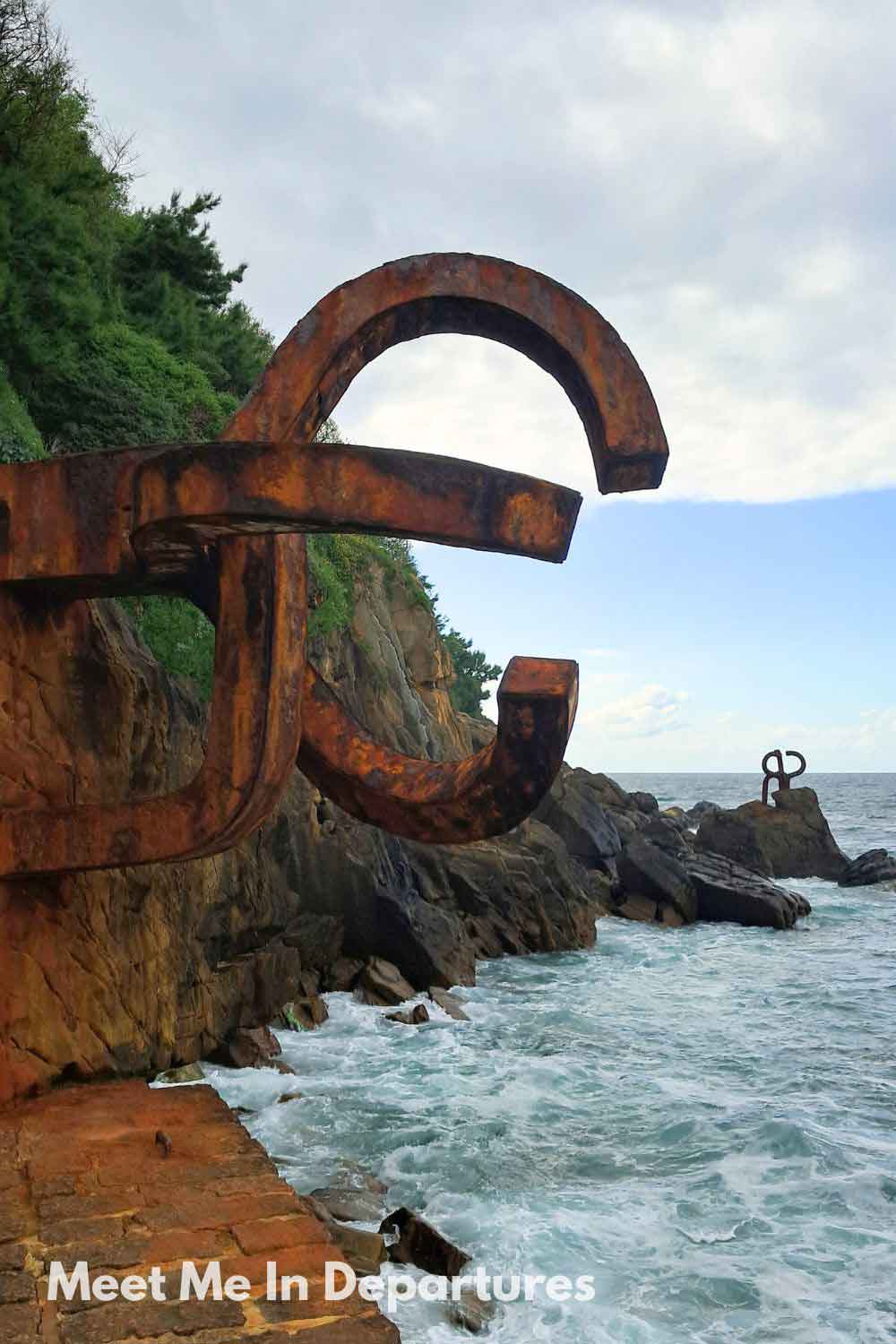
At the western end of Ondarreta Beach, you’ll find Peine del Viento, a striking sculpture by Basque artist Eduardo Chillida.
The three curved iron structures are fixed into the rocks right where the sea crashes in. When the waves are up, the whole thing comes alive. It’s a proper mix of nature and art, and it really sticks with you.
If you’re into modern art and architecture, it’s also worth checking out neighbouring Bilbao. It’s got its own collection of bold, creative works and makes a great contrast to San Sebastián’s coastal vibe.
Don’t Miss
If the tide’s right, stand on the stone slabs near the Peine del Viento. There are vents built into the ground that blast out sea spray when the waves hit. You won’t see it coming, which makes it even better.
13. Visit a Vineyard for Local Wine
San Sebastián is surrounded by lush vineyards that produce Txakoli, a crisp, slightly fizzy Basque white wine.
The best way to experience it is by visiting a local bodega in the nearby Getaria or Hondarribia regions. They’re both just a short drive from the city, and the scenery is reason enough to go.
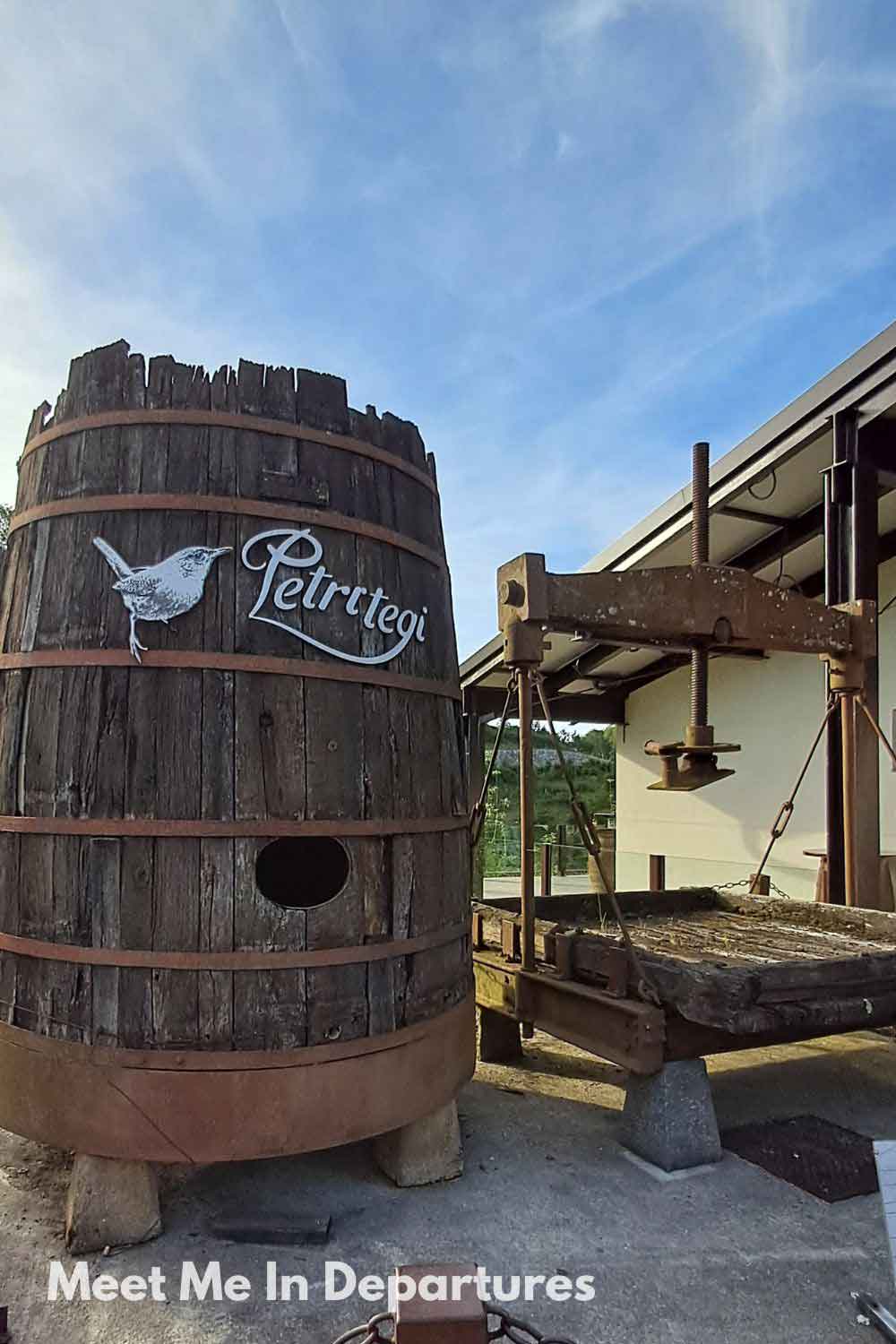
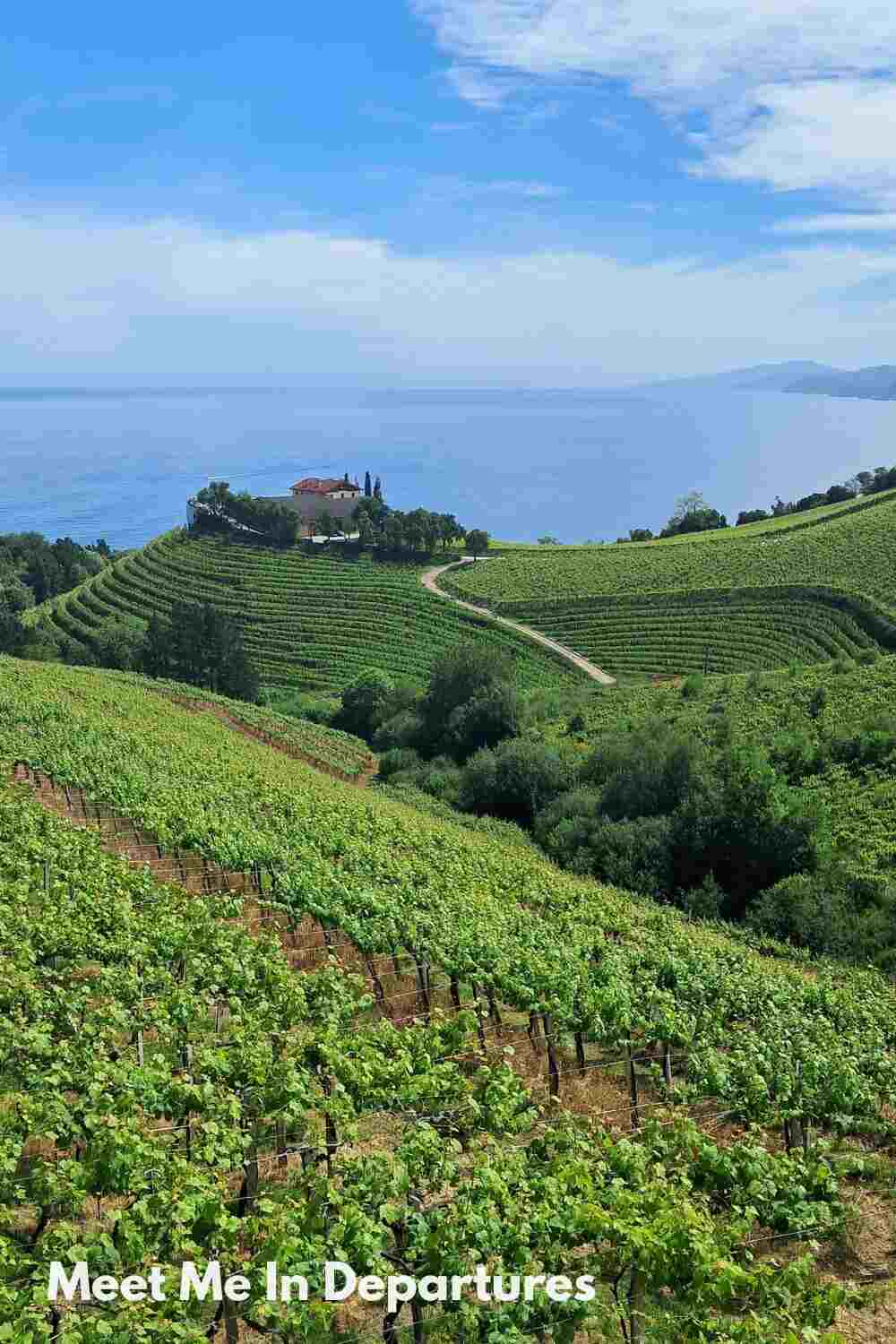
I visited quite a few vineyards during my time in the Basque Country. The one that stood out most was Ameztoi. It’s right on the edge of the sea, with rows of vines rolling down towards the coast. It was hands down the prettiest of them all.
Many wineries, like Ameztoi, offer tastings and tours where you can learn about the winemaking process and try different styles of Txakoli, usually paired with local food. It’s a great way to spend a lazy afternoon, especially if you’re into seafood and pintxos. The two go really well together.

Solo Travel Tip
And if you’re travelling solo and feel a bit awkward turning up at a bar or winery on your own, don’t worry. I recommend joining one of the guided winery tours.
You’ll be with a group of like-minded travellers. You also get to enjoy the wines in good company, without having to hover near strangers at the next table. Most tours include matched food pairings, too, which is always a bonus.
14. Go Hiking
Mount Urgull rises right behind the Old Town, and it’s an easy hike with big payoffs.
The paths wind through shady trees and crumbling stone walls, with plenty of old cannons and lookout points along the way. It’s got that mix of history and scenery that actually makes the walk up worth it.
At the top, there’s a huge statue of Christ and the remains of a fortress. There’s also a small museum inside the old military building if you’re into that kind of thing. But for most people, it’s the view over La Concha Bay that seals it. It’s easily one of the best in the city.
Take the back route up from the Aquarium instead of the one from the Old Town. It’s quieter, and there are some brilliant hidden viewpoints on the way up.
Good To Know
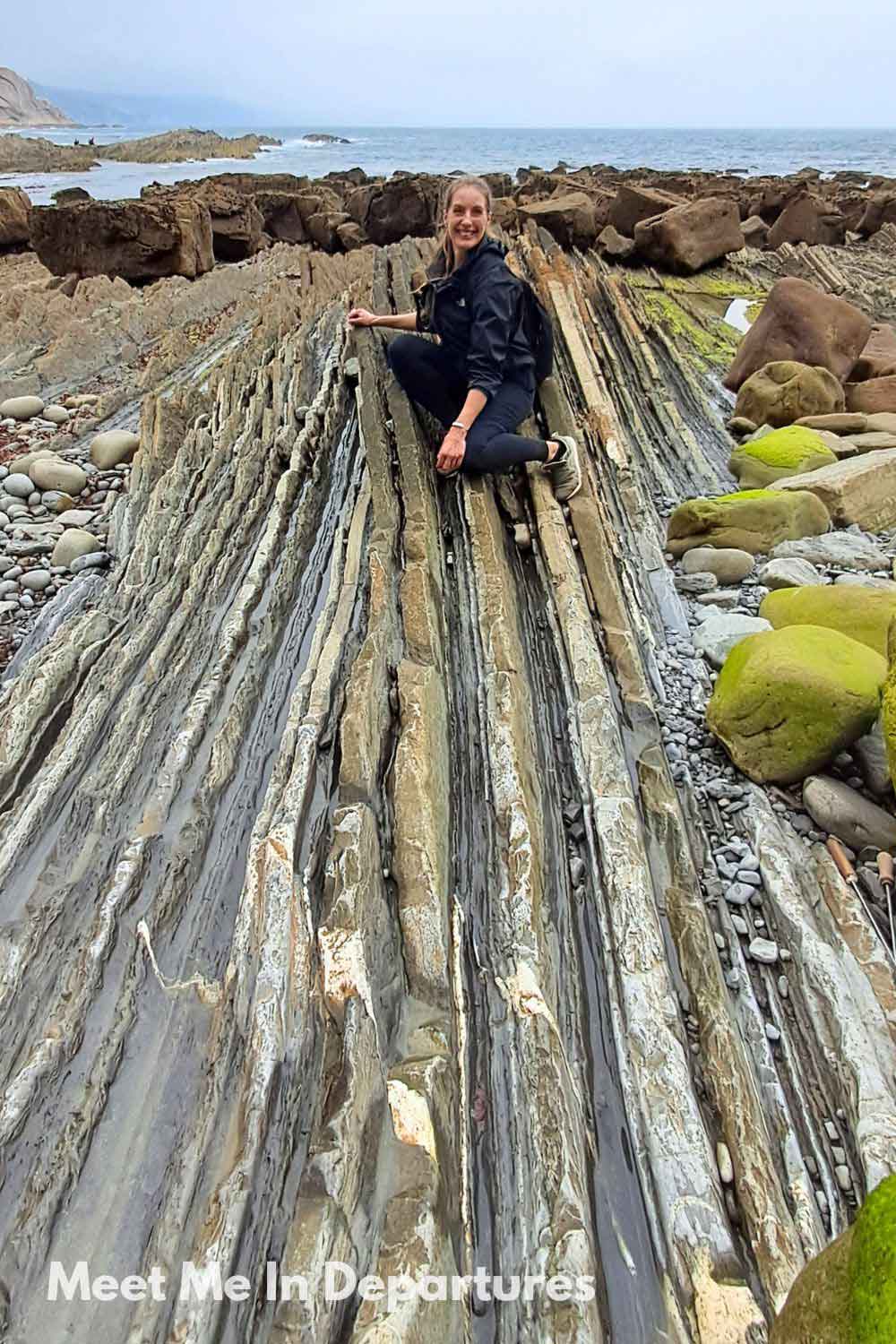
If you’re up for something more ambitious, the Flysch Route is one of the best coastal hikes I’ve ever done. It’s a full-day adventure with dramatic cliffs, layered rock formations, and views that just keep getting better. I loved every minute of it.
15. See Contemporary Art at Tabakalera
Tabakalera is San Sebastián’s hub for contemporary art and creativity. It used to be a tobacco factory, but now it’s a cultural centre with exhibitions, workshops, film screenings, and some pretty bold installations.
The space changes all the time, so there’s always something new going on. Check the official Tabakalera website to find out what’s happening.
Even if you’re not massively into modern art, the building is still worth a visit.
There’s a rooftop terrace that’s completely free to access, and it has one of the best views over the city. Most people don’t even realise it’s there, so it’s usually quiet. It’s a great little spot for photos or just to take a breather from the streets below.
16. Visit San Sebastian Aquarium
San Sebastián’s Aquarium is one of the oldest in Europe, dating back to 1928. It’s had a modern upgrade since then, including a 360-degree tunnel where sharks, rays, and colourful fish swim all around you.
Now, I’m not usually a fan of places that keep animals in tanks, unless they’re doing it for a genuinely good reason. But this aquarium puts a big focus on sea life conservation and education. You’ll learn a lot about the challenges marine ecosystems are facing and how they’re working to protect them.
There’s also a maritime museum section that dives into San Sebastián’s deep-rooted connection to the sea, from old ship models to the region’s fishing traditions.
The ocean has always been a huge part of life here in the Basque Country. So it’s good to see that they’re using the space not just to display sea life, but to raise awareness about why it needs protecting.
17. Watch or Play Jai-Alai
If you’re after something truly authentic to the Basque Country, check out Jai-Alai. It’s a traditional sport often described as the fastest ball game in the world. Think of squash, but with a curved basket strapped to your hand and the ball rocketing around at ridiculous speeds.
There are a few frontón courts in and around San Sebastián where you can catch a match. And if you’re looking for something a bit different to do, you can even try it yourself. It’s a brilliant way to experience local culture that you won’t find anywhere else in Spain.
Now, I’ll be honest, I normally can’t stand watching sport. It’s just not my thing at all. I’ve got zero interest. But this? This held my attention from the first few minutes, purely because it’s one of the most bizarre things I’ve ever seen. It’s absolutely bonkers. The speed, the noise, the skill… I couldn’t stop watching.
If you want to see the pros in action, head to Galarreta Frontón. It’s a bit outside the city, but well worth it. Even if you don’t think it sounds like your scene, trust me, it’ll surprise you.
Planning a Bigger Trip Around the Basque Country?
If this guide has helped you figure out what to do in San Sebastián, don’t stop there. The Basque Country is full of culture-rich cities, dramatic coastlines, and ridiculously good food. The region really rewards taking your time, especially if you love getting stuck into local experiences, trying new flavours, or wandering around with no fixed plan.
It’s also a brilliant part of Spain for solo travel. Whether you’re into galleries, hiking, food tours, or just people-watching with a glass of wine, there’s something here that’ll pull you in.
I’ve got plenty more guides to help you plan your trip through this corner of northern Spain. So if you’re ready to keep the adventure going, go take a look and start building the rest of your itinerary.
Basque Country and North Spain
- An Epic 5 Days Road Trip in Aragón Itinerary
- 15 Best Things to Do in Aragon, Spain
- Is Zaragoza Worth Visiting? Everything You Need To Know
- The Best Things to See in Zaragoza, Spain
- Is San Sebastian Worth Visiting? The Pros and Cons
- San Sebastian Food Tour Review With Devour Tours
- Is Bilbao Worth Visiting? 12 Reasons To Visit Bilbao