
12 Reasons to Visit Morocco in Winter
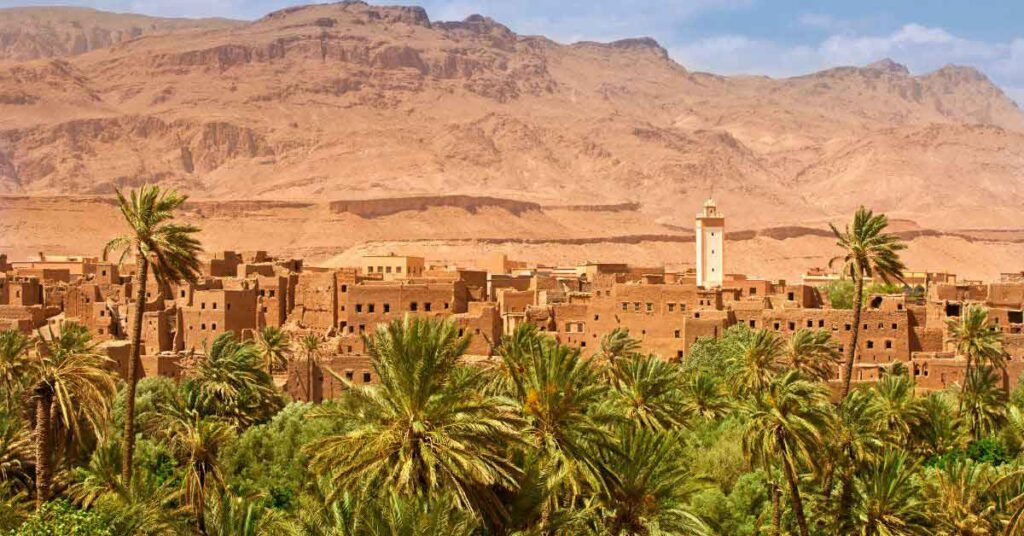
Visit Morocco in winter and you’ll get sunshine, fewer crowds, and way better prices – all without sweating through your scarf. Most people picture Morocco as a sweltering summer destination, but honestly, winter is the sweet spot.
I’ve been in July – and wilted by 10 am. But come winter? Mild days, quiet medinas, and actual breathing room. Whether it’s glamping in the Sahara or just wandering through the souks without being shoved into a spice stall, winter gives you all the colour and culture without the chaos.
And because I live in southern Spain, it’s often quicker (and cheaper) for me to hop over to Marrakech than fly back to the UK. I’ve explored the country from the snowy Atlas Mountains to the coast in winter – and it’s always my favourite time to go.
Still unsure if it’s worth it? Here are 12 solid reasons to ditch the drizzle and see Morocco at its best.
Meet Me In Departures contains affiliate links and is a member of the Amazon Services LLC Associates Program. If you make a purchase using one of these links, we may receive compensation at no extra cost to you. See our Disclosure Policy for more information.
Is it Worth Going to Morocco in the Winter?
Yes! Morocco in the winter is one of the best ways to see the country without the chaos.
You get mild temperatures, off-season prices, and space to explore cities like Marrakech at your own pace. Whether you’re heading for the coast, desert, or medinas, it’s a smart, stress-free time to travel.
Winter in Morocco: What to Expect
One of the biggest myths is that Morocco “shuts down” in winter. It doesn’t.
Even outside of peak season, there’s an abundance of things to do in Morocco. Tourist sites stay open, souks keep buzzing (just less frantic), and prices drop across the board. Shorter daylight hours mean golden hour shows up earlier – no 5 am alarms needed.
And best of all, from November through February, you’ll skip the peak-season stampede without missing the good stuff.
When is winter in Morocco?
It runs from mid-November to late February.
But forget grey skies – Morocco in the winter is mostly sunny, especially if you head south or stick to the coast.
Here’s a quick breakdown of the climate by region and month:
| Location | Weather in December | Weather in January | Weather in February |
| Marrakech | 18–22°C (64–72°F), sunny days, chilly mornings | Similar to December, sometimes colder nights | Slightly warmer, good for walking |
| Essaouira / Agadir | Mild and breezy, coastal winds | Still comfortable, fewer tourists | Starts to warm up – warmest place in Morocco in winter |
| Chefchaouen / Tangier | Cooler, chance of rain, damp air | Coldest month, layered clothing needed | Rain eases, crisp and fresh |
| High Atlas | Snowfall likely, especially at altitude | Heavy snow possible, icy nights | Still snowy – good for trekking or skiing |
12 Reasons to Visit Morocco in Winter
1. Escape the Crowds in Popular Cities
Winter is when Morocco’s busiest cities finally breathe. If you visit Morocco in winter, places like Marrakech and Fez are still lively – just without the wall-to-wall tour groups.
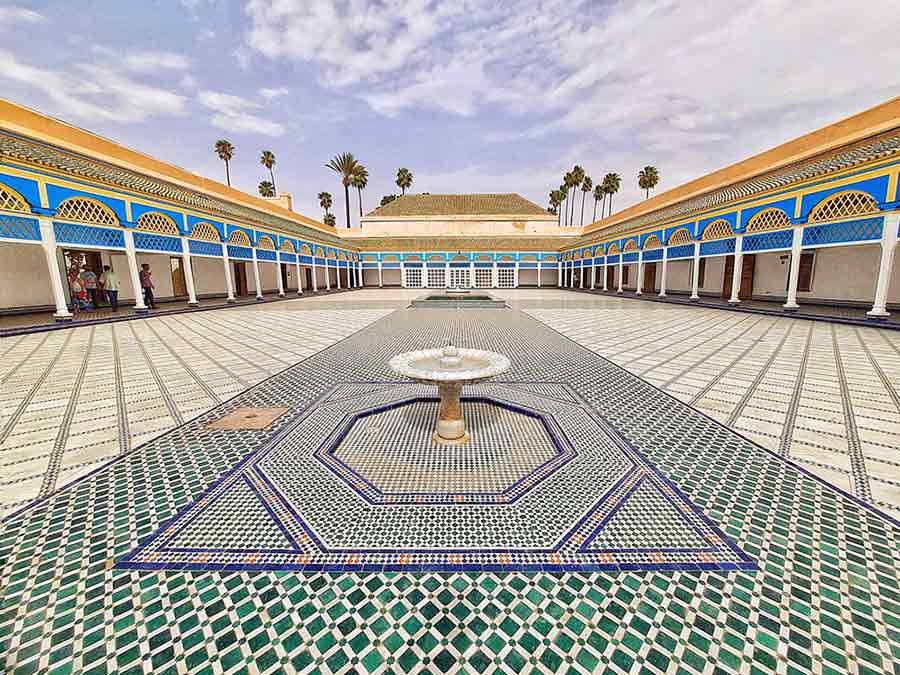
You can actually walk through the medina without being herded, take a photo without 12 people in the shot, and get into places like Bahia Palace without queueing behind a coachload of people wearing matching hats.
The souks are still chaotic – just not exhausting. You’ve got space to slow down, notice the details, and maybe even hold a conversation without being pushed into a spice cart. And in quieter months, your riad host might have more time for recommendations over mint tea that isn’t being served to 20 other guests.
If you hate crowds but still want energy, this is your window.
2. Better Accommodation Availability
One of the perks of travelling off-season? You’re not competing with every coach tour and last-minute long-weekender for a place to sleep.
I’ve booked beautiful riads in Marrakech days before arrival – something that’s borderline impossible in spring.
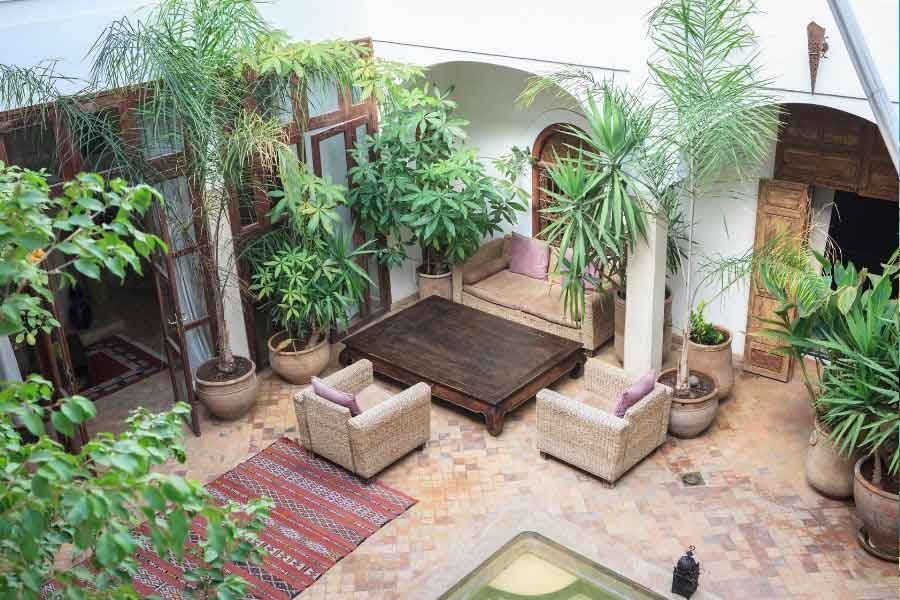
The places that are usually sold out months in advance suddenly have space, and you’re more likely to get the rooms with actual charm: rooftop views, tucked-away courtyards, and fewer neighbours. There’s no shortage of affordable places to stay, even right in the heart of the medina!
If you like to travel loose and book on the go, the winter months give you that breathing room. It’s also a better time to find more ethical stays – small, family-run riads or guesthouses that actually care about where your dirhams go.
3. Budget-Friendly Off-Peak Travel
One of the biggest perks of visiting Morocco in December, or any winter month, is how far your money goes.
Flights from Europe (especially Spain and France) are often absurdly cheap. I’ve flown return for under €40. Accommodation? Riads that are usually fully booked in spring often cost half as much and have availability days before.
Tours, taxis, hammams, everything tends to be cheaper. And because the pace is slower, you’ve actually got time to negotiate prices without being shoved aside by the next tour group.
If you’re not tied to Christmas or New Year, it’s the perfect cheap time to travel around Morocco. You can turn up in Marrakech with nothing booked and still land a great room, a decent meal, and a day trip, without blowing your budget or your patience.
4. Perfect Temperatures for Exploring
The heat in Morocco during summer isn’t just uncomfortable. It’s brutal. I’ve been in July and felt like I was being slow-roasted inside a tagine. Weather in Morocco in the winter, though? Way more forgiving.
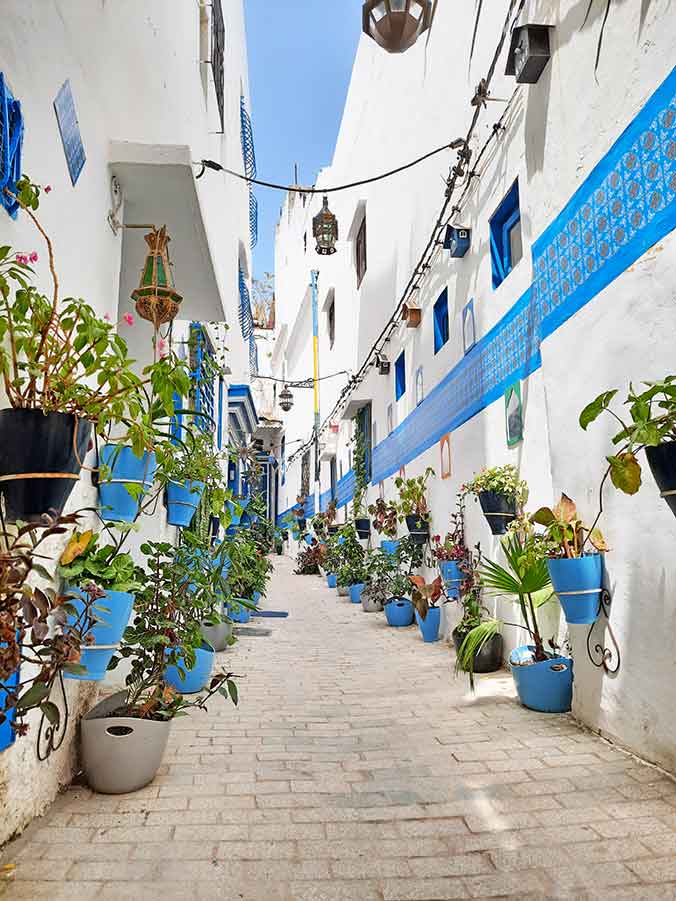
Daytime temperatures are perfect for exploring cities like Marrakech, and Places along the coast usually sit between 18–22°C (64–72°F), which means you can actually explore without constantly looking for shade or calculating how far it is to the next café with air con.
You can wander the medina without melting, hike to a kasbah without heatstroke, and still enjoy a rooftop tea without feeling like your shoes are going to fuse to the tiles.
Evenings cool down fast, especially inland, so pack a jacket, but overall, it’s the most practical season for getting things done without overheating.
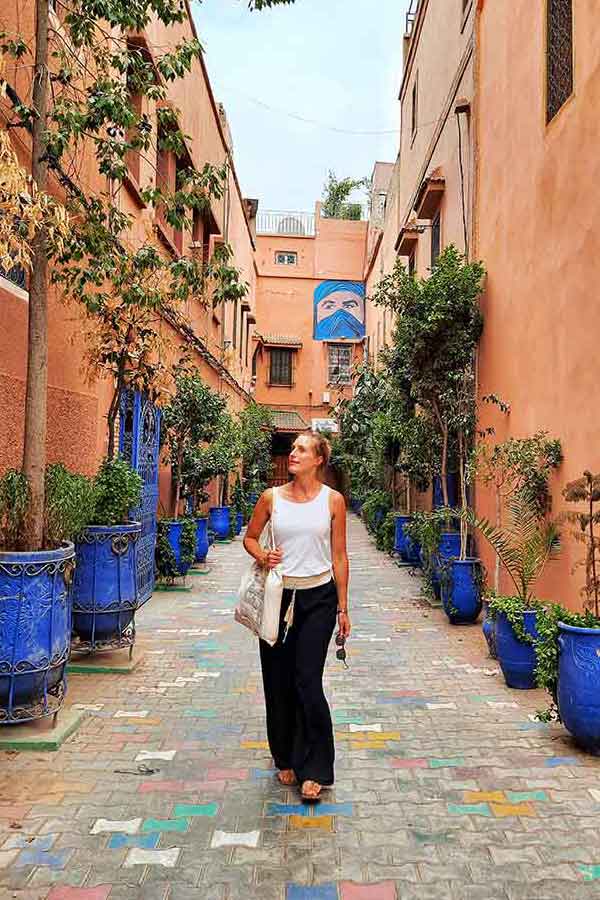
5. Easy Winter Sun Destination from Europe
If you’re in Europe and sick of grey skies, Morocco is one of the easiest places to chase the sun — no long-haul flight or expensive resort needed.
Flights from cities like Madrid, Lisbon, and Barcelona are short, cheap, and frequent. I can get to Marrakech faster than I can get back to the UK. If you’re travelling from southern Spain, you don’t even have to board a plane to get to Morocco!
The Morocco winter climate means actual warmth — not just “slightly less miserable.” It’s one of the few places where you can walk on the beach in the morning, hit the souks in the afternoon, and not spend the evening defrosting your feet.
You’re not stuck in a resort watching the weather app. You’re out, moving, and getting more out of winter than a vitamin D tablet.

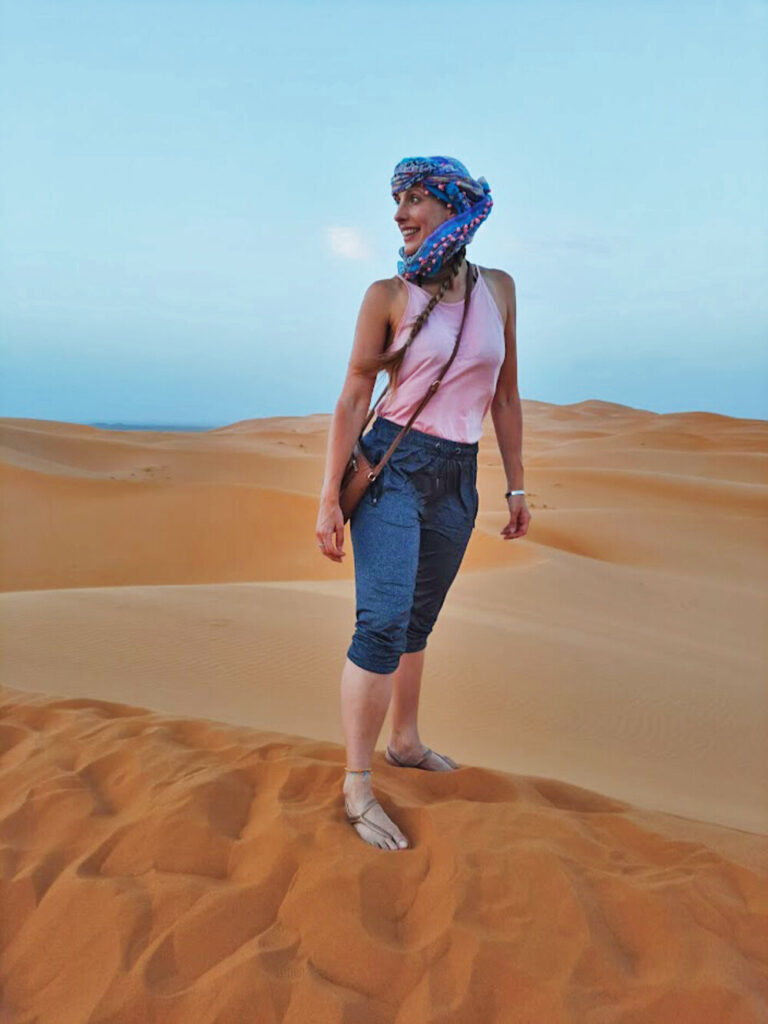
6. The Sahara Desert is Actually Bearable
The first time I went to the Sahara was in peak summer — by 10am, it was already edging into “too hot to function” territory. Never again. But the Sahara Desert in winter? Totally different story.
Daytime temps average around 20°C (68°F), which means you can actually do stuff — take 4×4 safaris, hiking, quad biking — without feeling like you’re baking in a sand oven. Nights do get cold, but between campfires and thick Berber blankets, it’s more cosy than miserable.
It’s also quieter. Fewer tourists means smaller groups and more room to enjoy the dunes without someone live-streaming it in the background. If glamping in the desert is on your list, this is when to do it.
👉 Insider tip: Some mountain passes slow down in winter — book desert tours ahead to lock in transport.
7. Celebrate Morocco’s Winter Festivals
There’s more to festivals in Morocco in winter than just a few lanterns and lukewarm tagine samples — some of the most culturally important events happen during the colder months.
In January, many Amazigh communities celebrate Yennayer — the Berber New Year — marking the start of the agricultural calendar. It’s not aimed at tourists, but if you’re in the right place at the right time, you might be invited to join in. Think traditional couscous, music, and a strong sense of community — not a packaged show.
Then there’s the Almond Blossom Festival in Tafraoute, usually in early February. The valley turns pink with blooms, and the town hosts a low-key but genuine celebration with folk dancing, local produce, and craft markets. No crowds, no tour buses — just an insight into how rural Morocco celebrates.
It’s a side of the country you won’t find in the brochures — or most guidebooks, for that matter.
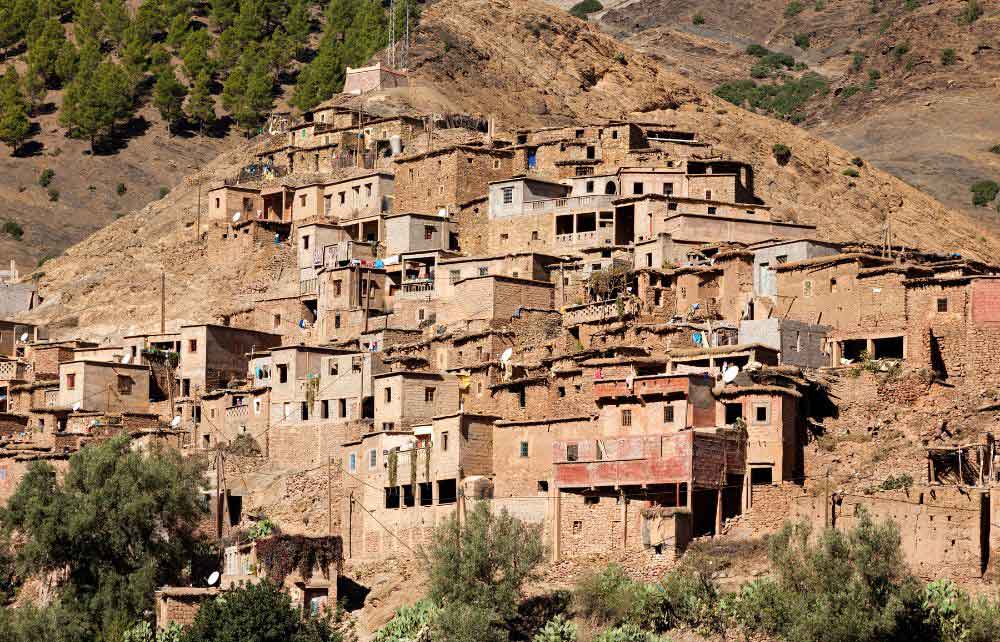
8. Winter is the Best Time for Slow Travel in Marrakech
Marrakech isn’t exactly a slow city — but Marrakech in December comes pretty close. The heat backs off, the crowds thin out, and you can actually take your time without feeling like you’re dodging elbows and scooters every five seconds.
This is when I enjoy the city most: warm mint tea in a quiet courtyard without sweating into the cushion (gross, but accurate), and time to actually taste the street food instead of rushing from stall to stall just to stay upright.
Winter’s also ideal for local hammams. You won’t be rushed, and being scrubbed down like a vegetable in a steam room somehow feels… restorative after a full day on your feet.
If you’re not sure how to dress, here’s my full guide on what to wear in Marrakech
👉 Money-saving tip: Skip the posh hammams and try a local one in winter — more authentic and half the price.
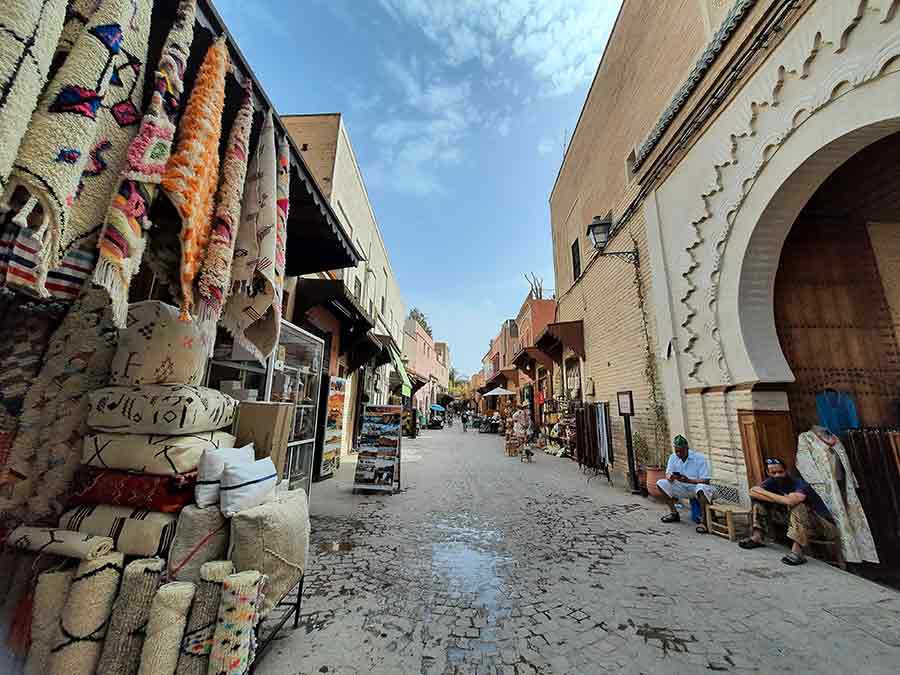
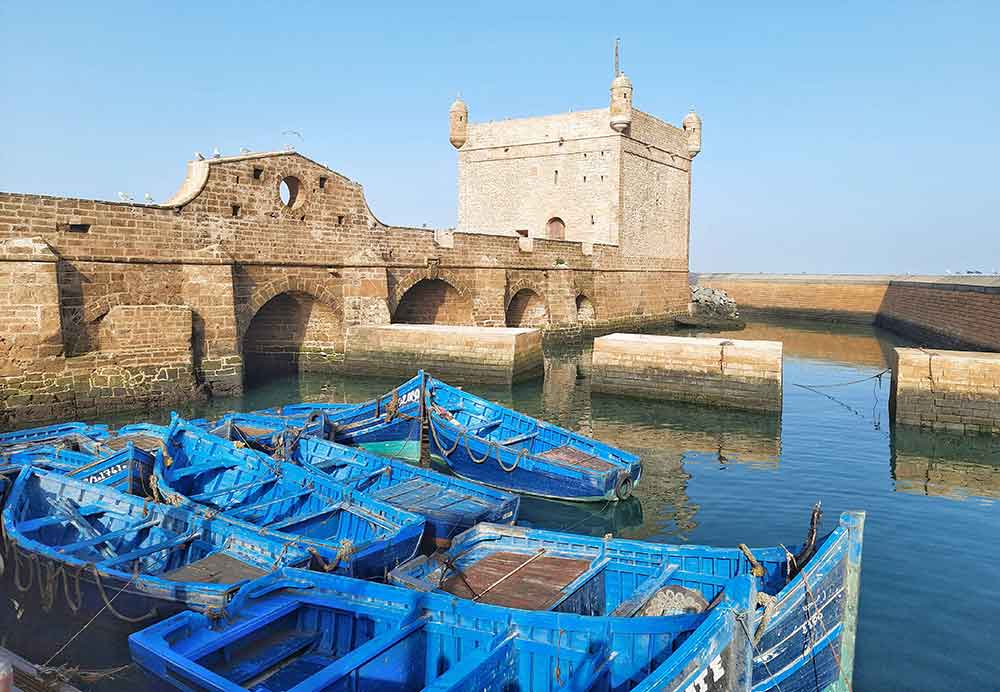
9. Coastal Chill in Essaouira
Essaouira is one of the few places in Morocco where you can genuinely switch off — and winter is the best time to do it. The temperatures stay mild, the Atlantic breeze takes the edge off, and the medina feels calm without being dead.
It’s compact, easy to navigate, and not trying to sell you something every five minutes. I’ve spent days here just wandering the city walls, dipping into local co-ops, or sitting in a café with a book and zero pressure to move.
If you’re wondering where to go in Morocco in December that offers a breather from the big cities, this is your spot. You still get that coastal energy, just without the crowds, noise, or overpriced tagines.
10. Hiking & Skiing in the High Atlas
If you like the idea of mountains without altitude-induced sunstroke, winter is the time to do it. The High Atlas in colder months is crisp, clear, and doesn’t smell like suncream and regret.
Trekking routes around Imlil are open year-round, and winter makes them a lot more enjoyable — fewer hikers, fewer flies, and no need to carry half your body weight in water. The snow line varies, but you’ll still get plenty of dry, sunny days for walking.
And yes, you can ski in Morocco. Oukaimeden — about 90 minutes from Marrakech — has a ski lift, rental gear, and actual snow between January and February. Don’t expect the Alps, but for a day on the slopes followed by a tagine and a heater that kind of works, it’s decent.
It’s not luxury. But it’s quiet, cool, and totally doable.
11. Ethical Off-Season Tourism Helps Locals
Travelling in Morocco outside the peak season isn’t just better for you — it’s better for the people who live there. Winter sees a drop in international visitors, which means a lot of small businesses feel the pinch.
If you’re staying in locally owned riads, buying authentic Moroccan souvenirs direct from artisans, or booking guides for hikes or medina tours, that money has a bigger impact in the off-season. Fewer crowds also mean you actually have time to talk to people, ask questions, and not feel like you’re part of a moving tour bus.
I’m not saying a winter trip is going to change the world — but if you’re already travelling, choosing the off-season is an easy win. You still get the experiences you want, and your money’s more likely to end up in the right hands.
12. Ideal for Solo Female Travellers
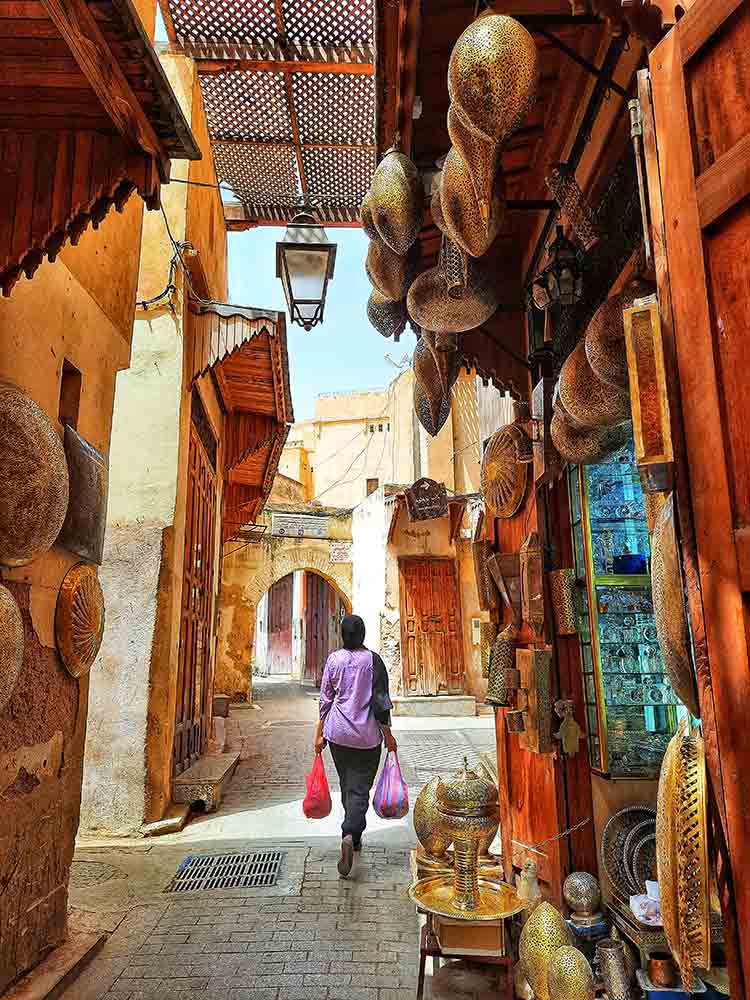
Morocco can be an intense place to travel solo — especially as a woman. But in winter, everything just feels a bit more manageable. The streets are less packed, the heat’s not overwhelming, and you’re not constantly dodging crowds or traffic just to cross the road.
I’ve found it’s easier to connect with locals during the quieter months — not because people are less busy, but because you’re not one of 10,000 tourists wandering around the medina. There’s time for small talk, space to explore, and way fewer moments of “I need to get out of here immediately.”
It’s still Morocco — so keep your usual solo travel common sense — but if you’re considering it, winter is honestly the best time to give it a go.

What to Wear in Winter in Morocco
Packing for Morocco in winter is all about layers. The days can be warm enough for t-shirts in the sun, but as soon as the sun dips — especially in the mountains — it gets properly cold. I’ve gone from sweating in Essaouira to shivering in the Atlas on the same trip.
Packing List for Winter in Morocco
Essential Clothing Tips
- Layer up: breathable base layers, long sleeves, jumper or fleece, and a lightweight jacket.
- Warm for the evenings: especially if you’re heading inland or into the mountains — it can drop below freezing.
- Windproof jacket: handy for coastal towns or high-altitude spots.
Modesty & Cultural Respect
- For women: Cover shoulders, cleavage, and legs — not just for respect, but to reduce hassle.
- Good picks: maxi skirts, loose trousers, long-sleeved tops, oversized scarves.
- No headscarf needed for female non-Muslim tourists, even inside the iconic Hassan II Mosque.
Footwear
- Trainers or hiking boots: for full days exploring or treks.
- Slip-ons or sandals: for hanging around your riad or navigating tiled hammams.
- Flip-flops: essential if you’re heading to a local hammam — floors are wet and usually slippery.
👉 Insider tip: Atlas nights get icy. I always pack gloves — even if it feels silly in the Marrakech sun.
Winter in Morocco FAQs
Is it worth visiting Morocco in the winter?
Yes, Morocco in winter is ideal if you want sunshine, fewer crowds, and cheaper prices. The weather is comfortable for exploring, and you can still enjoy cities, coastlines, and even the desert — without melting. It’s one of the best winter sun options close to Europe.
Where is the warmest place in Morocco in winter?
The warmest spots are usually along the southern coast — places like Agadir and the Sahara edge near Merzouga. These areas can reach 20–25°C (68–77°F) during the day. Marrakech also stays mild, especially in December and February, though nights can still get chilly.
Which month is coldest in Morocco?
January is generally the coldest month in Morocco, especially inland and in mountain regions like the High Atlas. Coastal cities remain milder, but you’ll want layers no matter where you go. Temperatures can drop below freezing at night in some areas, even with sunny days.
Does it snow in Morocco?
Yes, it does snow — mostly in the Atlas Mountains. Places like Oukaimeden even offer skiing in winter. Cities like Marrakech don’t see snow, but mountain villages and higher elevations can get heavy snowfall between December and February.
Planning to Visit Morocco in Winter? Here’s What to Read Next
Still on the fence, or ready to book? Whether you’re plotting your route, packing list, or just figuring out how to not sweat in a souk — these posts will help you make the most of it.
- Is Morocco safe? Find out what solo female travel in Morocco is really like.
- From glamping in the Sahara to coastal road trips — discover all the best things to do in Morocco.
- Not sure where to start? This 10-Day Morocco Itinerary covers the highlights (without burnout).
Have a question? then don’t forget to join our free Facebook Group and ask the community.
Want to discover more about Morocco? then check out these other great articles to find out more.
Morocco Travel Planning
- Where Is Morocco Located?
- Can You See Morocco From Spain?
- Best 10 Days Morocco Itinerary [Self-Guided]
- 14 Beautiful Cities in Morocco to Visit
- What to Wear in Morocco [Packing List]
- Complete Morocco Souvenir Buying Guide