
Is Spain Safe for Solo Female Travellers?
If you’ve been thinking about planning a solo trip to Spain but find yourself asking, “Is Spain safe for solo female travellers?” you’re not alone. It’s one of the most common questions I hear, and it’s a smart one to ask.
The short answer? Yes. Spain is one of the safest countries in Europe for women travelling alone.
I live here, and I’m constantly off on little solo city breaks to explore more of my new home country.
I’ve spent time in Barcelona, Madrid, San Sebastian, and beyond. I’ve walked side streets at night, hopped on trains solo, and even wandered into some questionable areas during a street art hunt in Bilbao. Nothing happened. I was absolutely fine. But it reminded me how much safety can vary from one block to the next, just like in any other city.
In this guide, you’ll find everything you need to plan your solo adventure with confidence. I’ll share practical safety tips, must-have apps, packing advice, comparisons with other European destinations, and my pick for the safest Spanish city (based on plenty of late nights and zero issues).

Meet Me In Departures contains affiliate links and is a member of the Amazon Services LLC Associates Program. If you make a purchase using one of these links, we may receive compensation at no extra cost to you. See our Disclosure Policy for more information.
How Safe Is Spain to Travel Alone?
According to the UN Office on Drugs and Crime, Spain ranks as the 6th safest country globally and 4th within the EU, with low violent crime and strict gun laws.
From my own experience living and travelling solo across Spain, I’ve always felt safe, even walking alone at night. Of course, like anywhere, it helps to stay aware and avoid sketchy areas, but those are easy to spot with a bit of planning.
Spain combines safety with sociability, making it one of the best choices in Europe for solo female travellers.
Safest Cities in Spain for Solo Female Travellers
One of the best things about travelling solo in Spain is how many cities feel safe, easy to navigate, and genuinely fun to explore on your own. Whether you’re into museums, tapas crawls, beach sunsets, or just wandering with your camera, there’s a city here that fits the mood.
Over the years, I’ve tested this out first-hand, from late-night metro rides in Madrid to beach walks in San Sebastian, and found that some cities just work especially well for solo female travellers.
Below are my top picks, chosen not just for safety but also for their vibe and how effortless they are to enjoy on your own.
1. Barcelona
Barcelona might be one of the most visited cities in Europe, but it’s also a solid choice for solo female travel.
Yes, pickpocketing happens (especially around Las Ramblas), but violent crime is rare, and the city’s public transport and walkability make it easy to navigate get around most of Barcelona’s main attractions.
I’ve walked through El Born after midnight without hassle; it still felt busy and social.

Planning Tip
I usually stay in Gràcia, Eixample, or El Born. These are some of the best places to stay in Barcelona as they’re safer, a bit more local, and packed with independent shops and cafés. The metro is fast, well-lit, and runs late; just avoid empty carriages at night.


2. Madrid
Spain’s capital, Madrid, is clean, well-organised, and incredibly solo-friendly.
The museums, parks, and tapas spots are all easy to explore without needing a travel buddy. There are a ton of things to see in Madrid, and a lot of the main attractions are centrally located.
For anything slightly outside of the centre, I make use of the excellent public transport. The metro is cheap, reliable, and straightforward, even if you don’t speak Spanish.
Two of my favourite areas to stay are Retiro or Chamberí. They are close to everything, safe, more residential, and within walking distance of the city centre.

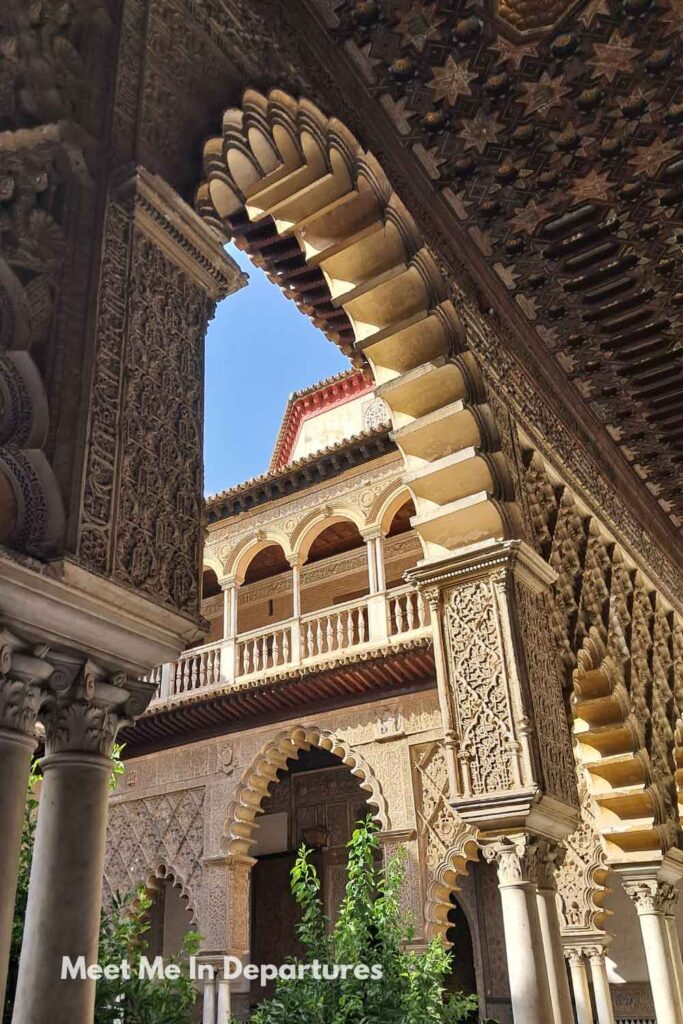
3. Seville
Seville is one of my favourite cities for solo travel (although I’m totally biased, because I live here).
Pretty much all of Seville’s tourist attractions are in a compact space, and the city is super manageable on foot. The locals are friendly, and there’s a relaxed pace to the city that makes you feel right at home. It’s especially welcoming for women travelling alone.
Two of the best areas to stay in Seville are either Santa Cruz, which is ideal if you want to be in the heart of the historic centre, or Triana, which has a more local, laid-back feel with great tapas bars just across the river.

4. San Sebastian
Located in the north, San Sebastian is small, safe, and classically stylish. It hasn’t lost it’s vintage-glamour of the 1800s.
The city is surrounded by green hills and sea views, and is a great spot if you’re into outdoor sports. There are tons of hiking trails, and a well-established surf culture here
The whole place has a relaxing feel to it, and the walkability of the city makes visiting all of San Sebastian’s top sights easy for solo explorers. It’s also one of the top destinations for foodies.
The Old Town is where everything happens, and this can get a little bit chaotic during evenings and weekends, but head over to some of the more residential areas, like Gros neighbourhood. This is also where you’ll find slightly more affordable places to stay.

Other Great Cities for Solo Female Travellers in Spain
Looking for alternatives beyond the big four?
These cities are also brilliant for solo adventures, each with its own unique vibe:
- Granada: Home to the Alhambra and a super walkable old town. It’s smaller, relaxed, and known for its friendly locals. I loved getting lost in Albaicín without ever feeling uneasy.
- Valencia: A lively coastal city with beaches, bike paths, and a buzzing food scene. It’s easy to get around solo, and cycling through the Turia Gardens is a must.
- Santander: A calm, clean coastal gem. Perfect for solo travellers who want quiet beaches, scenic walks, and less tourist traffic.
- Alicante: Bright and beachy with good transport. Just stay alert in busy spots like the esplanade, and you’ll be fine.
- Malaga: Full of museums, culture, and solo-friendly hostels. I found it super easy to meet other travellers here.

Scams & Tourist Traps to Avoid in Spain
Like most popular destinations, Spain isn’t completely scam-free.
While I’ve rarely had any issues myself, it’s good to be aware of a few common tactics, especially in tourist-heavy spots like Barcelona and Madrid.
Watch out for:
- Distraction scams: Someone might “accidentally” spill something on you or ask you to sign a petition while their friend picks your pocket.
- Fake friendship or flower sellers: A friendly stranger may try to hand you a rose or bracelet “as a gift,” then demand money.
- ATM helpers: Always cover the keypad and avoid anyone hovering while you withdraw cash.
- Taxis overcharging: Stick to official taxis with meters or use apps like Cabify or Free Now.
Safety Tip
Wherever I’m travelling, I only carry a small amount of cash and one debit card in my bag, and also switch off Google Pay, so if I get pickpocketed, I haven’t lost a mini-fortune. Keep extra money and a spare debit/credit card back at your accommodation.
Getting Around and Using Public Transport Alone in Spain
Spain’s transport network is brilliant for solo travellers. Whether you’re hopping on a metro, heading into the countryside, or planning a full-day adventure.
Here’s what to expect.
In the Cities
Madrid and Barcelona have bus and metro systems that are safe, clean, and easy to use.
Trains run often, stations are well lit, and signage is easy to follow with English language options on the self-service ticket machines.
If you don’t want to navigate the bus or metro, then cycling is another great way to get around. There are dedicated cycle lanes all across the city, and bike rental services, like the Sevici service in Seville.
Long-Distance Travel
Spain has an extensive train network, with the biggest network being Renfe’s AVE trains.
Trains are fast, reliable, and if you book ahead of time, very affordable. Train prices increase the closer you get to the departure date, so when you’re planning your trip to Sapin, and have locked in some dates, make sure you book these.
Cities are also well connected by bus, with Flexbus and ALSA being two popular options.
There are actually more service providers than the ones I’ve listed, so I always use Omio to check which network is operating the route and to compare times and prices.
Tickets & Navigation
The best way to buy tickets for long-distance travel is online.
For regional journeys, tickets are normally bought at station kiosks. Most cities also sell a travel card that covers buses and trains, and works out cheaper if you’re travelling around the area.
To figure out which bus and train to catch, I always recommend using Google Maps, which will show all the options.
Also, in smaller towns, check schedules in advance as rural services can be limited, especially on Sundays.
Good To Know
If you don’t have a local travel card, then it’s useful to keep a few Euros in cash for use on regional transport. Not all buses accept debit card payments.

Accommodation Safety Tips for Solo Female Travellers
Whether you’re into boutique hostels or comfy hotels, there are ways to boost your safety (and peace of mind) as a solo guest.
Booking tips
- Read reviews carefully. I always search for keywords like “safe,” “female traveller,” or “solo.”
- Choose places with 24/7 reception and good lighting at night.
- For hostels, opt for female-only dorms or private rooms if your budget allows.
Once you’re there
- Use a portable door lock or wedge alarm for hotel rooms.
- Keep valuables in a lockable backpack or pouch, not under your pillow.
- If you’re nervous at night, ask reception to call a taxi
- Ask the female staff at your accommodation for any places to avoid going
Safety Tips for Solo Female Travellers in Spain
Here’s your grab-and-go guide. Feel free to screenshot it.
Useful Apps
Emergency Info

How Does Spain Compare to Other European Countries for Solo Safety?
If you’re weighing up where to go in Europe for your first (or next) solo trip, Spain ranks up there with the best, especially for women travelling alone.
But, how safe is Spain for women when it’s stacked up against popular neighbours like France, Italy, and Portugal?
Safety Statistics at a Glance
According to the 2024 Numbeo Safety Index (a crowdsourced global database of perceived safety):
- Spain ranks #32 globally with a safety score of 65.3
- Portugal ranks higher at #9 with a score of 72.5
- France scores 52.2, placing it at #60
- Italy comes in at 56.3, ranking #51
Spain is considered significantly safer than France or Italy, especially in terms of street crime and overall perception of personal safety, though Portugal still has a slight edge overall.
Personal Experience: Safety by Vibe
- Spain: I’ve walked alone at night in Seville, Barcelona, and Madrid and rarely felt uneasy. People are out late, the streets are lively, and harassment is minimal, especially compared to other major European cities.
- Portugal: One of the few places where I’ve felt even safer than in Spain. Lisbon and Porto have a calm, respectful energy and great public infrastructure. Bonus: very few scams or street sellers.
- Italy: I love Italy, but certain places (Rome, Naples, even parts of Florence) can be intense. Expect a bit more catcalling, especially in touristy areas.
- France: Paris is beautiful, but it can be hit or miss. I’ve had more uncomfortable moments there, ranging from aggressive metro encounters to frequent scam attempts around major landmarks.
So, How Does Spain Compare?
Spain really hits the sweet spot. It has the confidence and buzz of a big destination, without the edge that sometimes comes with places like Rome or Paris. It has affordable public transport, low violent crime rates, and cities that feel safe to walk around.
Spain is safe, sociable, and structured well for solo travellers, especially women.

Solo Female Travel in Spain FAQs
is spain safe for women?
Yes, Spain is one of the safest countries in Europe for solo female travellers. It has low violent crime, great public transport, and a friendly, social culture that makes solo exploration enjoyable and stress-free.
What cities are safest in Spain for solo travel?
Top cities include Seville, San Sebastian, Madrid, and Valencia. Each offers reliable transport, friendly locals, and safe neighbourhoods.
Is public transport safe in Spain at night?
Yes. Trains, metros, and buses are generally safe, even after dark. Avoid empty carriages, sit near other passengers, and keep your belongings secure.
Should I stay in a hotel or hostel when travelling solo?
Both are good options. For extra comfort, choose a hotel or a hostel with female-only dorms and positive solo traveller reviews.
Are scams common in Spain?
Scams like pickpocketing and distraction theft can happen in touristy areas. Stay aware, keep your valuables close, and don’t engage with street vendors offering “gifts.”
Can I use my phone and data easily in Spain?
Yes, EU roaming makes it easy if you’re from Europe. Otherwise, grab an affordable local SIM or eSIM for seamless access.
Planning a Solo Trip to Spain?
Spain is one of those places that just works for solo travel. It’s safe, sociable, and easy to navigate, and everything feels more enjoyable when you move at your own pace. Whether you’re getting lost in Seville’s backstreets or watching the light change in San Sebastián, travelling alone here feels natural rather than daunting.
You still need a bit of common sense and a loose plan, but Spain makes solo travel feel straightforward. With decent transport, helpful locals, and plenty of places where eating alone is normal, it’s hard to feel out of place.
Living in Spain has let me explore everything from major cities to quiet villages, and it’s honestly one of the easiest and most rewarding countries to travel on your own.
If you’ve been thinking about going solo, take this as your nudge. Pick a starting point, pack light, and start planning. Spain will meet you there.
What to do next
- Read my solo-friendly city guide to choose where to start
- Download my free minimalist Spain packing checklist
- Explore my ready-made Spain itineraries if you want the planning done for you
Have a question? then don’t forget to join our free Facebook Group and ask the community.
Want to discover more about Spain? then check out these other great articles to find out more.
General Spain Travel
- Ultimate 10 Days In Spain Itinerary
- 2 Week Spain and Portugal Itinerary
- How Many Days Should I Spend in Spain and Portugal?
- 50+ Best Experiences for Your Spanish Bucket List
- 38 Most Famous Landmarks in Spain
- Can You See Morocco From Spain?
Andalucia and South Spain
- Southern Spain Itinerary: Best 7 Days in Andalucia
- Local’s Guide To Seville in 3 Days
- 35+ Top Things To Do In Seville
- 23 Best Day Trips From Seville, Spain
- How to Do A Seville to Cordoba Day Trip
- Where Is the Nearest Beach to Seville?
- How To Spend One Day in Granada
- Best 2 Days in Granada Itinerary
- The Best Cordoba in One Day Itinerary
- 5 Places for the Best Glamping in Spain’s Southern Coast
Barcelona
- 32 Best Things to Do in Barcelona, Spain
- Barcelona 5 Day Itinerary for First-Time Visitors
- Should You Visit Barcelona or Lisbon?
- Montserrat Day Tour With Tapas and Wine From Barcelona
Madrid And Surrounding Area
- Is Madrid Worth Visiting?
- 28 Best Things to Do in Madrid, Spain
- Best Madrid 2 Day Itinerary By A Local!
- 30 Things to Do In Winter in Madrid
- Madrid vs Lisbon Comparison Guide
- How to Visit Segovia From Madrid in a Day
- A Day Trip to Toledo from Madrid
Basque Country and North Spain
- An Epic 5 Days Road Trip in Aragón Itinerary
- 15 Best Things to Do in Aragon, Spain
- Is Zaragoza Worth Visiting? Everything You Need To Know
- The Best Things to See in Zaragoza, Spain
- Is San Sebastian Worth Visiting? The Pros and Cons
- San Sebastian Food Tour Review With Devour Tours
- Is Bilbao Worth Visiting? 12 Reasons To Visit Bilbao