
Worst Time to Visit Spain: What to Know & Avoid
If you’re planning a trip, knowing when the worst time to visit Spain is can save you from inflated prices, jam-packed streets, and weather that doesn’t match the postcards. Spain is incredible year-round, but every season comes with its own challenges.
It’s just as important to know when not to visit Spain — like festival weeks where a city doubles in size overnight, or August when the beaches are so crowded it’s hard to find a patch of sand.
In this guide, I’ll take you through Spain’s climate month by month, highlight the biggest festival surges such as Semana Santa, and break it all down regionally — from Barcelona’s rainy winters to beach towns overflowing in August. I’ll also share whether winter is actually worth visiting.

Meet Me In Departures contains affiliate links and is a member of the Amazon Services LLC Associates Program. If you make a purchase using one of these links, we may receive compensation at no extra cost to you. See our Disclosure Policy for more information.
A Quick Look: When Not to Visit Spain
If you’re still in the planning stages, here’s a snapshot of the times to avoid visiting Spain:
- Mid-April (Semana Santa), especially in Andalusia – Seville practically shuts down, streets are impassable, and accommodation prices soar.
- July–August, particularly inland (Seville, Madrid) – blistering heat combines with peak beach season, making sightseeing uncomfortable and coastal towns overcrowded.
- Late February to March in the north – heavy spring rain means grey skies and soggy sightseeing in regions like Galicia and the Basque Country.
- Late December to early January (Christmas & Epiphany) – festive atmosphere, but expect packed cities, higher prices, and overbooked bus and train services.
What is the Off-Season in Spain?
The off-season in Spain usually runs from mid-November to mid-March, except Christmas and New Year, when prices jump and cities feel busier again. Outside of that festive pocket, things slow right down — which is exactly why I love it.
This is the time when you’ll find cheaper hotels, quieter streets, and shorter lines at Spain’s biggest attractions. You won’t get that summer buzz on the beaches (many chiringuitos shut completely), but you will get a side of Spain that feels a lot more local.
Weather-wise, expect cold nights in Madrid and Granada, and plenty of rain if you’re heading north to Galicia or the Basque Country.
Meanwhile, Andalusia stays mild enough for sightseeing, and the Canary Islands are your safe bet if you want to find proper winter sun in Spain.


What’s the Most Crowded Month to Visit Spain
Tourism in Spain runs on a very clear rhythm — and when it’s busy, it’s really busy.
The beach regions and festival cities are the biggest culprits, with July and August alone soaking up nearly a third of all overnight stays in European coastal destinations. No surprise then that these two months are the ones to avoid if you hate crowds and sky-high prices.
Additionally, Spain is on track to welcome around 85 million visitors in 2025, which will put more pressure on trains, hotels, and already crowded plazas.
When exactly does it all get overwhelming? Here’s a look at the busiest times to visit Spain, based on tourist numbers and the country’s biggest cultural events:
July & August (Summer Peak)
- Coastal areas — including the Balearic Islands and Canary Islands — see huge influxes of international visitors. In fact, the Canary Islands alone welcomed over 16 million visitors in 2023.
- Inland cities like Madrid, Seville, and Granada are scorching hot, with daytime highs above 35 °C and popular attractions packed to the brim.
Mid-April (Easter + Feria de Abril in Andalusia)
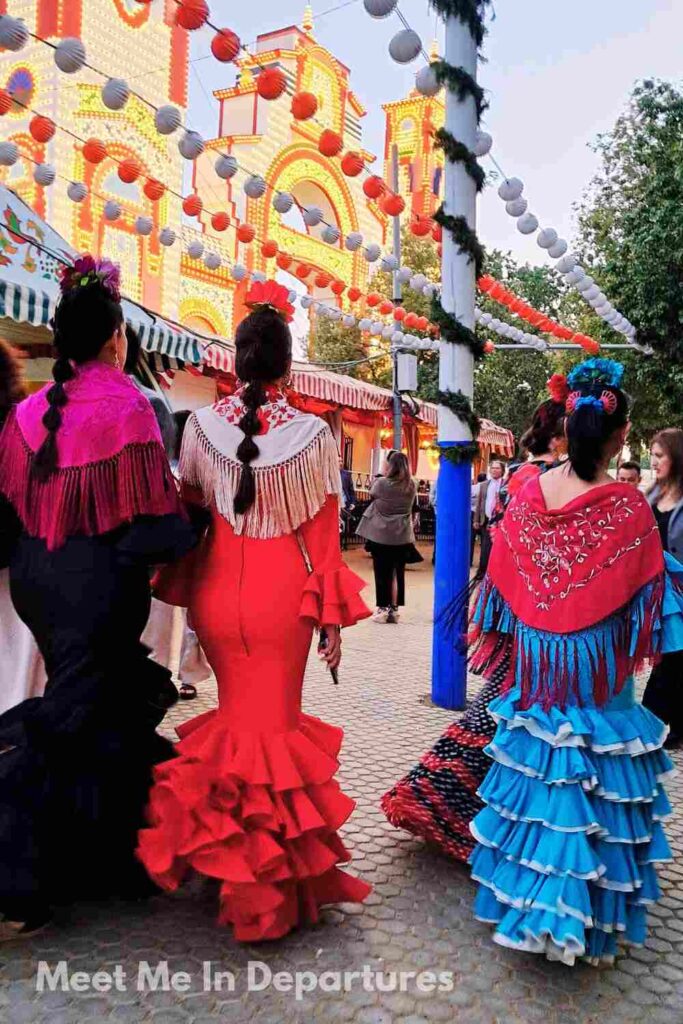
- During Semana Santa (Holy Week), cities like Seville can feel overrun — the population effectively doubles, hotel prices spike, and streets become near-impossible to navigate.
- Just two weeks later, Feria de Abril kicks off, drawing an estimated 5 million attendees for flamenco, fairgrounds, and city-wide celebrations.
Late December – Early January (Christmas & Epiphany Week)
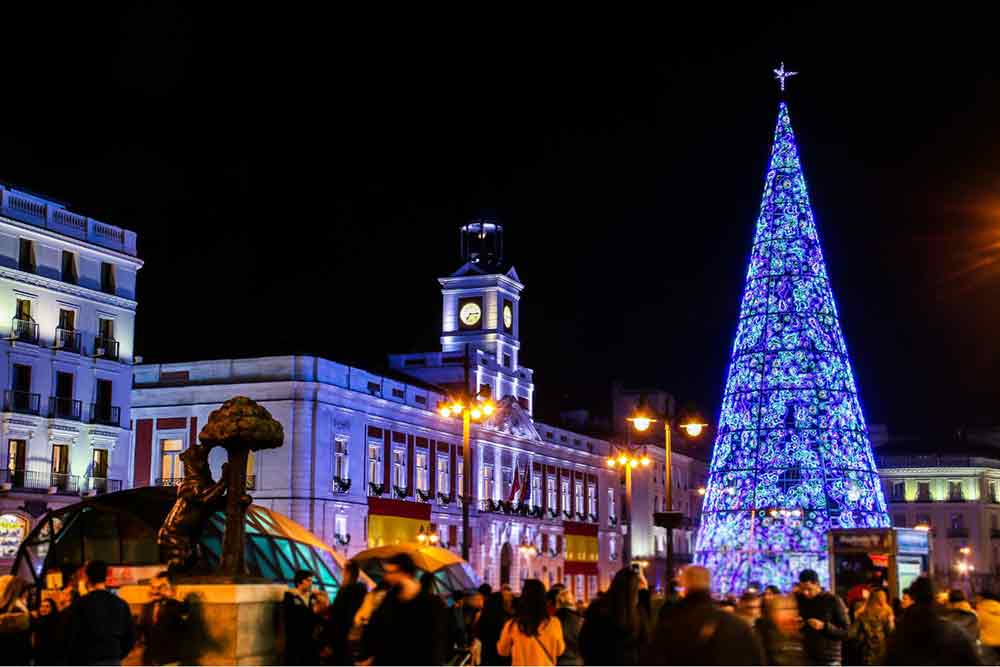
- From sparkling streets to Christmas markets, winter in Madrid (and places like Barcelona and Seville) feels extra special — but it’s also peak season, so be prepared for higher costs on flights and accommodation

Worst Time to Visit Spain by Destination
❗ Worst Time to Visit Barcelona
- November – the rainiest month (~75 mm). Grey skies and damp days make sightseeing less enjoyable.
- August – hot (~29 °C average) and heaving with tourists. Expect long queues and busy beaches.
- Winters in Barcelona are mild (~8 °C in January) but wetter, while summers are warm and pleasant — just be ready for the crowds in peak season.
✔️ Best Time to Visit Barcelona: May or October – warm enough for exploring, lighter crowds, and better value accommodation.
Key Festivals in Barcelona:
- La Mercè (late September) – Barcelona’s biggest street party. Expect parades, fireworks, human towers, and packed streets, especially in the Gothic Quarter.
- Sant Jordi’s Day (23 April) – A Catalan celebration of books and roses. Not disruptive, but crowds flood La Rambla and central bookshops.
❗ Worst Time to Visit Madrid
- July–August – scorching heat (often 35 °C+) makes city sightseeing tough, and the big museums can feel packed.
- October is usually the wettest month (~46 mm of rain). Winters are crisp, with January–February averaging around 4.8 °C — chilly enough to need layers, and you might find the odd closure.
✔️ Best Time to Visit Madrid: Late April to early June, or September – warm but comfortable weather, fewer crowds, and a much better pace for exploring.
Key Festivals in Madrid:
- San Isidro (around 15 May) – Madrid’s patron saint celebrations bring concerts, parades, and lively gatherings, especially around Las Vistillas and Plaza Mayor.
- Madrid Pride (late June – early July) – One of Europe’s biggest Pride festivals. Expect Chueca and Gran Vía to transform into buzzing party zones with huge crowds and street closures.
❗ Worst Time to Visit Seville
- April – Two major festivals happen just weeks apart – incredible to witness, but expect extreme crowding, closed streets, and sky-high accommodation prices.
- July–August – scorching highs of 35–40 °C make daytime exploring uncomfortable.
- December is the wettest month (~77 mm of rain). Seville’s winter is mild (around 10.°C in January), while summers are intensely hot.
✔️ Best Time to Visit Seville: March or October – warm, sunny, and full of atmosphere without the overwhelming festival crowds or summer heat.
Key Festivals in Seville:
- Semana Santa (Holy Week, April) – Immense religious parades fill the streets. The atmosphere is unforgettable, but hotel prices soar.
- Feria de Abril (April) – Seville’s biggest fair, drawing over 5 million people. Expect vibrant costumes, flamenco, food, and plenty of late-night celebrations — but also traffic chaos and packed hotels.
- Corpus Christi (May–June) – A smaller but traditional event with religious processions and some street closures, mainly near the Cathedral.
❗ Worst Time to Visit Valencia
- March – Las Fallas takes over the city. An unforgettable spectacle, but the fireworks, smoke, and huge crowds make it intense, while hotel prices shoot up.
- March is cooler but dominated by noise, firecrackers, and fireworks at all hours. Expect smoky air and street closures throughout the festival period.
✔️ Best Time to Visit Valencia: May or September – warm, sunny weather with far fewer crowds and more affordable accommodation.
Key Festivals in Valencia
- Las Fallas (March) – Valencia’s most famous celebration. Giant papier-mâché sculptures (fallas) fill the streets, and each night ends with spectacular displays of fire and fireworks. The city is electric, but also chaotic and pricey.
❗ Worst Time to Visit San Sebastián
- Mid-August – Semana Grande brings a week of fireworks, concerts, and Basque festivities. Amazing energy, but the city fills with partygoers, beaches are crowded, and hotel prices spike.
- January is cool and grey, while August is sunny and vibrant — but expect peak-season crowds.
✔️ Best Time to Visit San Sebastián: Late May or early September – warm enough for the beach, but with a calmer atmosphere and more availability.
Key Festivals in San Sebastian:
- Tamborrada (20 January) – A full day of drumming parades to honour the city’s patron saint. Not hugely disruptive, but if you’re staying in the Old Town, expect it to be loud.
- Semana Grande (mid-August) – A lively summer festival with nightly fireworks, cultural events, and traditional sports. Exciting, but accommodation is scarce and expensive.
❗ Worst Time to Visit Málaga
- Mid-August – Feria de Agosto transforms the city into a week-long party. Expect loud music, late nights, and crowded streets. Great if you’re there for the celebration, overwhelming if you’re not.
- Summers are hot, though the coastal breezes make it more bearable than inland Andalusia. During Feria week, however, the city is especially noisy and busy.
✔️ Best Time to Visit Málaga: May or mid-September – sunny and warm, perfect for the beach and sightseeing without the intensity of peak summer crowds. Malaga is also one of the best places to find winter sun in Europe if you want to escape the grey skies of northern Europe.
Key Festivals in Malaga:
- Feria de Agosto (mid-August) – One of Andalusia’s biggest fairs, with flamenco, processions, and street parties running day and night. Accommodation fills up quickly, and the city centre is impossible to avoid the festivities.
❗ Worst Time to Visit Spain for Beaches
- July–August – the peak of summer brings packed beaches, sky-high hotel prices, and limited availability. If you’re dreaming of quiet coves or peaceful sunbathing, this is when you’ll struggle to find it.
- Expect hot, dry weather (30 °C+), with perfect sea temperatures — but you’ll be sharing the sand with what feels like half of Europe.
✔️ Best Time to Visit: May–June or September–October – the sea is warm enough for swimming, the weather is still gorgeous, and you’ll find fewer crowds along with better accommodation deals.

Festival Impact Calendar: Major Events by City and Month
Below are the major city festivals in Spain by month, complete with a disruption level and insider travel tip for each one.
| City | Festival | Month | Disruption Level | Insider Tip |
| Barcelona | La Mercè | September | 🔴 Severe | Avoid the Gothic Quarter during La Mercè unless you love crowds. |
| Barcelona | Sant Jordi’s Day | April | 🟠 Medium | Expect packed streets along La Rambla and bookshop areas. |
| Madrid | San Isidro | May | 🟠 Medium | Stick to the centre early in the day to avoid crowds at Las Vistillas. |
| Madrid | Madrid Pride (Orgullo) | Late June–July | 🔴 Severe | Chueca and Gran Vía are packed — book well in advance. |
| Valencia | Las Fallas | March | 🔴 Severe | Hotel prices spike and streets close for fireworks and parades. |
| Seville | Semana Santa | April | 🔴 Severe | Book months ahead and avoid driving in the city centre. |
| Seville | Feria de Abril | April | 🔴 Severe | Accommodation fills up fast, and the whole city celebrates. |
| Seville | Corpus Christi | May–June | 🟢 Minor | Expect processions and street closures near the Cathedral. |
| Granada | Día de la Toma | January | 🟢 Minor | Mainly symbolic; minor traffic disruption possible. |
| Granada | Corpus Christi | May–June | 🟠 Medium | Granada’s biggest fair—expect late-night noise and crowds. |
| Bilbao | Aste Nagusia (Semana Grande) | August | 🔴 Severe | Book accommodation early—this Basque party lasts 9 days. |
| San Sebastián | Semana Grande (Aste Nagusia) | August | 🔴 Severe | Beachfront fireworks and parties draw large crowds. |
| San Sebastián | Tamborrada | January | 🟠 Medium | 24 hours of drumming — fun but loud if you’re staying centrally. |
| Málaga | Feria de Agosto | August | 🔴 Severe | City centre becomes a party zone; hard to avoid the action. |
Spain Weather by Month: What to Expect
Spain’s climate changes a lot depending on where you are. From chilly, rainy winters up north to hot, dry summers in the south, it’s a good idea to check the typical weather for each region before planning your trip.
Here’s a quick look at the coldest, hottest, and rainiest months in four popular Spanish cities.
Is Winter in Spain Worth It?
Winter in Spain might not sound like the obvious choice — especially if you’re dreaming of beaches and sun-soaked plazas — but it can actually be a brilliant time to visit.
The experience varies wildly by region, so your destination plays a huge role in whether winter is “worth it” for your kind of trip.
✅ Pros of Visiting Spain in Winter
- Lower prices across the board. Flights, accommodation, and even entrance fees to some attractions tend to be cheaper. You can often find last-minute deals, especially in smaller cities and towns.
- Fewer tourists. Major attractions like the Alhambra, Sagrada Família, or the Royal Palace in Madrid are far less crowded, making it easier to appreciate them without queuing for hours or fighting for space.
- Perfect for culture lovers. With the cooler temperatures, winter is ideal for soaking up Spain’s museums, galleries, and tapas culture — especially in cities like Seville, Málaga, and Madrid.
- Mild weather in the south. Andalusian cities like Málaga, Córdoba, and Seville typically see daytime temperatures between 12–18 °C, and sunshine is still common.
- Seasonal beauty. Orange trees in bloom, Spain’s snow-capped mountains, and quiet city streets create a very different trip.
👉 Insider tip: “I love exploring southern Spain in January — it’s mild, the orange trees are in bloom, and I often get whole ruins to myself.”
❌ Cons of Visiting Spain in Winter
- Cold inland temperatures. Cities like Madrid and Granada can drop to freezing or just below at night, and heating in older buildings is sometimes inconsistent.
- Northern regions are very wet. Galicia, Cantabria, and the Basque Country experience heavy rainfall and grey skies. For example, Vigo and Santiago de Compostela average over 1,700 mm of rain annually — much of it falling between November and January.
- Limited daylight hours. Expect sunrise around 8:30 am and sunset as early as 6:00 pm, especially in December and January.
- Reduced access to some experiences. Seasonal attractions, beach bars (chiringuitos), and rural accommodations may close entirely until spring. Ferries to smaller islands may run reduced schedules.
- Festive periods = price spikes. Christmas, New Year, and Epiphany (until 6 January) are exceptions to the budget rule — expect higher prices and limited public transport around these dates.
When is Off-Season in Spain?
The off-season in Spain generally runs from mid-November to mid-March, except for the Christmas and New Year holidays. This is when international tourism slows right down, particularly outside of the bigger cities and ski areas.
The shoulder seasons — roughly late April to early June and late September through October — aren’t quite off-season, but they do bring fewer tourists, better deals, and more comfortable weather.
Why Travel During Spain’s Off-Season?
- More meaningful experiences. You’ll get a better feel for daily life — from relaxed café chats with locals to having a museum room all to yourself.
- Ideal for city breaks. If you’re into tapas, history, architecture, and urban wandering, this is your time. No sweat (literally).
- Flexible travel. You don’t need to book every hotel weeks in advance or stress about popular attractions being sold out.
- Winter sun potential. Southern Spain often delivers sunny, mild days even in January — making it a solid escape from northern Europe’s gloom.

FAQ: Common Questions About When to Avoid Spain
What is Spain’s rainiest month?
Northern regions like Galicia and Cantabria experience their highest rainfall in December or January, with annual totals between 1,000–2,000 mm. Southern cities such as Seville see December as the wettest month (~77 mm).
When is the most crowded time to visit Spain?
The July–August summer peak and Semana Santa in April attract the largest crowds—especially in Andalusia, coastal towns, and big cities like Madrid, Barcelona, and Valencia.
Is it worth visiting Spain in winter?
Absolutely, especially if you prefer fewer tourists and lower costs. Southern areas stay mild, but central and northern parts can be cold and rainy—so pack layers and plan indoor activities.
What are the hottest months in Spain?
July and August regularly see daytime highs above 35 °C in cities like Madrid and Seville, which can make sightseeing physically demanding.
When do prices spike in Spain?
Accommodation and travel costs soar during Semana Santa, July–August, and the December holiday season (Christmas through Epiphany). Room rates and festival seating often double or triple during these times.
Now You Know the Worst Time to Visit Spain — What’s Next?
Now you know the worst time to visit Spain, it’s time to focus on when to actually book your trip. A quick recap:
- Skip Semana Santa and August unless you’re going for the festivals themselves — both mean huge crowds and higher prices.
- Winters in the north are wet and grey — pack waterproofs if that’s on your itinerary.
- May and October hit the sweet spot with warm weather, lighter crowds, and better value.
👉 Want to plan smarter? These guides will help you figure it out:
- Best Time to Visit Spain – Month by Month
- What to Wear in Spain by Season
- Festivals in Spain Worth Travelling For
- Spain in Winter: Where to Go and What to Expect
Or dive into city-specific tips:
- Barcelona Travel Tips
- Seville in Spring – Worth the Crowds?
- Madrid on a Budget – When to Go and What to Do
Have a question? then don’t forget to join our free Facebook Group and ask the community.
Want to discover more about Spain? then check out these other great articles to find out more.
General Spain Travel
- Ultimate 10 Days In Spain Itinerary
- 2 Week Spain and Portugal Itinerary
- How Many Days Should I Spend in Spain and Portugal?
- 50+ Best Experiences for Your Spanish Bucket List
- 38 Most Famous Landmarks in Spain
- Can You See Morocco From Spain?
Andalucia and South Spain
- Southern Spain Itinerary: Best 7 Days in Andalucia
- Local’s Guide To Seville in 3 Days
- 35+ Top Things To Do In Seville
- 23 Best Day Trips From Seville, Spain
- How to Do A Seville to Cordoba Day Trip
- Where Is the Nearest Beach to Seville?
- How To Spend One Day in Granada
- Best 2 Days in Granada Itinerary
- The Best Cordoba in One Day Itinerary
- 5 Places for the Best Glamping in Spain’s Southern Coast
Barcelona
- 32 Best Things to Do in Barcelona, Spain
- Barcelona 5 Day Itinerary for First-Time Visitors
- Should You Visit Barcelona or Lisbon?
- Montserrat Day Tour With Tapas and Wine From Barcelona
Madrid And Surrounding Area
- Is Madrid Worth Visiting?
- 28 Best Things to Do in Madrid, Spain
- Best Madrid 2 Day Itinerary By A Local!
- 30 Things to Do In Winter in Madrid
- Madrid vs Lisbon Comparison Guide
- How to Visit Segovia From Madrid in a Day
- A Day Trip to Toledo from Madrid
Basque Country and North Spain
- An Epic 5 Days Road Trip in Aragón Itinerary
- 15 Best Things to Do in Aragon, Spain
- Is Zaragoza Worth Visiting? Everything You Need To Know
- The Best Things to See in Zaragoza, Spain
- Is San Sebastian Worth Visiting? The Pros and Cons
- San Sebastian Food Tour Review With Devour Tours
- Is Bilbao Worth Visiting? 12 Reasons To Visit Bilbao