
Where’s the Warmest Place in Spain in Winter? Find Out Here
If you’re over winter already and just want some sun, Spain is a solid shout. The only problem is that the warmest place in Spain in winter does not have one simple answer, and microclimates make a bigger difference than most people expect.
Growing up in the UK, I did my time with cold, damp, grey winters, and I’m a sunshine girl at heart. So when I moved to Spain, I assumed winter would be easy mode everywhere.
Nope. Winter in Spain varies a lot.
Some northern regions stay cool and wet, and honestly, they are not that different from the UK. Meanwhile, the south coast and the Canary Islands can serve up bright days that feel much more like spring.
Because I live in Spain, I’ve spent multiple winters travelling around these regions, so this list is based on what actually feels warm in real life, not just what looks good on a weather app.
In this guide, I’ll break down the warmest destinations, compare the key cities for December to February, and share practical advice like what to pack and how to make more thoughtful choices as a winter visitor.
Meet Me In Departures contains affiliate links and is a member of the Amazon Services LLC Associates Program. If you make a purchase using one of these links, we may receive compensation at no extra cost to you. See our Disclosure Policy for more information.
What’s Winter in Spain Really Like?
If your idea of winter is endless rain, heavy coats, and grey skies, winter in Spain can feel like a bit of a reset. The big thing to know is that the weather changes a lot depending on where you are.
Some regions stay mild and sunny, while others are cooler, wetter, and a lot closer to UK winter vibes than you might expect: San Sebastian and Bilbao, I’m looking at you!
Even in Seville, I’ll start the day in layers and end up carrying my jacket by lunchtime, then needing it again the moment the sun goes down.
Whether you’re visiting in December for the festive season, planning a quick solo break to top up your Vitamin D, or you just want an easier time exploring without the summer heat, it’s definitely not one-size-fits-all.
Northern Spain: Cool and Damp
Regions like Galicia and the Basque Country lean into classic winter weather. Expect cooler daytime temperatures (around 10 to 13°C / 50 to 55°F) and a higher chance of rain and cloud.
It’s still gorgeous, and the food scene alone is worth the trip, but if you’re chasing sunshine, this isn’t where I’d start. Bring a warm, waterproof jacket and set expectations accordingly.
Southern Spain: Crisp Mornings, Sunny Afternoons
In Andalusia and along the southern coast, it’s much more about bright blue skies and sunny afternoons, with average highs around 17 to 20°C / 63 to 68°F. I’ve spent plenty of days here sitting outside with a café con leche and sunglasses on. Just remember it cools off quickly after sunset, so pack layers and a warm jacket for evenings.
This is also a lovely time of year to explore southern Spanish cities without overheating. Temperatures are comfortable for walking around all day, and the cities feel lively without being chaotic. You can take your time with the cultural side of things without battling peak-season crowds.
The Canary Islands: The Reliable Warm-Weather Option
The Canary Islands are in a category of their own. They sit off the coast of Africa, and they get that spring-like weather all year. Even in January, daytime temperatures often hover around 22 to 24°C / 72 to 75°F.
Locals love to joke that they only have two seasons: spring and summer. It’s not far off, which is exactly why the Canaries are such a good shout if you want the most reliable warmth at this time of year.
Warmest Regions in Spain in Winter
Spain’s winter weather is not a single mood. It depends where you are, and warm can mean anything from sunny-but-jacket weather to genuinely mild days where you’ll forget it’s January.
If you’re looking for the warmest places in Spain, these are the regions that usually deliver. Some are better for an easy city break, others are made for coastal walks, hiking, or doing very little in the sun with a coffee in hand.
Below, I’ll break down the top picks across both the mainland and the islands, with a quick note on what each place is best for.
They all have one thing in common: winter days that feel pleasantly warm, even in December.
1. Canary Islands: The Year-Round Sunshine Winner
Average Winter Temperatures
Worth it if you want
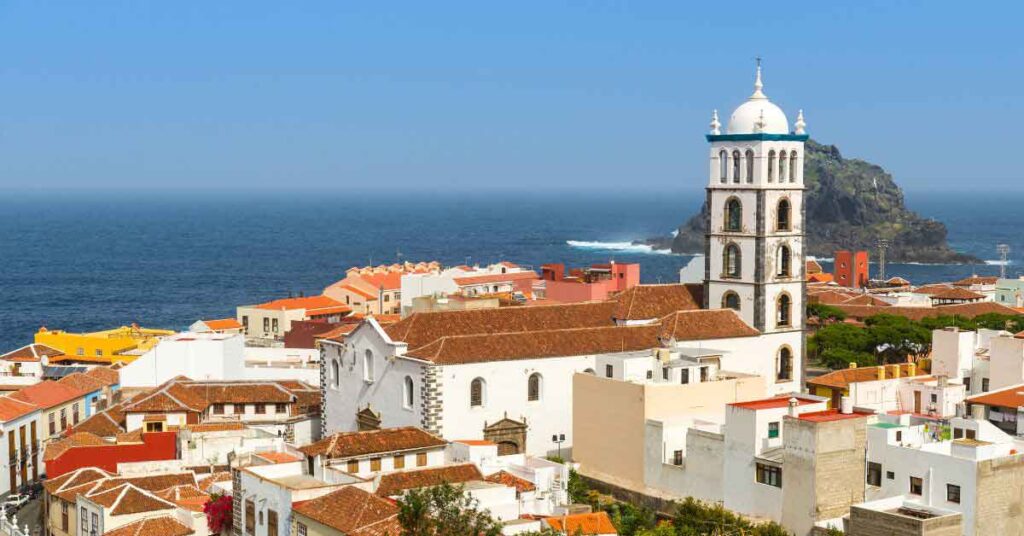
When it comes to winter warmth in Spain, nowhere beats the Canary Islands. They’re technically part of Spain, but they sit just off the coast of northwest Africa, which is why they get that spring-like climate year-round.
In Tenerife, Gran Canaria, and Lanzarote, winter can mean beach days, hikes in shorts, and dinner outside, even in January. I’ve spent plenty of winters here, and the weather really does stay impressively steady. Locals even joke they don’t have seasons, just different levels of sunshine.
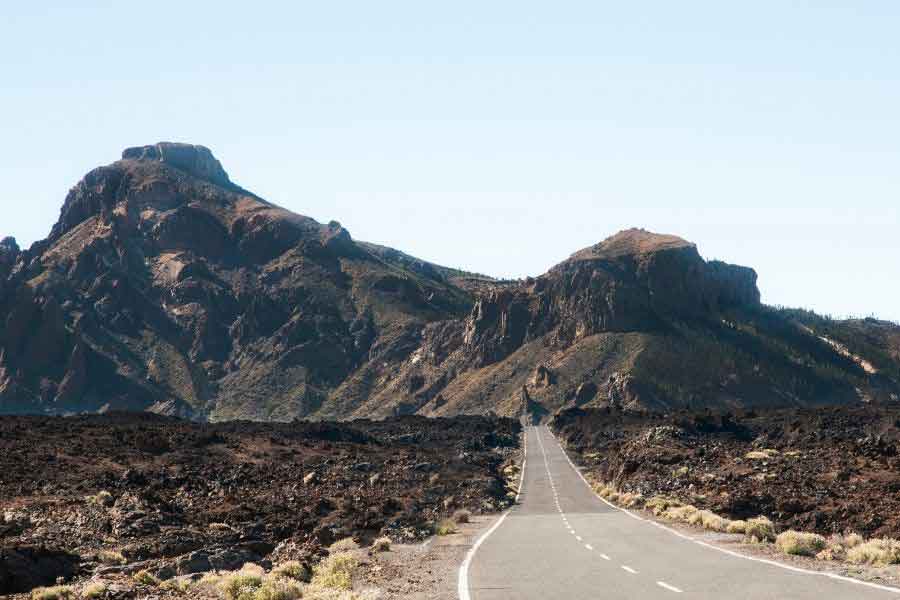
That said, it’s not just for beach days. Winter is brilliant for hiking too, especially in Teide National Park or La Palma’s forests, where the temperatures stay comfortable without the summer heat.

Money Saving Tip
The Canary Islands are a popular escape for the European Christmas holidays, so flights and accommodation can spike in December. If you can, aim for January or February instead. The crowds thin out, prices usually calm down, and the weather is still on your side.
2. Malaga: The Warmest Mainland City in Winter
Average Winter Temperatures
Worth it if you want
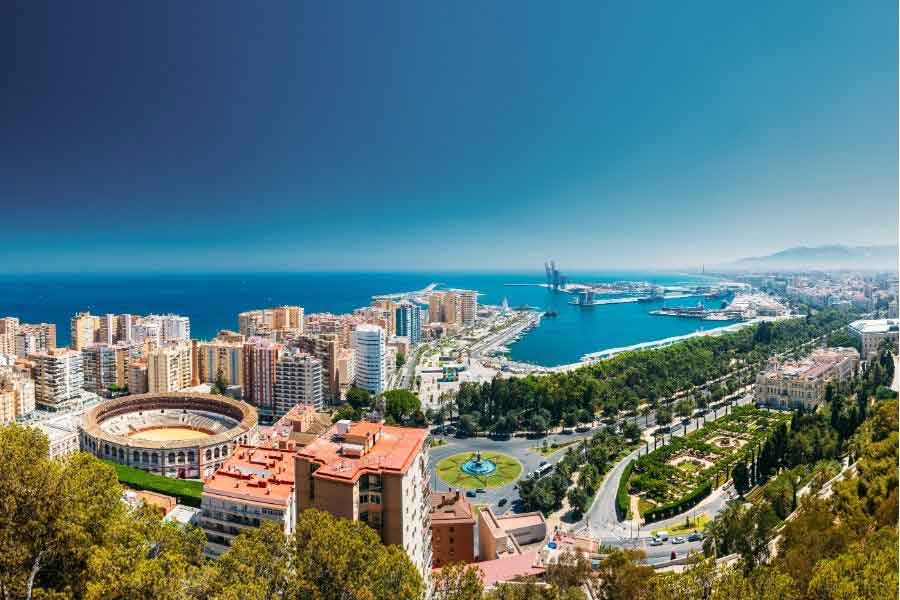
The city of Málaga is where you’ll find the best Andalusian winter weather. It’s on the Costa del Sol, so you still get plenty of bright days, and even though it’s not quite swimming weather, it’s usually warm enough to wander around without freezing.
It’s a great pick for a solo trip, too. The centre is properly walkable, there’s always a bit of buzz, and it’s easy to build a day around promenade walks, tapas stops, and a bar or two in the evening without needing a big plan.
For history, you’ve got the Roman Theatre right in the city, plus the Alcazaba and Gibralfaro for views over the port. They’re ideal in winter because you can take your time without the summer heat.
And if it does rain, there are plenty of indoor options. The Picasso Museum is the obvious one, the Carmen Thyssen Museum is perfect for a slower afternoon, and Centre Pompidou Málaga is great if you want something more modern down by the waterfront.


3. Almeria: Spain’s Sunniest Province
Average Winter Temperatures
Worth it if you want
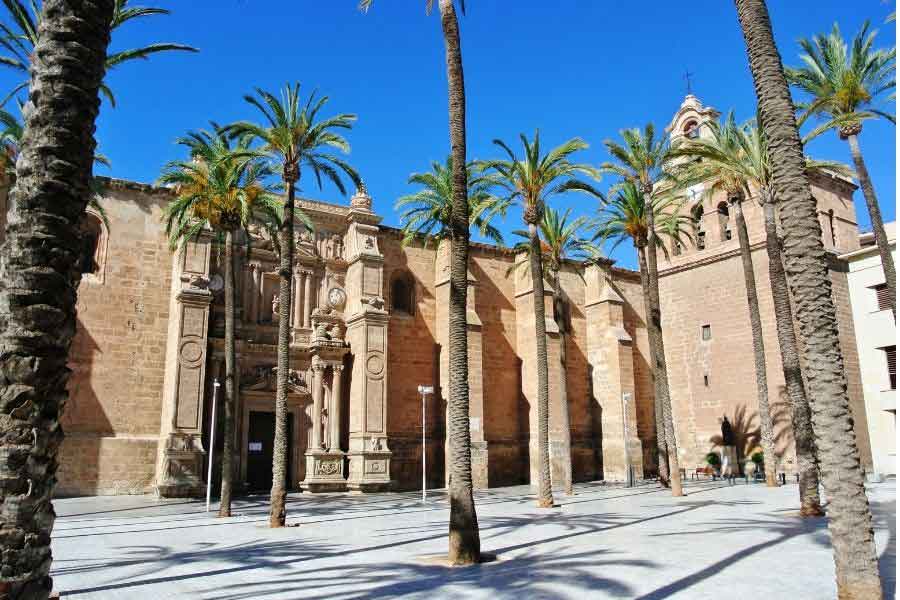
If winter sun is your priority, Almería is a really smart choice for travellers chasing winter warmth.
I’ve visited in the colder months when other parts of Spain felt a bit hit and miss. It’s in the southeast corner of the mainland, and the difference in brightness is noticeable. You get loads of clear blue days, plus that dry air that makes everything feel a bit lighter.
The city itself is laid-back. On my last trip, I spent a morning wandering without a plan, grabbed tapas near the centre, then walked up to the Alcazaba for the views over the port. It’s an easy solo day because it feels straightforward to navigate, and you can do a lot without constantly checking a map on your phone.
Almería is also a great base to explore the outdoors. Cabo de Gata is close enough for a day trip, and winter is a great time for coastal walks and beaches that feel properly wild. I always pack decent shoes and a light jacket, because even on sunny days, the sea breeze can catch you out.
4. Seville: Sunny City Break Packed with Culture
Average Winter Temperatures
Worth it if you want
If you’re after a warm winter city break with loads of culture, Seville should be high on your list.
But I’m biased because I live here, and I’ve spent plenty of winters in the city. That also means everything I’m recommending is genuinely doable, not just something that looked nice on Google Maps.
Seville’s winter climate is ideal for exploring on foot. It’s not T-shirt weather all day, but it is comfortable for walking around without feeling like you need to keep diving indoors. Most days are crisp in the morning, then sunny by lunchtime. If you plan to be out all day, think layers rather than one big coat.
It can feel warmer than the numbers suggest when the sky is clear. I regularly leave the house layered up, then end up carrying my jacket by lunchtime because the sun is doing the most.
Winter is also the sweet spot for the big sights.
This is the time for exploring the Alcazar and wandering around Santa Cruz when you are not shoulder-to-shoulder with tour groups.

Alone in The Alcazar Pre-Entry
Want the Alcázar without the crush? Book an early-access tour. It’s capped at 25 people, starts before general entry, and makes it much easier to enjoy the gardens and take crowd-free photos.
And if you do get one of those drizzly December days, it’s easy to pivot to indoor plans without losing the day. Museums, long lunches, and a slow wander around covered markets are all very on-brand here.
If you’re visiting Seville during Christmas time, you’ll get a festive atmosphere without the snow and ice.
However, December is when most of the rain tends to show up, but it usually comes in short bursts, unlike the winter of 2025-26, when we had non-stop storms over the region. I’m keeping my fingers crossed that this was an exception rather than a new rule!


5. Murcia & Cartagena: Spain’s Winter Secret
Average Winter Temperatures
Worth it if you want
Murcia and Cartagena don’t usually make the big winter-sun lists, which is exactly why they’re so good. If you want mild weather on the mainland without paying peak prices or queueing for everything, this region is a quiet little win. The days tend to be bright and dry, and it feels calmer than the Costa del Sol, even in the middle of winter.
Murcia city is brilliant for slow days. It’s more about wandering than ticking off sights. Base the day around the old town and the food markets. It’s also a nice option for solo travellers who want somewhere easy to navigate, with plenty of life around you, but without feeling like you’re in a tourist bubble.
Cartagena is where you go when you want sea air and history in the same afternoon. It’s got ancient Roman ruins, a walkable waterfront, and lots of spots to stop for a drink when the sun’s out.
The other reason this area works so well is value. I find food and accommodation often come in cheaper than in Andalusia and the Canary Islands, and you still get those bright winter days where everything feels a bit easier.

Weather Comparison Table of the Warmest Cities in Spain
Warm is a bit subjective. Your warm might be my still-wearing-a-coat; I’m an absolute wimp when it comes to the cold!
Average daytime highs are a solid starting point when you’re choosing where to base yourself.
Below is a quick comparison of some of the warmest cities in Spain from December to February, based on typical daily highs.
One quick note before you skim the numbers and book the first 22°C you see. Temperature is only half the story. Wind and daylight can make a place feel cooler or warmer than you’d expect, especially on the mainland. Almería often feels warmer than Seville on similar highs because it’s usually drier and brighter.
Warmest Cities in Spain in Winter (Average Highs)
| City | Avg Dec High | Avg Jan High | Avg Feb High |
|---|---|---|---|
| Tenerife | 22°C (72°F) | 21°C (70°F) | 22°C (72°F) |
| Gran Canaria | 22°C (72°F) | 21°C (70°F) | 22°C (72°F) |
| Málaga | 18°C (64°F) | 17°C (63°F) | 18°C (64°F) |
| Almería | 19°C (66°F) | 18°C (64°F) | 19°C (66°F) |
| Seville | 17°C (63°F) | 15°C (59°F) | 17°C (63°F) |
| Murcia | 17°C (63°F) | 16°C (61°F) | 18°C (64°F) |
| Cartagena | 17°C (63°F) | 16°C (61°F) | 17°C (63°F) |
Ethical Considerations of Winter Tourism in Spain
Being a thoughtful traveller doesn’t need to be a big, dramatic thing. It’s mostly about making a few small choices that keep the places you visit liveable for the people who actually live there. And honestly, winter travel in Spain makes that easier, because you’re visiting when things are calmer.
A lot of places deal with overtourism in the summer months, which puts pressure on housing, services, and day-to-day life. Visiting in winter helps spread things out, so local businesses still benefit without the peak-season chaos.
If you want to keep it thoughtful, the simple stuff matters:
- Stay in locally run hotels or guesthouses when you can
- Eat at independent places, not just the main tourist strip
- Book small group tours or local guides if you want context
- Be mindful of short-term rentals in areas with tight housing
Packing Tips for Spain’s Winter Sun
Packing for Spain in winter is a bit of a balancing act. You’ll get plenty of sunny days, but the temperature can swing from T-shirt-at-lunchtime to wishing-you-brought-a-jacket by 6 pm.
Layers are your best friend.
You can check out my fully detailed checklist of what I usually pack when travelling around Spain in winter.
If you’re just after the essentials, then here’s what I’d bring.
Essentials for Mild Winter Days
- Light layers: long-sleeved tops, thin jumpers, breathable fabrics
- A medium-weight jacket or fleece: ideal for early mornings and evenings
- Comfortable walking shoes: trainers or lightweight boots for city days
- A scarf or pashmina: small, but weirdly useful when it cools down
- Sunglasses: the low winter sun is no joke
- Sunscreen: yes, even in December
- A couple of short-sleeved tops: for those warmer afternoons
Optional Extras for Inland or Mountain Trips
- A warmer coat: especially for Madrid, Granada, or anywhere with altitude
- A small umbrella: not essential, but handy in places like Seville or Valencia in December
Wintering in Spain: FAQs
How cold is Spain in winter?
It depends on where you are. Northern and inland areas can drop close to freezing at night, while southern Spain and the Canary Islands often sit around 17 to 23°C (63 to 73°F) during the day. Mornings and evenings are usually cooler, so layers make life easier.
What is Spain’s coldest month?
January is usually the coldest month, especially in central and northern Spain. Inland cities can have frosty mornings, but the southern coast and the Canary Islands stay relatively mild, often still reaching the high teens or low twenties in °C, which is roughly 60s to low 70s°F.
Which part of Spain is warm in winter?
The Canary Islands are the warmest, with average daytime highs around 22°C (72°F). On the mainland, Andalusia (especially Málaga and Almería) and the Murcia region tend to be your best bet, often around 17 to 20°C (63 to 68°F) on winter days.
Does it snow in Spain?
Yes, but mainly in the mountains and some inland areas. Places to see snow in Sapin inlcude Madrid, Granada, and Burgos, while the southern coast and the Canary Islands rarely do. If you are chasing the sun, you can safely ignore snow as a planning concern.
Found Spain’s Warmest Winter Spot? Keep Planning Your Trip Here
If you want reliable winter warmth without a long-haul flight, Spain really does deliver. You’ve got everything from subtropical islands to sunny southern cities, plus great food and a very welcome Vitamin D boost.
Although the warmest place in Spain in winter is usually the Canary Islands, it really depends on what you want from your trip. Beachy and low-effort, culture-packed city break, or somewhere calm for a slower pace. Whatever you pick, you can make winter feel a lot less bleak.
Next up, I’ve linked my best Spain winter guides below so you can plan the rest.
- How to Enjoy Madrid in the Winter
- Best Things To Do in Christmas in Seville
- Does it Snow in Spain?
- Complete Winter in Spain Packing List
- Best Places in Europe for Winter Sun
Have a question? then don’t forget to join our free Facebook Group and ask the community.
Want to discover more about Spain? then check out these other great articles to find out more.
General Spain Travel
- Ultimate 10 Days In Spain Itinerary
- 2 Week Spain and Portugal Itinerary
- How Many Days Should I Spend in Spain and Portugal?
- 50+ Best Experiences for Your Spanish Bucket List
- 38 Most Famous Landmarks in Spain
- Can You See Morocco From Spain?
Andalucia and South Spain
- Southern Spain Itinerary: Best 7 Days in Andalucia
- Local’s Guide To Seville in 3 Days
- 35+ Top Things To Do In Seville
- 23 Best Day Trips From Seville, Spain
- How to Do A Seville to Cordoba Day Trip
- Where Is the Nearest Beach to Seville?
- How To Spend One Day in Granada
- Best 2 Days in Granada Itinerary
- The Best Cordoba in One Day Itinerary
- 5 Places for the Best Glamping in Spain’s Southern Coast
Barcelona
- 32 Best Things to Do in Barcelona, Spain
- Barcelona 5 Day Itinerary for First-Time Visitors
- Should You Visit Barcelona or Lisbon?
- Montserrat Day Tour With Tapas and Wine From Barcelona
Madrid And Surrounding Area
- Is Madrid Worth Visiting?
- 28 Best Things to Do in Madrid, Spain
- Best Madrid 2 Day Itinerary By A Local!
- 30 Things to Do In Winter in Madrid
- Madrid vs Lisbon Comparison Guide
- How to Visit Segovia From Madrid in a Day
- A Day Trip to Toledo from Madrid
Basque Country and North Spain
- An Epic 5 Days Road Trip in Aragón Itinerary
- 15 Best Things to Do in Aragon, Spain
- Is Zaragoza Worth Visiting? Everything You Need To Know
- The Best Things to See in Zaragoza, Spain
- Is San Sebastian Worth Visiting? The Pros and Cons
- San Sebastian Food Tour Review With Devour Tours
- Is Bilbao Worth Visiting? 12 Reasons To Visit Bilbao