
Seville at Christmas: 16 Festive Things to Do
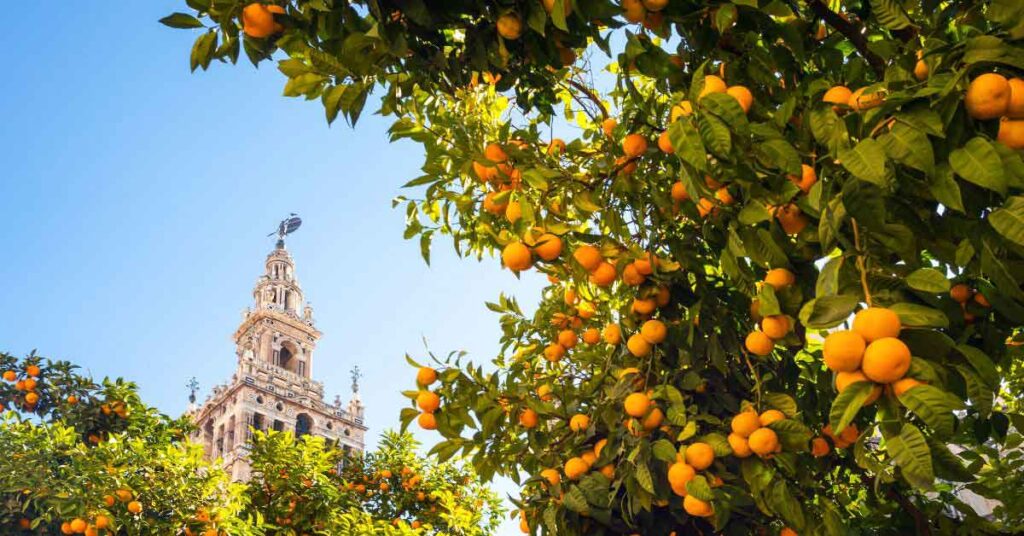
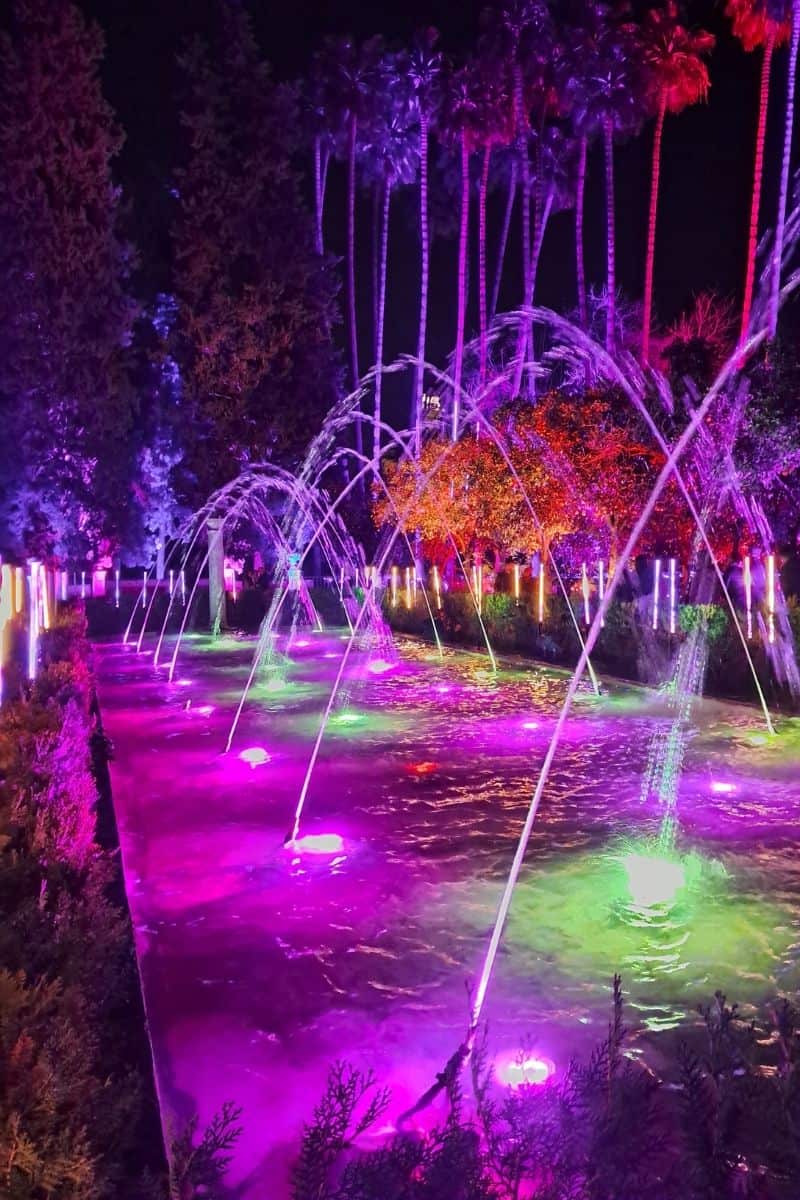
Seville at Christmas is ideal if you love festive lights but have absolutely no interest in snow, ice, or trudging around in a puffer coat under grey skies. Instead, think crisp blue days, mild winter sunshine, twinkling light displays, and a city that somehow feels both relaxed and properly festive at the same time. It’s Christmas cheer without frozen fingers.
After spending multiple winters living in Seville, I’ll point you to what’s actually worth your time in December, plus the stuff most visitors walk straight past. I’ve seen exactly how the city celebrates the season, not just the postcard moments, but the quieter rituals that make Christmas here feel special.
This guide covers what Christmas in Seville is actually like, from nativity markets and flamenco-style carol singing to the Three Kings parade, New Year’s Eve grape-eating chaos, seasonal sweets, winter walks, and easy festive day trips beyond the city.
If you’re deciding whether Seville is the right winter escape or planning a December trip and want to know what’s worth your time, this is what to expect.
Meet Me In Departures contains affiliate links and is a member of the Amazon Services LLC Associates Program. If you make a purchase using one of these links, we may receive compensation at no extra cost to you. See our Disclosure Policy for more information.
17 Magical Reasons to Visit Seville at Christmas
If you only have one or two days in Seville, do the Christmas lights at sunset, go Belén-spotting around the city, try to catch a zambomba, and don’t miss the Three Kings parade if you’re here in early January.
If you’re here longer, don’t worry, the list below has plenty more ideas.
1. Explore the Feria del Belén (Nativity Market)
If you only visit one Christmas market in Seville, make it the Feria del Belén. Set just outside the Cathedral along Avenida de la Constitución, this long-running market is entirely dedicated to nativity scenes and feels refreshingly local compared to the usual mulled wine setup you’ll find elsewhere in Europe.
Instead of bratwurst and novelty jumpers, you’ll see stalls piled high with tiny hand-painted clay figures, miniature animals, traditional village scenes, and bundles of moss for building a Belén at home. It’s detailed, niche, and quietly fascinating, even if you’ve never owned a nativity set in your life.
Creating elaborate Belénes is a serious Andalusian tradition, and Sevillanos take a lot of pride in it. It’s a lovely market to wander at your own pace, people-watch, and soak up something genuinely local without feeling like you’ve stumbled into a tourist trap.

Good to Know
The market usually runs from mid-November until December 23rd. It’s a great place to pick up some small, authentic souvenirs or simply to see how Seville celebrates Christmas.

2. Browse Local Artisan Christmas Markets in Seville
Seville really comes into its own in December thanks to smaller artisan pop-up markets scattered through neighbourhoods like Alameda de Hércules and Triana. These are the places to find the good stuff: handmade jewellery, ceramics, organic soaps, recycled crafts, and locally produced art made by people who actually live here.
What makes them worth seeking out is the atmosphere. They are easy to browse alone, no pressure, and great for a slow afternoon. Alameda tends to feel more alternative and artsy, while Triana keeps things a little more traditional and rooted in local culture.
They’re also a brilliant place to pick up traditional Spanish gifts, especially if you want souvenirs with real meaning rather than mass-produced tat you’ll forget about by the time you get home.
3. Wander Through the Festive Light Displays
One of the best things about Seville during Christmas time is how easy it is to just wander.
Different neighbourhoods have their own displays, and you don’t need a ticket, a plan, or even a real destination. You just start walking.
The festive displays stretch across the historic centre, especially around Avenida de la Constitución, Plaza Nueva, and Calle Sierpes. But what I love most is how the lights quietly spill into nearby neighbourhoods, too.
Seville is compact, flat, and easy to explore on foot, which makes it ideal if you’re travelling alone and want to explore at your own pace without constantly checking maps or transport apps. I can happily spend hours wandering on my own, drifting from street to street, watching the city come alive as the lights switch on and locals head out for their evening paseo.
The lights usually switch on in early December and stay up until early January. Go just after sunset, when the streets are buzzing with activity.

Local Tip
I usually start near the Cathedral and wander up Calle Tetuán toward Plaza del Duque. There’s no wrong turn, and plenty of cosy cafés along the way if you feel like stopping for something sweet. This area is busy in the evenings, so it feels comfortable to wander solo.

4. Eat Your Way Around the City
The winter season in Seville is the perfect excuse to lean into tapas culture and take your time with it.
Beyond the seasonal sweets, Seville’s bars shift into proper winter comfort mode. You’ll see warming stews, marinated olives, local cheeses, and all the classic pairings with Andalusian wine.

Book The Ultimate Seville Food Tour
A 3-hour, small-group tour, with a local guide, 7+ food tastings and 2 drinks at 5 food stops.
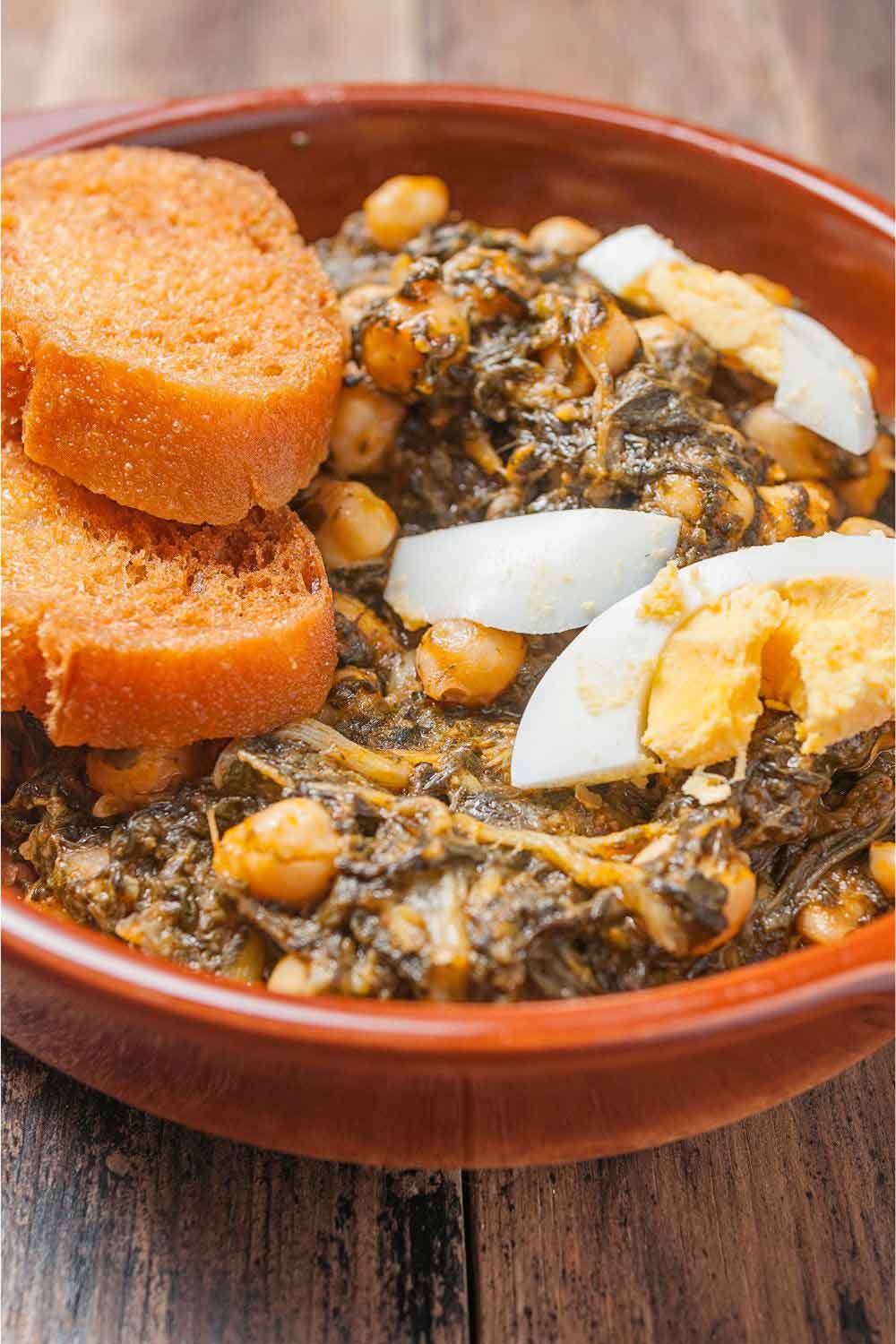
I’m a vegetarian, and Spain is famously jamón-centric, and Seville does not pretend otherwise. However, one of the best comfort foods is espinacas con garbanzos (spinach with chickpeas). This naturally veggie-friendly tapa is rich, warming, and exactly what you want after an evening wander.
You can easily bar hop by yourself, or if you want something a bit more organised, a walking tapas tour with drink pairings in the historic centre can be a great shout. You get food, stories, and a bit of context, and you don’t have to make any decisions.
One of my favourite winter spots is El Rinconcillo, the city’s oldest tapas bar. But you won’t be disappointed with any of the historical tapas bars. Order several different tapas and a glass of fino sherry. It’s comforting, very Sevillano, and genuinely one of the best things to do on a chilly winter evening in Seville.
5. Experience a Traditional Zambomba Flamenca
If there’s one Christmas tradition that feels properly Andalusian, it’s the zambomba flamenca, and Seville does them especially well.
A zambomba is essentially a festive sing-along with flamenco energy. People belt out Christmas songs with hand clapping, guitars, tambourines, and the wonderfully chaotic zambomba drum. It’s loud, joyful, and not remotely interested in being polished or Instagram-perfect.
You’ll find zambombas popping up all over the city throughout December. Look in local peñas (flamenco clubs), cultural centres, and sometimes right in the middle of open-air plazas. These aren’t performances you sit quietly through. They’re spontaneous, slightly chaotic, and full of heart, which makes them brilliant to stumble across.
You’ll almost always hear a zambomba before you see it, often because it’s blocking half the street. Follow the sound, look for a big crowd of locals, a lot of singing, and general festive chaos. That’s your cue.
6. See a Festive Flamenco Show
While zambombas are wonderfully informal and community-driven, December is also a great time to see flamenco in a more polished setting, ideally with a subtle festive twist.
Expect powerful storytelling, dramatic costumes, and traditional instruments, all delivered with that unmistakable Andalusian intensity.
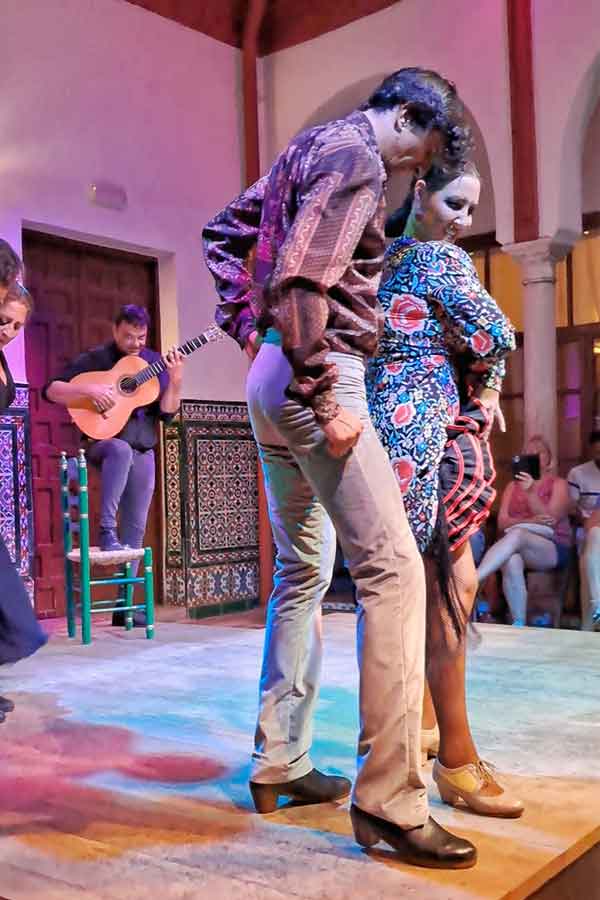
I live in Seville, so I’ve seen a lot of flamenco over the years. I always recommend the smaller, intimate venues with no flashy setup, where you’re so close to the stage you can feel the power of the footwork through the floor.
Two of the best places to watch flamenco in Seville are Museo del Baile Flamenco and Casa de la Memoria. Both make a perfect solo evening plan because you can book one seat and be done with it.
Museo del Baile Flamenco Show
One of Seville’s best flamenco venues, set in an 18th-century courtyard.
7. Don’t Miss the Three Kings Parade
While most of us in the West treat New Year’s Day like the finish line for the holidays, the festive season in Spain is basically just getting started. You think you’re done. Spain politely disagrees.
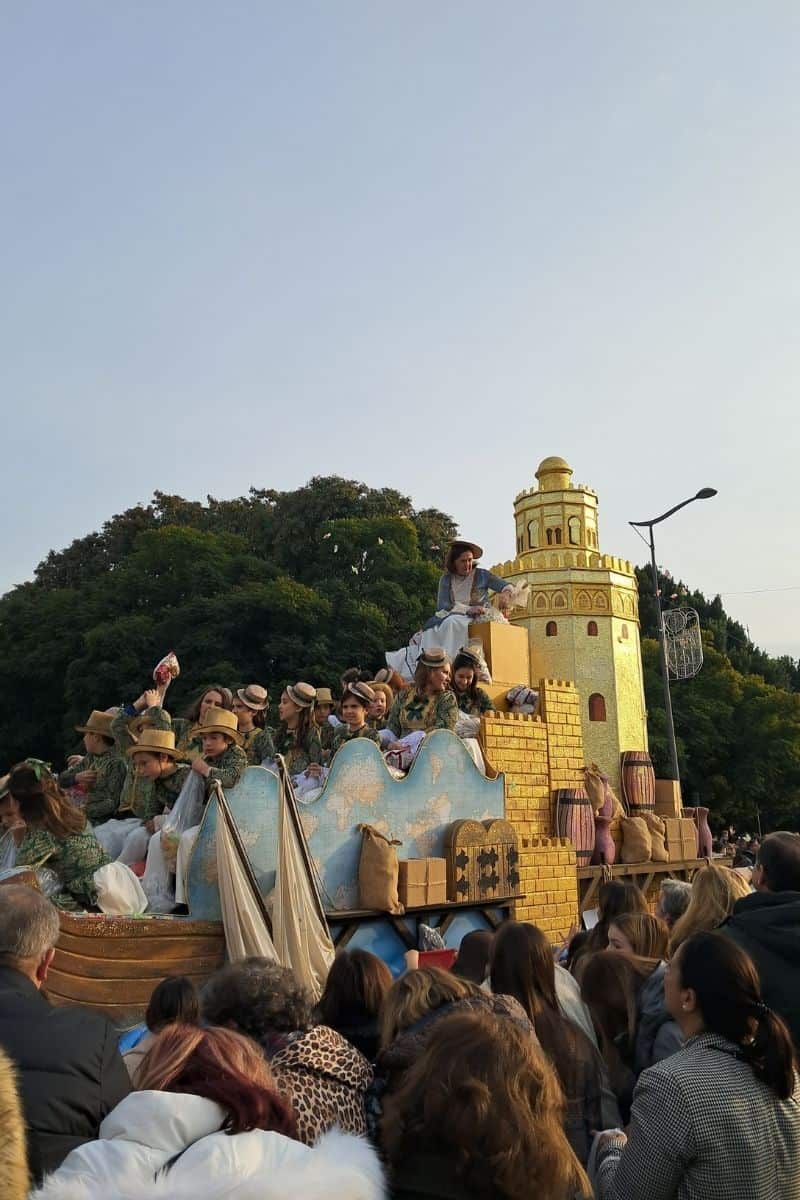
The real main event is January 5th, when the Cabalgata de Reyes, also known as the Three Kings Parade, takes over the city. It’s one of the biggest dates during Christmas in Seville, and makes Christmas Day look almost quiet by comparison.
You’ll see various themed floats, split up by musicians, and the Three Kings (either walking or riding horseback) launching thousands of sweets into the crowd like it’s a competitive sport. It’s totally chaotic but great fun to watch.
If you’re still in Seville after New Year’s, this is the afternoon you plan around. Everything else can wait.
Good To Know
Bring a canvas tote, a backpack, or basically any bag to fill with sweets. People get surprisingly competitive, and you’ll want both hands free. Also, keep an eye out for the diving abuelas. They stand there, innocently, until the caramel drops, then suddenly they’ve got Olympic-level reflexes and zero hesitation as they barge past.
8. Try Spain’s Most Delicious Christmas Sweets
Spain doesn’t mess around when it comes to festive treats, and Seville’s bakeries take holiday indulgence to another level. You’ll find everything from crumbly polvorones and soft mantecados, to almond-packed turrón and the colourful (sometimes) cream-filled roscón de reyes that shows up right at the end of the season.
Yes, supermarkets stock the basics. But if you want the proper stuff, then head to the old-school confiterías like Confitería La Campana near Plaza del Duque, and convent bakeries tucked into neighbourhoods like Triana, Santa Cruz, and around Plaza del Salvador.
A lot of them are still using traditional recipes that have been passed down for generations, and you can taste the difference.
The roscón is the big one, eaten on Three Kings Day (January 6).
Inside you’ll find two “surprises”: a tiny figurine and a dried bean. Get the figurine, and you’re crowned king for the day. Get the bean, and you’re buying the next roscón. Somehow, I always end up with the short straw.

9. Warm Up with Chocolate and Churros
Even with Seville’s mild winter weather, locals still treat hot chocolate and churros like essential festive season behaviour. The hot chocolate here is thick and rich, and it’s very much meant for dipping. Trying to drink it like normal hot chocolate is optimistic.
One of the best places to try it is Bar El Comercio. They’ve been serving churros since 1904. Fresh, crispy and cooked to order, no fancy extras, just comfort in a cup.
You’ll see it packed at breakfast and again in the late afternoon, especially on December weekends or after Christmas shopping. If you hate queues, go a bit earlier than you think you need to.
10. Celebrate Christmas Eve the Sevillano Way
In southern Spain, Christmas Eve (Nochebuena) starts slowly.
Families usually spend Christmas Eve at home over a long, stretched-out dinner. You’ll also find a lot of restaurants shut early or don’t open at all, which means if you want to eat out, you really need to plan ahead and double-check what’s open. The city can feel oddly quiet.
From about 11 pm, things start to liven up with people starting to gather in the streets and squares to welcome in the New Year.
An interesting tradition on New Year’s in Spain is the 12 grapes. At midnight, you’re meant to eat one grape on each chime of the clock to bring good luck.
It sounds easy until you try it. The first time I joined in with this tradition, I used large grapes. Rookie mistake!
Good To Know
You can buy those pre-prepped packs of 12 grapes in shops, but it’s cheaper (and usually better) to prep your own.
Just grab a normal bunch, wash them, and portion out 12 into a small container before you head out. Go for small grapes if you can, because trying to cram 12 large grapes into your gob on the clock chimes is a surprisingly real choking hazard.

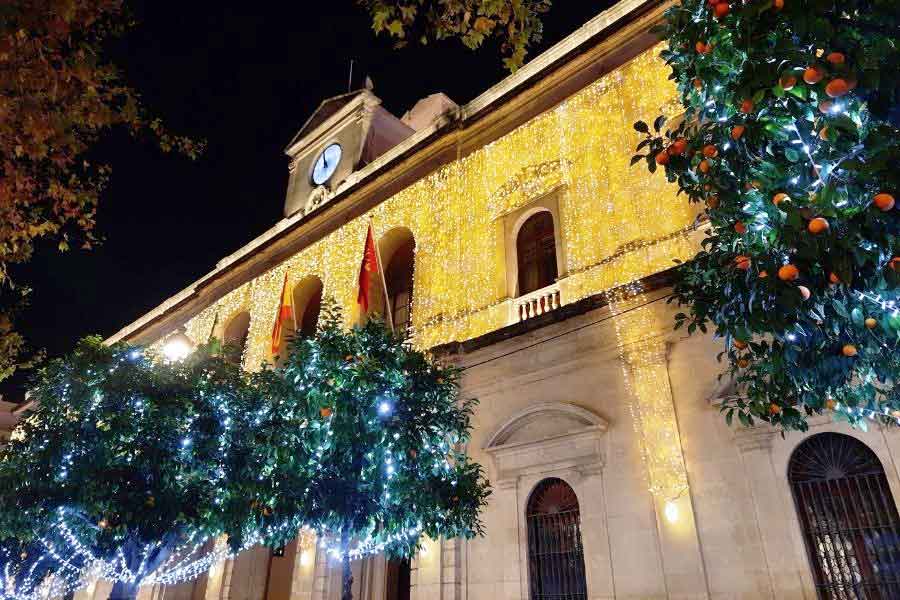
11. Snap a Photo in Front of the Town Hall’s Christmas Display
If you want an easy festive photo without having to hunt for it, just go to Plaza Nueva and Plaza de Francisco. Seville’s Town Hall sits between the two and sets up the biggest Christmas display in the city, and it’s basically impossible to miss.
Most years, you’ll see a huge lit-up tree, decorative arches across the plaza, and sometimes light projections on the Town Hall itself.
The place is busy with families, street performers, little stalls, and groups of people lingering around. Go after dark when everything’s lit up, and you’ll get the best photos.
12. Walk Along the Guadalquivir at Dusk
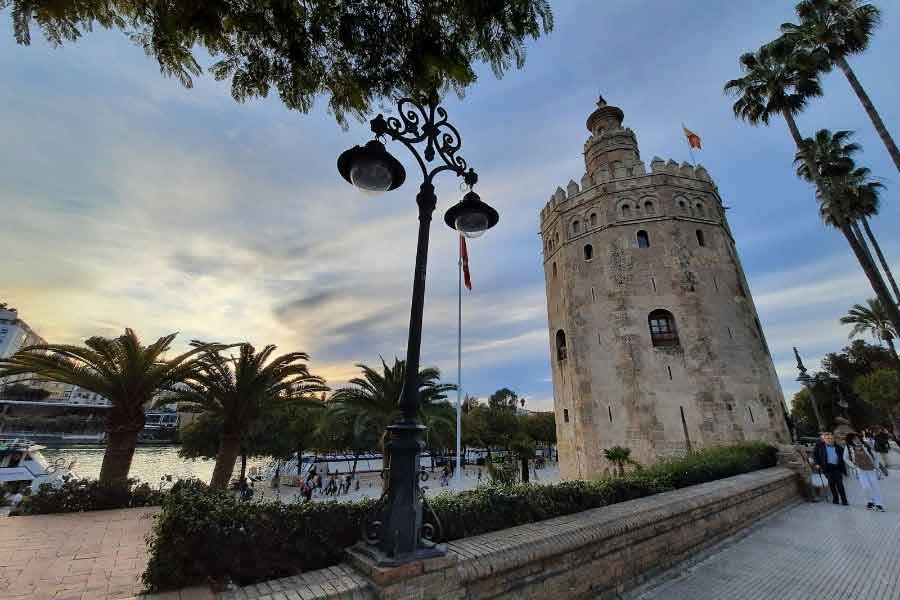
The Guadalquivir is the river that runs through Seville, and walking along it at dusk is a really nice reset between sightseeing stops. It’s quieter than the main shopping streets, the air cools off a bit, and it’s just an easy, pleasant walk when you want a break from the festive buzz.
Start near the Torre del Oro and follow the riverside path towards Triana Bridge. You’ll pass street musicians, the occasional pop-up stall, and couples doing their evening paseo.
Stop at Mercado Lonja del Barranco near Triana Bridge for a quick vermouth or hot chocolate.
13. Soak Up That Sweet Seville December Weather
If you’re coming from northern Europe, December in Seville feels mild and sunny. Daytime highs tend to sit around 15 to 20°C (59 to 68°F), and most years you’ll get crisp, sunny days with dry skies. Perfect walking weather, and you can leave the full winter armour at home.
However, in 2025 to 2026, Seville clearly missed that memo and just kept sending storms.
It genuinely felt like it rained every day. Storm after storm, wind, park closures, and ankle-deep puddles. I’m choosing to believe that was the exception and not the new normal, because Seville in December is typically dry, with the occasional dramatic downpour, and then it clears again.
Even when it isn’t raining, winter nights can still get chilly, and a lot of accommodation, especially older buildings, don’t have proper heating. Bring a warm jumper and a jacket.
Good To Know,
The best way to navigate winter in Seville is with layers that you can actually take off. Days can feel properly warm, especially if you end up in a sunny little sun-trap spot, and you’ll regret a thick coat the second you start walking. Nights are cooler, so you want options you can add and remove easily.
If you want more specifics, I’ve got a full guide on packing for Spain’s winter weather. If it turns into another 2025 to 2026 situation, add a heavy-duty raincoat.
14. Visit The Nativity Scenes Around the City
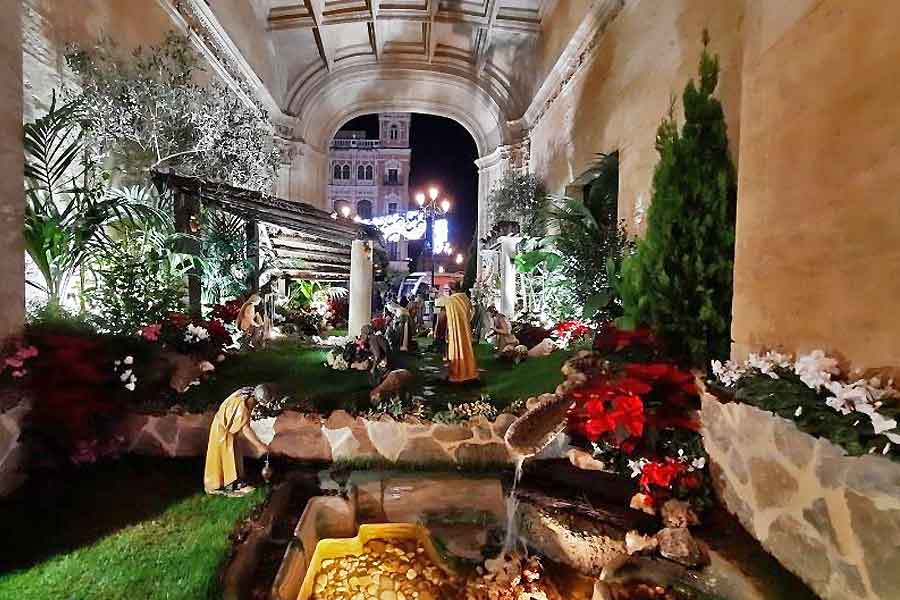
In Andalusia, Belénes are a real part of Christmas, and people put a lot of pride into them.
Throughout December, Seville’s churches, civic buildings, and even shop windows set up incredibly detailed displays, complete with miniature villages, running water, twinkling lights, and whole Andalusian landscapes.
Some of the best ones are inside churches like San Lorenzo, El Salvador, and San Isidoro, plus public spaces like Círculo Mercantil on Calle Sierpes.
If you’re interested in tracking down a few, I recommend picking up a Belén route map from a tourist information centre. It makes it much easier to find the most elaborate displays without wandering around blindly.
15. Glide Through Pop-Up Ice Rinks and Festive Fairgrounds
Even though southern Spain isn’t known for snow and ice, Seville still sets up a few pop-up ice rinks and festive fairgrounds in December.
I know it’s not the most traditional thing you’ll do here, but if you’re in the mood for something easy and festive, it’s a fun way to spend a couple of hours.
The biggest setups are usually around Prado de San Sebastián, and sometimes Muelle de las Delicias. Expect ice skating, Christmas rides, candy stalls, and a few games that will absolutely convince you that you’re better at them than you are as they devour your Euros!
16. Use Seville as a Base for Day Trips
One of the best things about spending the holidays in Seville is that you can escape the city for the day without any real effort. It’s a great base for little adventures that still feel seasonal.
There are plenty of easy day trips from Seville, and most you can get to with public transport.
One of the easiest is Itálica, about a 30-minute bus ride from Seville. I’ll admit I’m an absolute ruins nerd, and if you’ve been reading Meet Me in Departures for a while, you already know I’m a sucker for anywhere with crumbling stones and a bit of history. But Italica gets weirdly overlooked, which I don’t understand at all.
It has a decent-sized Roman amphitheatre (yes, the one from Game of Thrones), and it’s genuinely one of the best Roman ruins in Spain.
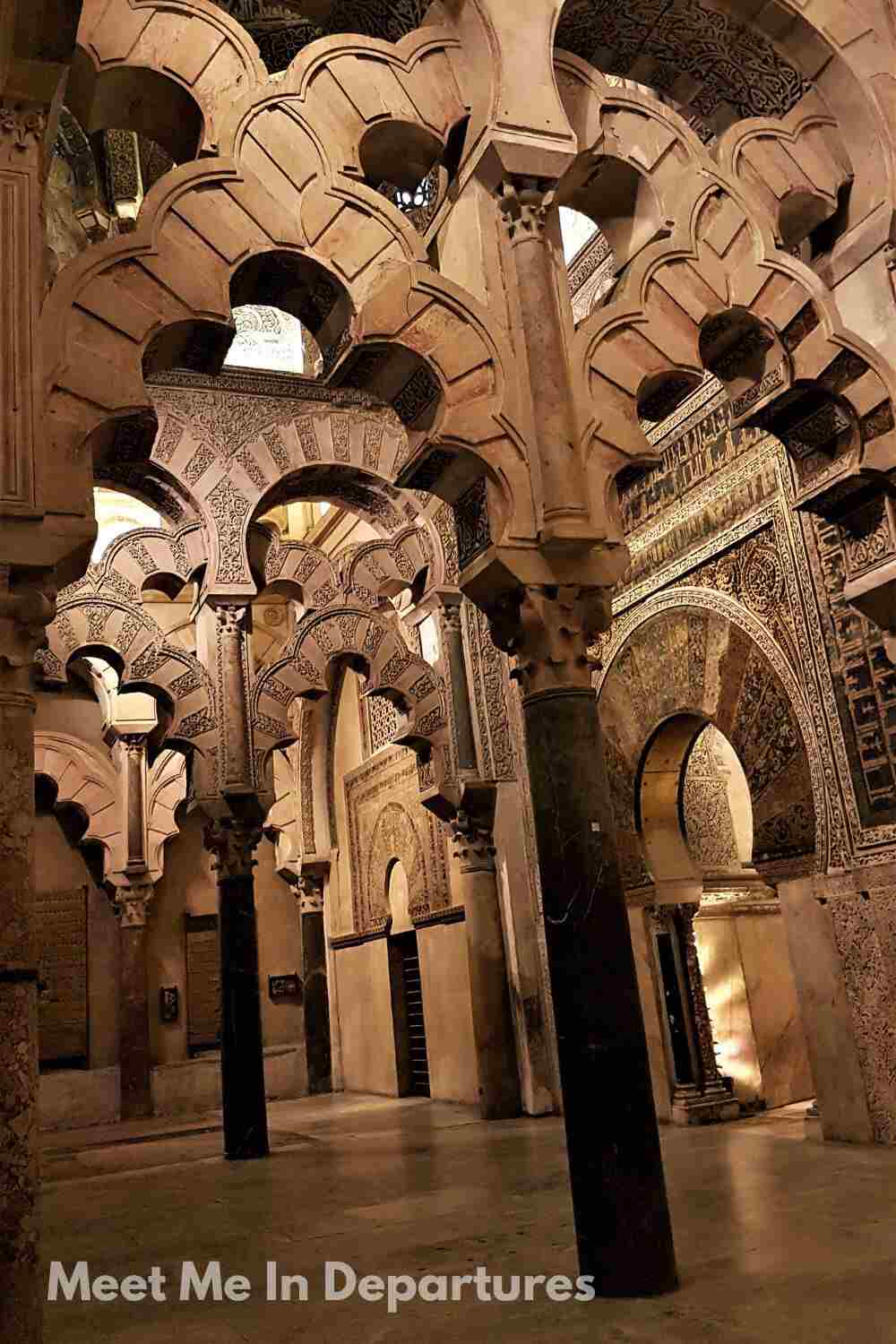
Carmona is another easy win. It’s a hilltop town with whitewashed streets and big views, and it feels quieter and more traditional in December. Or hop on the train and spend a day in Córdoba, where the Mezquita and the old Jewish Quarter look especially lovely with the festive lights up.
Essential Tips for Visiting Seville at Christmas
A festive trip to Seville is great, but it runs a lot smoother if you do a tiny bit of planning first.
Here are the things that catch people out:
- What’s open and what’s not: On December 24, 25, January 1, and January 6, expect most shops, museums, and even supermarkets to shut. Restaurants often close early on the 24th and may not properly reopen until later on the 25th, so always double-check opening hours if you’ve got your heart set on a specific place.
- Public transport: Buses, trams, and regional trains sometimes run reduced services on public holidays, and taxis can be hard to find late at night. If you need to get somewhere on one of those dates, don’t leave it to luck.
- Booking restaurants: If you want to eat out on Christmas Eve or New Year’s Eve, book early. Locals reserve festive meals weeks ahead, and walk-ins are basically a fantasy.
- Chaotic days: December 24 and January 5 are chaotic for errands. I always do my supermarket run two days ahead, especially if I need to go anywhere near El Corte Inglés or Mercadona. It saves stress, and it saves you from standing in a queue that never ends.
Seville at Christmas FAQs
Is Seville at Christmas Worth It?
Yes, Seville at Christmas is worth it if you want a festive atmosphere without freezing weather. You’ll get mild winter sunshine, Christmas lights, markets, flamenco carols, and the Three Kings Parade on January 5. It feels traditional and lively, but usually with fewer crowds than Madrid or Barcelona.
Does Seville Have Christmas Markets?
Yes. The best-known one is the Feria del Belén near the Cathedral, focused on nativity figurines and traditional crafts. You’ll also find smaller artisan markets in Alameda and Triana for handmade items and traditional Spanish gifts. Most run from late November through December.
Is Seville Closed on Christmas Day?
Mostly, yes. On December 25, expect shops, museums, and many restaurants to be closed, and public transport to run limited services. If you want to eat out, book ahead, or buy food before December 24, because most supermarkets also close.
What to Wear in Seville in December?
Wear layers. Days are usually mild (around 15 to 20°C / 59 to 68°F), but evenings are cooler. Pack warm trousers or tights, a light jumper, a jacket, plus a scarf for the night. Bring sunglasses and comfortable walking shoes. You don’t need heavy winter gear, so leave the snow boots at home.
Now You’ve Planned Christmas in Seville, Discover More About Winter in Spain
If you’re doing Christmas in Seville, you’ve already made a solid choice. It’s festive without being exhausting, full of local traditions, and most years you can enjoy it without dressing like you’re about to summit a mountain.
If this trip is part of a bigger winter escape, it’s worth thinking a step ahead. Where else in Spain makes sense in winter, what the weather is actually like, and what to pack so you’re not sweating at lunchtime and shivering at night?
I’ve got a whole collection of guides to help you map out the rest of your trip, from Seville itineraries and hidden gems to practical winter planning for Spain.
Have a browse through my Seville travel guides and Spain in winter articles and start piecing together the rest of your route.
- Discover the Warmest Place in Spain in Winter
- What to Wear in Spain in Winter
- Where Does It Snow in Spain?
- 30+ Top Things to Do In Madrid in Winter
- A Local’s Guide to Exploring the Real Alcázar
- Unmissable Experiences and Hidden Gems in Seville
- How to Spend 3 Perfect Days in Seville (With Map)
Have a question? then don’t forget to join our free Facebook Group and ask the community.
Want to discover more about Spain? then check out these other great articles to find out more.
General Spain Travel
- Ultimate 10 Days In Spain Itinerary
- 2 Week Spain and Portugal Itinerary
- How Many Days Should I Spend in Spain and Portugal?
- 50+ Best Experiences for Your Spanish Bucket List
- 38 Most Famous Landmarks in Spain
- Can You See Morocco From Spain?
Andalucia and South Spain
- Southern Spain Itinerary: Best 7 Days in Andalucia
- Local’s Guide To Seville in 3 Days
- 35+ Top Things To Do In Seville
- 23 Best Day Trips From Seville, Spain
- How to Do A Seville to Cordoba Day Trip
- Where Is the Nearest Beach to Seville?
- How To Spend One Day in Granada
- Best 2 Days in Granada Itinerary
- The Best Cordoba in One Day Itinerary
- 5 Places for the Best Glamping in Spain’s Southern Coast
Barcelona
- 32 Best Things to Do in Barcelona, Spain
- Barcelona 5 Day Itinerary for First-Time Visitors
- Should You Visit Barcelona or Lisbon?
- Montserrat Day Tour With Tapas and Wine From Barcelona
Madrid And Surrounding Area
- Is Madrid Worth Visiting?
- 28 Best Things to Do in Madrid, Spain
- Best Madrid 2 Day Itinerary By A Local!
- 30 Things to Do In Winter in Madrid
- Madrid vs Lisbon Comparison Guide
- How to Visit Segovia From Madrid in a Day
- A Day Trip to Toledo from Madrid
Basque Country and North Spain
- An Epic 5 Days Road Trip in Aragón Itinerary
- 15 Best Things to Do in Aragon, Spain
- Is Zaragoza Worth Visiting? Everything You Need To Know
- The Best Things to See in Zaragoza, Spain
- Is San Sebastian Worth Visiting? The Pros and Cons
- San Sebastian Food Tour Review With Devour Tours
- Is Bilbao Worth Visiting? 12 Reasons To Visit Bilbao