
What to Wear in Spain in Winter: By Region + Packing Tips
Wondering what to wear in Spain in winter? Same. It should be straightforward, but winter in Spain is not here to make your life easier.
Spain gets marketed like it’s permanently 25°C and everyone’s casually sipping sangria in the sun. Sometimes that’s true. Other times you’re stood in Madrid wondering why your face hurts, and then two days later you’re in Málaga thinking, “Why did I pack a coat like I’m heading to Scandinavia?”
I’ve lived in Spain for years, and I still check the forecast like it’s my job. I’ve frozen in a thin jacket in Bilbao and then immediately regretted every layer I owned in Seville. So yes, I get the confusion.
The trick is that winter in Spain changes wildly depending on where you are. That’s why packing “one winter wardrobe” is a scam. What you actually need is layers you can mix and match, and a vague understanding of the regional weather mood swings. Spanish winter fashion helps too. It’s warm, practical, and still manages to look put together (annoying, but fair).
In this guide, I’ll cover what to wear by region (Madrid, Barcelona, Málaga, Valencia and beyond), plus a realistic packing list, what not to bother bringing, and a few easy ways to blend in without looking like you got dressed in the dark at 4 am for an airport run.

Meet Me In Departures contains affiliate links and is a member of the Amazon Services LLC Associates Program. If you make a purchase using one of these links, we may receive compensation at no extra cost to you. See our Disclosure Policy for more information.
What Is Winter Really Like in Spain?
Spain might be famous for its sunshine, but winter here isn’t all blue skies and beach days.
Depending on where you go, it can mean crisp mountain air, coastal wind that cuts right through you, or the occasional snow-covered street in the middle of a city. That’s the beauty and the annoyance of travelling in Spain in the colder months. The weather keeps you guessing.
If you’re travelling solo, this matters even more. Being cold and underdressed is miserable anywhere, but it’s especially unfun when you’re trying to stay out exploring all day with no one to blame but yourself.
When is “Winter” in Spain?
Winter in Spain officially runs from December to February, but the chill can start creeping in from late November, especially inland and in the north.
Don’t let the latitude fool you. Spain sits further south than most of Europe, but parts of it still get properly cold. I’ve spent winters thinking I’d packed “sensibly”, then buying an emergency scarf like it was a survival tool.
And if you’re planning a Christmas break and trying to figure out what to wear in Spain in December, start with the city.
December in Madrid is not December in Málaga.
Month-by-Month Breakdown
- December: Days start getting shorter and colder, especially in central and northern Spain. Coastal areas stay milder, which can lull you into packing badly.
- January: Typically, the coldest month. Expect frosts inland, and even snow in cities like Madrid or Burgos. This is when those cute winter outfits can quickly become a full-body thermals situation.
- February: Temperatures begin to climb, but it’s still chilly in the mornings and evenings. It’s the month that looks promising, right up until the sun disappears, especially in the south.
Regional Weather Differences
This is where it gets interesting. Spain’s winter weather can feel like several different countries stuffed into one trench coat.
If you’re doing more than one stop, assume Spain’s winter weather will not cooperate. It rarely does, and it has no interest in your suitcase situation.
- Northern Spain (San Sebastián, Bilbao, Galicia): Wet, cloudy, and properly cold. This is where ‘waterproof’ stops being optional. Bring layers and a decent set of waterproofs, not just a cute little umbrella that turns inside out the second you step outside.
- Central Spain (Madrid, Burgos, Salamanca): The air is dry, but it still bites. Cold and dry, with frosty mornings and the occasional snow flurry. It can be sunny, but there’s next to no heat coming from it.
- Southern Spain (Málaga, Seville, Granada): Milder and often sunny, especially on the coast. Afternoons can feel surprisingly warm, but evenings still drop quickly once the sun goes. Think crisp mornings, even t-shirt weather if you find a little sun-trap, until the sudden temperature drop.
- Eastern Spain (Valencia, Barcelona): Generally mild, but windy. Barcelona swings constantly between warm sun and freezing cold, so layers you can add and remove are non-negotiable.
Average Winter Temperatures in Spain’s Most Popular Cities
Here’s the boring bit, but it’s useful if you’re wondering how cold is Spain in winter.
These are the averages for the most visited places. I’ve found they’re a good baseline, but the wind and shade can make it feel colder than the numbers suggest.
| City | Avg. High | Avg. Low |
|---|---|---|
| Madrid | 10°C / 50°F | 2°C / 36°F |
| Barcelona | 14°C / 57°F | 6°C / 43°F |
| Málaga | 17°C / 63°F | 8°C / 46°F |
| Granada | 12°C / 54°F | 1°C / 34°F |
| Seville | 16°C / 61°F | 6°C / 43°F |
| San Sebastián | 11°C / 52°F | 4°C / 39°F |
What to Wear in Spain in Winter
When it comes to dressing for Spain in winter, the goal is simple: stay warm, look vaguely put together, and don’t rage-pack your suitcase with ten “just in case” jumpers.
Spain’s winter weather can change its mind multiple times a day, especially if you’re moving around. So here are the only rules that matter.
Layers, not bulk
Spain loves a dramatic temperature swing. You can start the morning in a thermal, need a jumper by lunchtime, then wonder why you’re sweating the second you hit a sunny plaza.
Stick to the basics: a base layer (thermal or long sleeve), a mid layer (jumper or fleece), and a jacket that actually matches the weather where you’re going. Add a scarf and gloves for evenings, because the temperature drop is always a bit personal.

My Spain Winter Layering Formula
Base layer + Mid layer + Jacket + Accessories = Sorted
Smart-casual styling
Locals don’t really do ultra-casual unless they’re actually exercising. Even in winter, Spanish winter fashion leans chic in an effortless way that’s mildly annoying, but fine.
Think fitted coats, neutral colours, and boots that look intentional. You’ll blend in best with simple, clean pieces you can mix and match, rather than a mish-mash of bright coloured sportswear that screams “tourist outfit”.
Comfortable walking shoes
This one’s non-negotiable. Spanish cities love cobblestones. They’re gorgeous. They’re also basically designed to punish flimsy footwear.
Bring waterproof ankle boots or sturdy trainers you can walk in all day. Your feet will thank you, and so will your mood.
Sunglasses and a scarf
Yes, even in winter. The sun can be ridiculously bright during the day, especially if you’re out sightseeing for hours. Then the wind picks up, or you lose the sun, and suddenly it feels a lot colder than the forecast promised.
Sunglasses stop you squinting in every photo. A scarf fixes the rest. It’s the easiest way to stay warm without lugging around a heavier coat.

What to Wear by Region
Winter in Spain is anything but uniform. What works in one city might leave you shivering or sweating in another.
Here’s what to expect and pack for the most visited regions.
What to Wear in Madrid in Winter
If you’re heading to the capital in December or January, prepare for proper winter. Madrid sits on a high plateau, which means cold, crisp days and frosty nights. And yes, it does snow occasionally , especially in January.
Luckily, there’s always plenty going on in the city. If you’re looking for somewhere to thaw out, here are my favourite things to do in Madrid when it’s cold.
Locals embrace the cold in style, and Madrid winter fashion is all about city chic. Think long wool coats, smart boots, and darker tones like navy, camel, and black. It’s polished, but never over-the-top.
Don’t even think about skipping your hat, gloves, and scarf. You’ll need all three, especially in the evenings when temperatures drop sharply.

Money Saving Tip
I prefer to skip trendy fast fashion and pick up high-quality thermals during Spain’s January sales (rebajas). You can get great prices on wool jumpers, coats, and boots.
What to Wear in Barcelona in Winter
Barcelona gets milder winters, but that coastal wind can catch you off guard. It rarely drops below freezing, but damp air and cloud cover make it feel chillier than the thermometer says, especially near the sea.
Locals keep it stylish but relaxed. You’ll see a lot of trench coats, cosy knits, and trainers. Leather boots are popular too, especially in darker colours.
One thing I always recommend is packing a small umbrella. Winter rain is always a possibility here, even when the forecast looks harmless.
What to Wear in Málaga or Southern Spain in Winter
If you’re wondering what to wear in Málaga in December, think “Spain’s version of spring”. The Costa del Sol lives up to its name as one of Spain’s sunniest places in winter, with daytime temperatures often hovering around 17°C (around 63°F), with plenty of sunshine.
Just don’t get cocky. Mornings and evenings still need an extra layer, especially if you’re staying inland or you’re out after sunset. Cities further west can be a bit drier than Málaga, but even if you’re visiting Seville in winter, you’ll still want something warm once the sun disappears though.
Southern Sapin is one of Europe’s warmest winter spots, so don’t be surprised if you see people eating lunch outside in January like this is completely normal behaviour.
Pack light layers: warm trousers or tights, long sleeve tops, a cosy jumper or fleece, plus a light puffer or jacket. There won’t be snow or ice, so you probably won’t need a heavy coat (unless you’re someone who feels the cold easily).
Good To Know
Normally, winter in the south of Spain are pleasantly mild and sunny. Recently though, it has been a different story. During the winter of 2025 into early 2026, the south coast was hit by storm after storm, with weeks of heavy rain, flooding, and strong winds in parts of Andalucía and the Costa del Sol.
I’m hoping it’s an anomaly, but either way, check AEMET before you travel so you know whether you’re getting blue skies or another passing storm system.
What to Wear in Valencia and the East Coast
Valencia’s winters are similar to Barcelona’s, mild but breezy, with occasional cold snaps inland. However, thanks to its location between the coast and the mountains, the weather can swing quickly.
Your best bet is smart layering. You’ll see locals in sleek coats, stylish boots, and warm jumpers.
Packing Tip
Watch out for coastal humidity which can make the air feel colder than the forecast suggests, especially in the early mornings and evenings.

Complete Packing List for Spain in Winter
Let’s be honest. Packing for Spain in winter can be weirdly stressful if you’re moving between places. You can be freezing in Madrid in the morning, fine by lunchtime, then absolutely roasting on the train to the south because you dressed for the Arctic.
The fix is not bringing your entire wardrobe.
It’s bringing layers that actually work together, plus a few practical bits that stop the trip needing an emergency detour to Decathlon.
If you’re travelling around for longer and need a year round checklist check out my packing list for Spain, that covers all seasons.
What to pack for Spain in winter
- Base layers: thermal tops or long sleeves for warmth without bulk. One or two is usually enough unless you run cold.
- Mid layers: jumpers, fleeces, or a cosy knit that you’d actually wear out. Bonus points if it works with jeans and doesn’t itch.
- Outer layer: a weather resistant coat that matches your route. Waterproof helps in the north. A lighter jacket is fine on the south coast most of the time.
- Bottoms: trousers or skirts you can wear multiple times. If you’re heading north or inland, consider one warmer option. I tend to avoid denim if I know it’s going to be wet, but lined tights under cute skirts, or thermal leggings for layering are great options.
- Waterproof ankle boots: for rainy cities and cobblestones. These will save your feet and your ankles!
- Comfortable trainers: for milder days, long walking days, and when your boots need a break.
- Socks: pack more than you think, especially if you’ll get caught in rain. Wet feet are a fast track to misery.
- Scarf, hat, and gloves: essential for central and northern Spain, and surprisingly handy anywhere once the sun goes down.
- Day bag: a small daypack or crossbody that fits a scarf, water, and whatever layer you take off five minutes after leaving the hotel.
- Travel umbrella: useful in Barcelona, San Sebastián, and anywhere coastal. Winter rain is always a possibility.
- Sunglasses: yes, even in winter. The sun can be bright enough to have you squinting through every photo.
- Reusable water bottle: Spain’s tap water is safe and drinkable, and you’ll walk more than you expect.
- Travel size laundry soap: ideal if you’re re-wearing layers on a longer trip. It’s also useful if you spill coffee on yourself, which is never part of the plan but always somehow happens.
- Optional but smart: a compact power bank. If you’re solo travelling, having your phone die mid day is annoying at best and inconvenient at worst.
What NOT to Pack for Spain in Winter
When you’re trying to travel light, what you don’t pack matters just as much as what you do. Spain in winter doesn’t require much. It’s mostly smart choices and a bit of layering know how.
Here’s what you can confidently leave behind:
- Flip flops: Unless you’re staying at a spa or thermal bath, you won’t need them. Even in southern Spain, it’s usually too cool for open toed shoes.
- Heavy snow boots: Unless you’re heading to the mountains to ski, skip the bulky footwear. A good pair of waterproof ankle boots will do the job for city trips, and even the occasional countryside wander.
- The “just in case” extras: It’s tempting to overpack for every weather scenario, but Spain’s winter is generally predictable. Check the forecast and pack smart. Don’t lug around five jumpers “just in case”.
- Bulky hiking gear: Unless you’re hiking at altitude, leave the essential winter hiking gear at home. You won’t need it for a normal city break.
- Anything overly flashy or impractical: You don’t need sequins or stilettos. Fashion in Spain leans elegant but understated, and you’ll thank yourself for bringing clothes that are comfortable and functional.
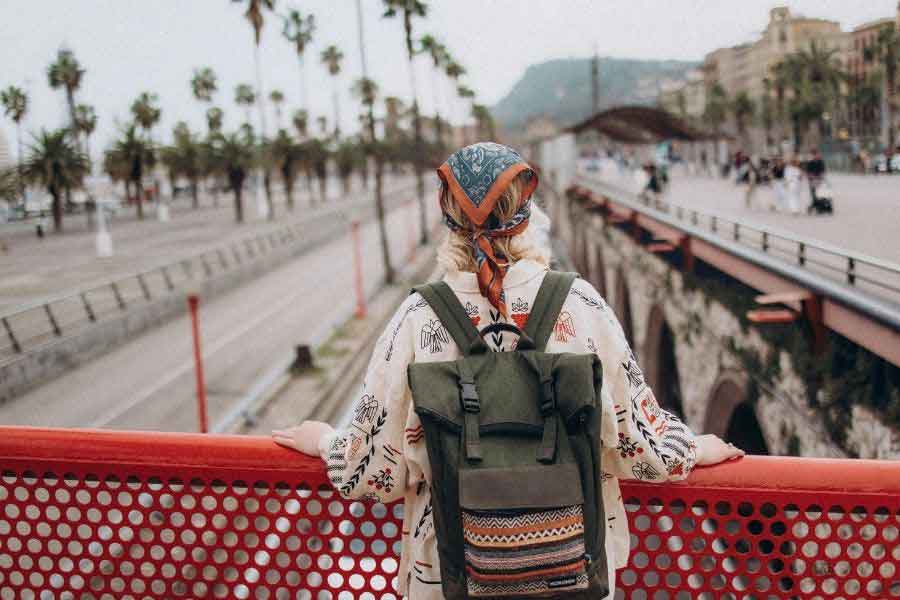
How to Dress in Spain in Winter Without Screaming Tourist
Even in winter, fashion in Spain leans polished. Not flashy, just well put together.
If you want to blend in, the easiest move is to follow the local lead. Nothing dramatic, just clean and intentional.
Smart casual is the norm
Locals dress nicely, even for everyday stuff. You’ll rarely see activewear unless someone is actually exercising. If you want the quickest upgrade, swap leggings and hoodies for dark jeans, a tidy knit, and a coat that fits properly. You don’t need to look fancy. Just don’t look like you’re on the way to a red eye flight.
Churches and cathedrals: modesty matters
If you’re going into religious buildings, cover your shoulders and keep your hat in your bag. It’s not usually enforced, but it is respectful, and it saves you feeling awkward when you realise everyone else got the memo.
Dinner dress code (even in small towns)
If you’re going out for dinner or drinks, most places are pretty relaxed. Just aim for a bit more put together than your daytime sightseeing gear. No one’s going to say anything if you don’t, but I’ve definitely walked into a busy place and felt a bit underdressed, because Spaniards tend to make an effort in the evenings. Clean shoes, a decent coat, and a scarf usually does the job.
Stick to neutrals
Black, navy, camel, and grey work brilliantly for winter travel in Spain. They mix and match easily, make outfit planning simpler, and they work in most settings. If you get bored, add one colourful scarf or a bold accessory. It keeps things practical, without overcomplicating your outfits.
Packing For Spain in Winter: FAQs
How do you dress in Spain and not look like a tourist?
Dress smart casual with simple, neutral basics like dark jeans, ankle boots, and a well-fitted coat. Spain’s style is generally polished but understated, even in winter, so the quickest way to blend in is to skip gym wear and loud logos and go for clean, tidy layers that look intentional.
Are winters cold in Spain?
Yes, winters in Spain can be cold, especially inland and in the north. Madrid and cities like Burgos often have frosty mornings and occasional snow, while the south is usually milder. The catch is that Spain’s weather varies a lot by region, so it’s worth checking the forecast for your specific city rather than packing for “Spain” as one temperature.
What do women wear in Spain in December?
In December, women in Spain tend to wear layered outfits that look put together, like a warm coat, boots, a scarf, and knitwear in darker or neutral colours. Spain winter fashion is practical but still polished, so you can be comfortable without looking like you’ve dressed purely for survival.
What do people wear in Madrid in December?
In Madrid in December, expect proper winter outfits like wool coats, ankle boots, scarves, and gloves. Madrid sits at a higher altitude so it gets colder than many people expect, and locals dress warmly while still keeping things neat and city-smart.
Do Spaniards wear UGGs?
You’ll see UGGs occasionally, but they aren’t especially common in Spain. Most locals tend to go for sleeker ankle boots or leather boots that look a bit more polished and make more sense for walking on city streets.
Planning Your Spain Winter Trip? Here’s What’s Next
Now that you’ve got a handle on what to wear in Spain in winter, the rest of your winter trip to Spain gets a lot easier. Packing is sorted, you know what the weather is likely to do (and what it might do if it’s feeling dramatic), and you’re far less likely to end up buying an emergency scarf on day one.
Whether you’re wandering Madrid in proper cold or catching winter sun in Málaga, dressing well makes the whole trip more comfortable.
If you’re ready to keep planning, here are a few helpful next stops:
- How to Enjoy Madrid in the Winter
- Best Things To Do in Christmas in Seville
- Does it Snow in Spain?
- Warmest Places in Spain in Winter
- Best Places in Europe for Winter Sun
Have a question? then don’t forget to join our free Facebook Group and ask the community.
Want to discover more about Spain? then check out these other great articles to find out more.
General Spain Travel
- Ultimate 10 Days In Spain Itinerary
- 2 Week Spain and Portugal Itinerary
- How Many Days Should I Spend in Spain and Portugal?
- 50+ Best Experiences for Your Spanish Bucket List
- 38 Most Famous Landmarks in Spain
- Can You See Morocco From Spain?
Andalucia and South Spain
- Southern Spain Itinerary: Best 7 Days in Andalucia
- Local’s Guide To Seville in 3 Days
- 35+ Top Things To Do In Seville
- 23 Best Day Trips From Seville, Spain
- How to Do A Seville to Cordoba Day Trip
- Where Is the Nearest Beach to Seville?
- How To Spend One Day in Granada
- Best 2 Days in Granada Itinerary
- The Best Cordoba in One Day Itinerary
- 5 Places for the Best Glamping in Spain’s Southern Coast
Barcelona
- 32 Best Things to Do in Barcelona, Spain
- Barcelona 5 Day Itinerary for First-Time Visitors
- Should You Visit Barcelona or Lisbon?
- Montserrat Day Tour With Tapas and Wine From Barcelona
Madrid And Surrounding Area
- Is Madrid Worth Visiting?
- 28 Best Things to Do in Madrid, Spain
- Best Madrid 2 Day Itinerary By A Local!
- 30 Things to Do In Winter in Madrid
- Madrid vs Lisbon Comparison Guide
- How to Visit Segovia From Madrid in a Day
- A Day Trip to Toledo from Madrid
Basque Country and North Spain
- An Epic 5 Days Road Trip in Aragón Itinerary
- 15 Best Things to Do in Aragon, Spain
- Is Zaragoza Worth Visiting? Everything You Need To Know
- The Best Things to See in Zaragoza, Spain
- Is San Sebastian Worth Visiting? The Pros and Cons
- San Sebastian Food Tour Review With Devour Tours
- Is Bilbao Worth Visiting? 12 Reasons To Visit Bilbao