
Is Spain Worth Visiting? Pros, Cons & Insider Travel Tips
If you’re reading this, then you’re probably wondering is Spain worth visiting; especially if you’re travelling solo, seeking deeper experiences, and hoping to avoid the over-touristed trap that’s plagued the news in recent years.
As someone who’s explored nearly every corner of this sun-drenched country and now calls it home, I’d say yes. But your answer will depend on the kind of traveller you are and what you’re hoping to take away from your trip.
In this guide, you’ll find real, honest reasons to visit Spain, beyond the typical tapas and flamenco clichés. I’ll cover what matters most to solo female travellers: cultural depth, local connection, personal safety, affordability, and how to travel here in a way that feels aligned with your values.
If you’re craving a trip that’s meaningful, not just Instagrammable, here’s what you need to know before you go.

Meet Me In Departures contains affiliate links and is a member of the Amazon Services LLC Associates Program. If you make a purchase using one of these links, we may receive compensation at no extra cost to you. See our Disclosure Policy for more information.
Pros and Cons of Spain
If you’re still on the fence and asking yourself why should I visit Spain, here’s a quick lowdown of what to expect and a few things that might make you think twice.
I’m 100% biased (I live here, after all), but between the Moorish palaces, remote hiking trails, and late-night food crawls, it’s hard to run out of things to see and do in Spain.
That said, it’s not for everyone. So here’s what to weigh up before you book.
| Pros of Visiting Spain | Things to Consider Before You Go |
| Diverse regions and landscapes. Think mountains, beaches, deserts, and forests | Overtourism in hotspots like Barcelona and Palma, especially in summer |
| Rich culture, history, and architecture across all regions | Rising costs in major cities and touristy areas |
| Affordable food, drink, and transport. Great value outside peak season | Late dining hours and siesta closures can surprise first-time visitors |
| Easy and safe for solo and female travellers | Limited English in rural areas. Basic Spanish helps |
| Festivals, traditions, and everyday culture that feel authentic, not staged | Short-term rentals like Airbnb can affect housing and atmosphere |
| Vegetarian options are improving, especially in cities | Rural areas may still be meat-heavy. Veggie travel can take some planning |
The Pros: Why Is Spain Worth Visiting
- Diverse landscapes and regions, from mountains to Mediterranean beaches.
- World-class art, architecture, and historical landmarks.
- Affordable food, drink, and public transport.
- Safe for solo and female travellers.
Spain has a little bit of everything, and does it well. There’s a reason I ended up living here. It has a vibrancy and energy that’s infectious, especially during festivals.
The food scene in Spain, even in the smallest towns, rivals that of bigger culinary nations, and there’s just something deeply laid-back about the Spanish pace of life that’s hard not to love.

Good to Know
Don’t just visit major cities and tourism-saturated places. Some of my favourite experiences have been in lesser-visited spots like the Aragon or Extremadura regions.
The Cons: Things to Be Aware Of
- Crowds and overtourism in hotspots like Barcelona.
- Rising prices in big cities.
- Limited English is spoken in rural areas.
- Siesta time closures can catch visitors off guard.
The biggest downside? Overcrowding in peak places, especially in summer.
I’ve seen streets in Málaga where you can barely move. And while I adore siesta culture, it does require a bit of planning. Don’t expect lunch or shops between 2 and 5 pm in many places, especially small pueblos in the middle of nowhere.


Common Misconceptions About Spain
It’s Not Just Flamenco, Sangria, and Siestas
These stereotypes exist, but they’re mostly Andalusian and don’t reflect the whole country. In the Basque Country, cider and pintxos rule. In Galicia, seafood is the star.
Spain is a collection of regions with different languages, foods, and lifestyles. That’s what makes it exciting. Don’t let clichés guide your itinerary.
It’s Not Always Warm and Sunny
Yes, Spain gets snow. I’ve also spent rainy weeks in the north. Even in the summer!
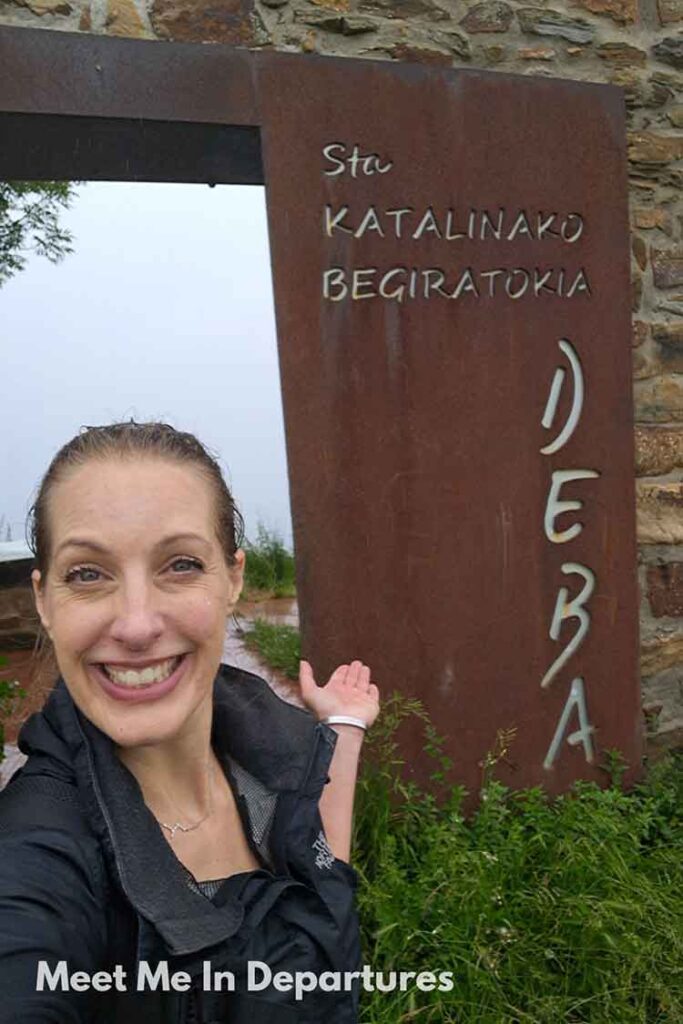
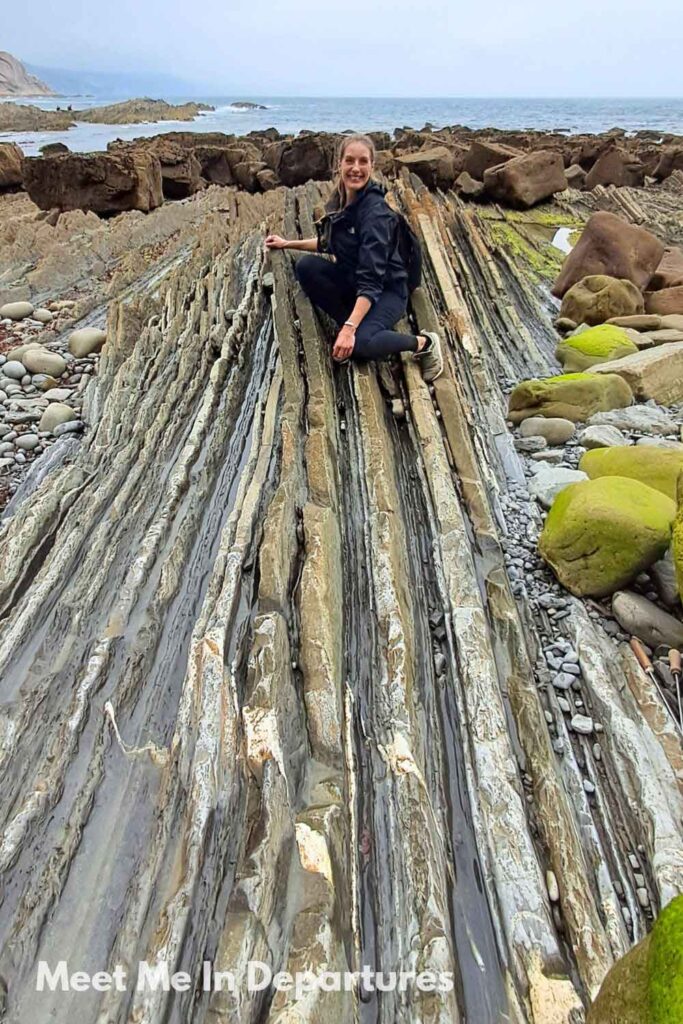
I’d visited San Sebastian during May and June, hoping for some decent weather to go surfing and to do a ton of hiking. Over half the days during my six weeks in the region were rainy despite it being June! Mornings often started out fine, like on my full-day hike along the Flysch Route, but quickly turned into gales and downpours.
If you’re planning on exploring San Sebastián, pack layers, even in summer, especially if you’re heading into the hills.
Good to know
If visiting Spain in winter, Seville and Cadiz (or anywhere along the southern coast) are your best bets for sunshine without crowds.

13 Reasons Why Spain Is Worth Visiting
1. Culture Beyond the Clichés
Spain is so much more than flamenco, bullfighting (which, thankfully, now the majority of Spaniards are against), and late-night fiestas.
One of my most memorable experiences was attending the Feria de Abril in Seville. The Feria is a full week of festivities, where everyone is dressed up in stunning and colourful dresses, and the parties go on until the early hours.
In the Basque Country, I found myself shoulder-to-shoulder with locals in a traditional cider house, filling my glass straight from the barrel and eating pintxos.
These cultural moments aren’t staged; they’re very much woven into daily life, and not put on for tourists.
Skip the postcard version of Spain. Go to a village festival, try a regional dance, or wander into a neighbourhood bar where no one speaks English. That’s where some of the most memorable experiences live.
2. Diverse Cultural Identity
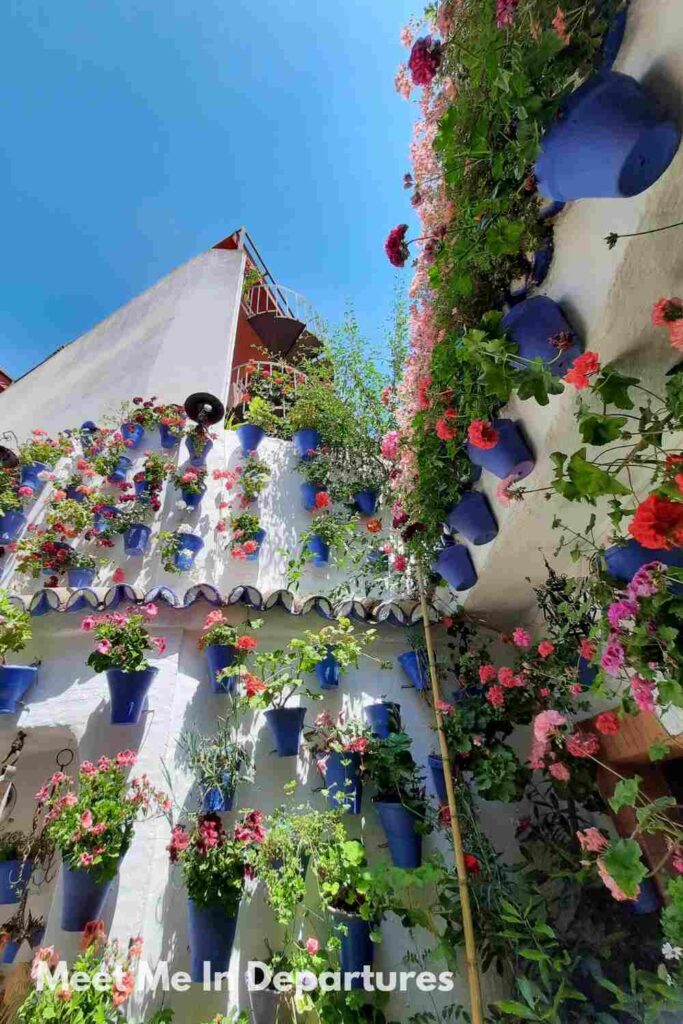
Living in Andalucía, I’m used to Moorish arches, whitewashed villages, and flamenco echoing through narrow streets. But the first time I went to the Basque Country, it felt like another country; think misty green hills, damp air, and Celtic folklore.
Each region brings its own flavour, literally and figuratively.
You’ll hear different languages (Basque, Catalan, Galician), eat completely different dishes, and even notice shifts in lifestyle and architecture. If you spend even a short amount of time travelling around Spain, you’ll discover there are so many facets that the clichés overlook.

3. The Spanish Food Scene
If you’re looking for another valid reason why you should visit Spain, let’s talk about food for a moment.
Spain’s cuisine is regional and incredibly seasonal.
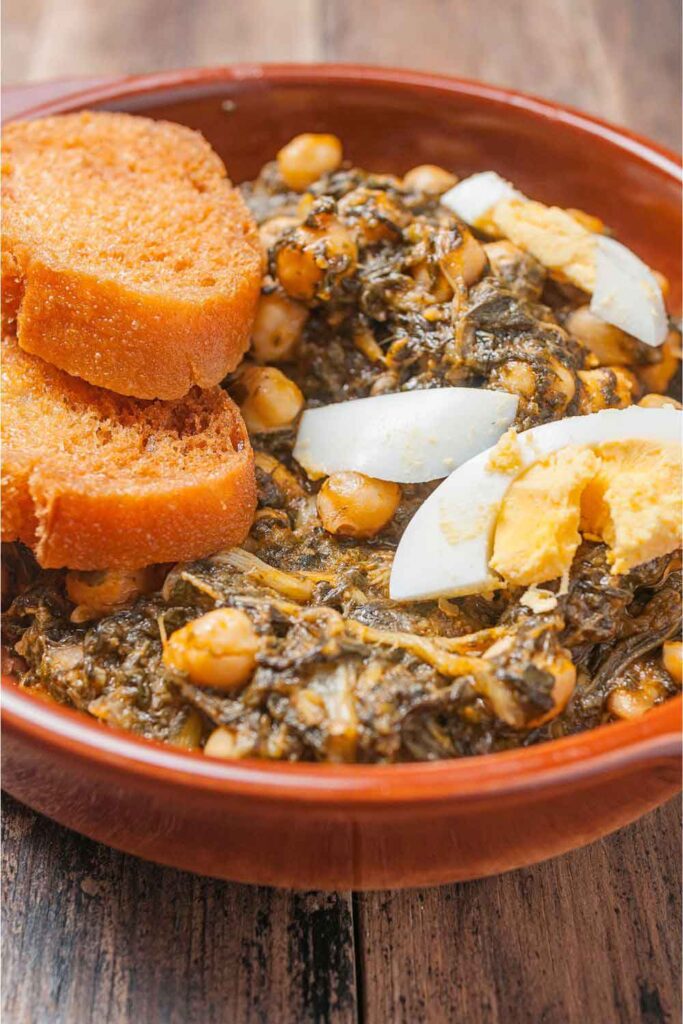
Andalusia brings gazpacho and fried fish, while northern regions boast cider, hearty stews, and grilled peppers. Tapas culture (the name for the small plates served with drinks) isn’t a gimmick. It’s how locals dine and socialise.
Dinner here isn’t just a meal. Compared to most places, it’s a slow and social ritual. I’ve spent entire evenings in the Basque Country hopping from bar to bar, sampling pintxos one by one and losing track of time (and appetite) in the best possible way.
I also love ducking into Barcelona’s Mercado la Boqueria for fresh produce, baked goods, or a cheeky glass of local wine.

Money Saving Tip
Every city, and even lots of towns, have some sort of market hall. Not only are these great places to pick up fresh produce for meals in, but you’ll often find low-key eateries serving up a whole range of tasty and affordable options.
4. Vegetarian Travel in Spain
As someone who’s lived here for several years, I can affirm that vegetarian travel in Spain used to be tough. Ham is a national obsession, especially in the South, but things have changed a lot in recent years.
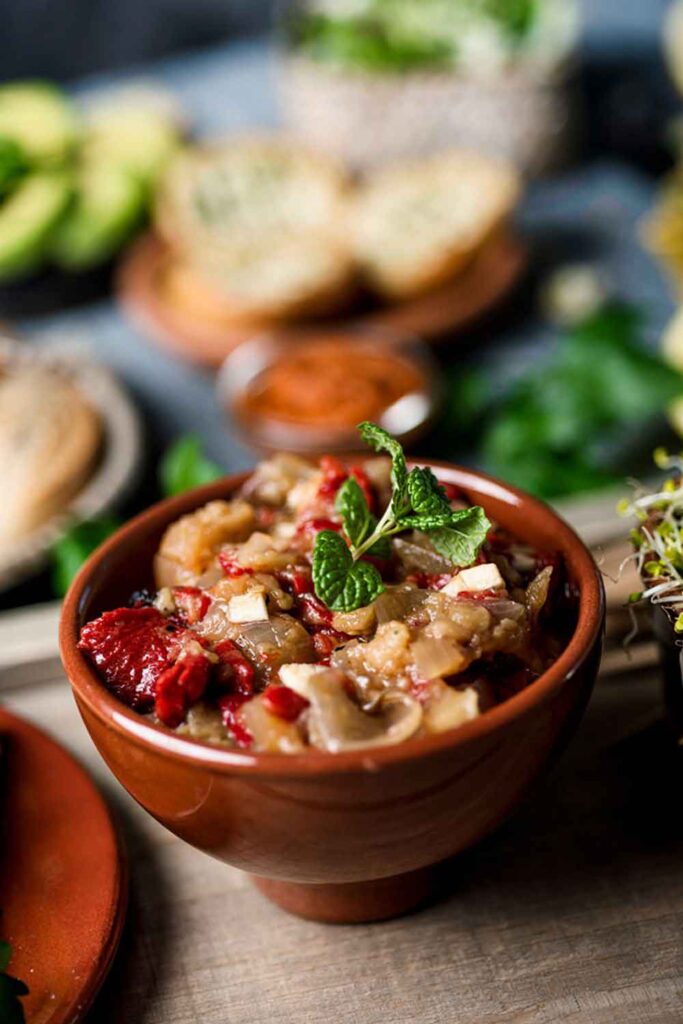
Big cities like Madrid, Barcelona, and Valencia now have fantastic vegetarian and vegan restaurants. Even in traditional tapas bars, you can usually find tortilla, pimientos de padrón, grilled aubergine with honey (just check it’s not sprinkled with jamón), or tomato-rubbed bread.
That said, smaller towns can still be meat-heavy. I usually learn a few key phrases in Spanish, like “sin carne, por favor” (without meat, please). I also advise double-checking that dishes don’t sneak in tuna or chicken stock.
If you’re self-catering, local markets and supermarkets have plenty of fresh, seasonal veg, grains, and cheeses, perfect for DIY meals.

veggie Travel Tip
If you’re visiting towns and villages, away from the tourist areas, it can be challenging to find spots that serve up veggie options. The website HappyCow is your friend. It’s my go-to for finding meat-free places to eat throughout Spain.
5. Festivals Worth Travelling For
If culture, tradition, and everyday life matter in your travels, there are plenty of reasons to travel to Spain.
Spain does festivals with full-throttle passion, and they’re rarely designed for tourists.
From fireworks to fire-jumping, something is happening year-round, and they’re often a brilliant insight into local culture.
Some of the most memorable ones I’ve attended include:
- Las Fallas (Valencia, March): Giant papier-mâché sculptures are set ablaze after days of parades, music, and firecrackers. It’s loud, chaotic, and totally unforgettable.
- Feria de Abril (Seville, April/May): Flamenco, horses, traditional outfits, and casetas (private tents) where families gather to eat, drink, and dance.
- Semana Santa (across Spain, March/April): Dramatic processions with hooded penitents and sorrowful music. Cádiz and Málaga are especially atmospheric.
- La Mercè (Barcelona, September): A firework-filled frenzy. Expect giant parades, human towers, and the wild Correfoc — it’s loud, chaotic, and unforgettable.
Planning Tip
If you’re planning your visit around a festival, book local stays well in advance. Also, double-check the exact dates, as they can shift each year. The best place to check these is with the regional tourism board.
6. Regional Diversity Like Nowhere Else in Europe
Spain feels like several countries rolled into one. Each region has its own food, festivals, language, and sense of identity.
I’ve lived in the south for years, where Moorish influence, olive groves, and flamenco are part of daily life. But when I visited the north, it felt like I’d landed in Ireland
Catalonia speaks Catalan and has its own political movement for independence. The Basque Country has pintxos, a unique language (Euskera), and a deep-rooted industrial past. Even the Canary Islands, technically off the coast of Africa, have a volcanic, tropical vibe that’s completely their own.
Every time you cross a regional border, it can feel like you’re visiting a totally different country. This makes Spain a perfect destination for slow travel, if you’ve got the time.


7. Beaches, Mountains, and Everything Between
Where else can you surf in the morning and ski in the afternoon?
Spain’s landscapes are as diverse as its culture. The Mediterranean coast makes for sun-drenched beaches and warm water.
- Head to the Costa Blanca or Costa Tropical for mellow vibes.
- Prefer cliffs and waves? Northern Spain’s Atlantic coast is packed with dramatic backdrops, hidden coves, and epic swells.
Inland, you’ll find desert landscapes like the Tabernas in Almería (yes, where spaghetti westerns were filmed), while central Spain is all wide plains and windmills.
For mountain lovers, the Pyrenees and Sierra Nevada are perfect for hiking, snow sports, and wildlife.
8. National Parks and Hiking Trails
Spain has over a dozen national parks, and most people only know about one or two.
I’m a huge fan of Ordesa y Monte Perdido in Aragón. Think deep canyons, cascading waterfalls, and barely any crowds.
If you’re after volcanoes and moon-like terrain, Timanfaya National Park in Lanzarote is mind-blowing. For lush forests and wildlife, head to Picos de Europa, where bears and wolves still roam (though you probably won’t see them).
Even on a short trip, there are amazing trails just outside cities. The Caminito del Rey near Málaga or the Sendero de los Cahorros near Granada are both worth a detour.

9. Art, Architecture, and Ancient History
Sure, everyone knows Gaudí and the Alhambra, but Spain’s timeline stretches far beyond the obvious.
In Mérida, I wandered through one of the best-preserved Roman theatres I’ve ever seen. It’s still used for performances today. And in Córdoba, you’ll find a mix of Islamic, Christian, and Jewish influences in the Mezquita.
These landmarks showcase the layers of Spain’s fascinating past. Even small towns have incredible ruins or centuries-old cathedrals that are totally free to explore. If you’re into history, you’ll be spoilt for choice.
10. Must-See Cities
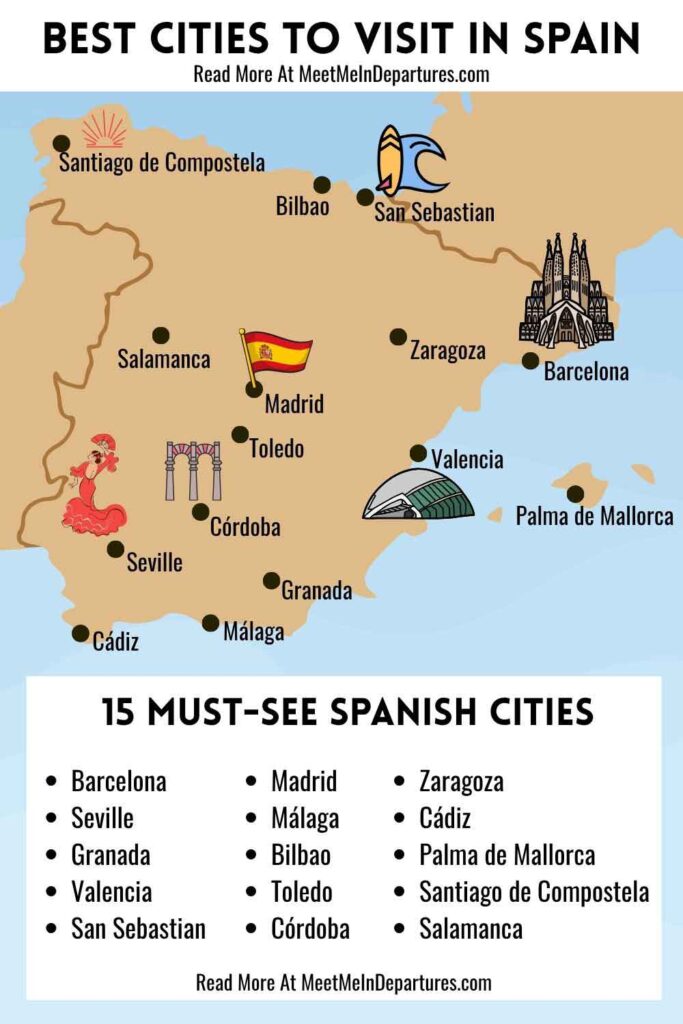
Spain’s cities are wildly diverse, each with its own flavour, pace, and personality.
Whether you’re into history, food, art, beaches, or nightlife, there’s a city that fits.
Here’s a quick low-down to help you find the right ones for your itinerary:
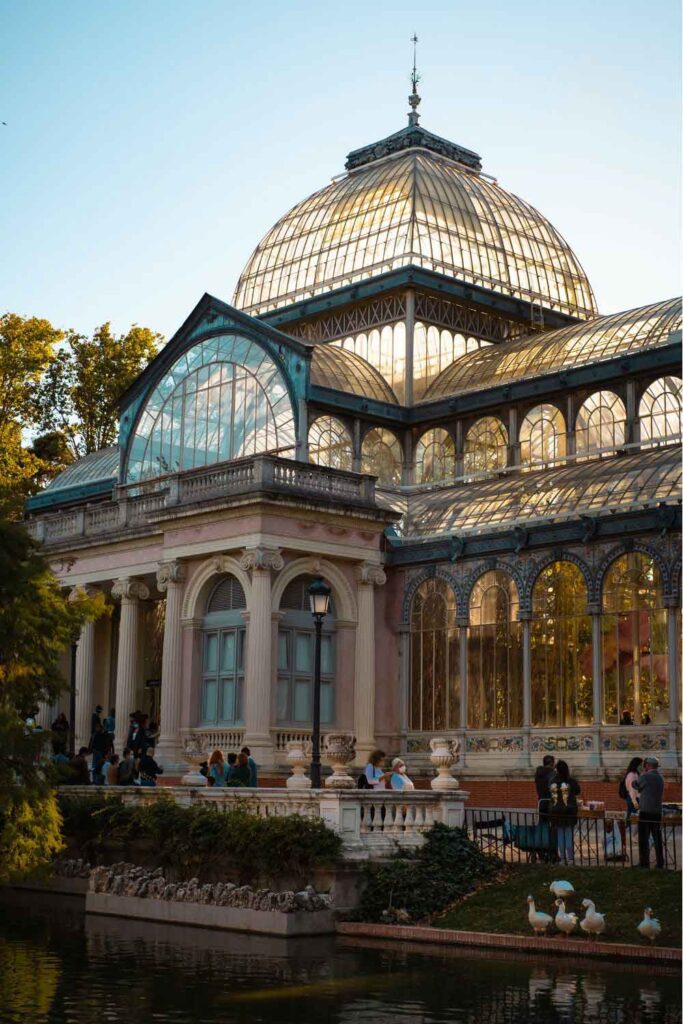
- Madrid: The capital is home to world-class museums (Prado, Reina Sofía), leafy parks like El Retiro, and a buzzing tapas scene.
- Barcelona: Famous for Gaudí’s surreal architecture, the Gothic Quarter, and its beach-meets-city vibe.
- Valencia: A hub for digital nomads with futuristic buildings, traditional paella, and a laid-back coastline.
- Seville: A UNESCO-listed historic centre with the stunning Royal Alcázar, soaring cathedral, and flamenco echoing through the streets.
- Palma (Mallorca): A gorgeous island capital with a towering cathedral, medieval alleyways, and nearby beaches.
- San Sebastián: Foodie heaven! Michelin-star restaurants, pintxos bars, and a picturesque bay.
- Bilbao: Industrial cool with a cultural twist. The Guggenheim put it on the map, but its old town is just as lovely.
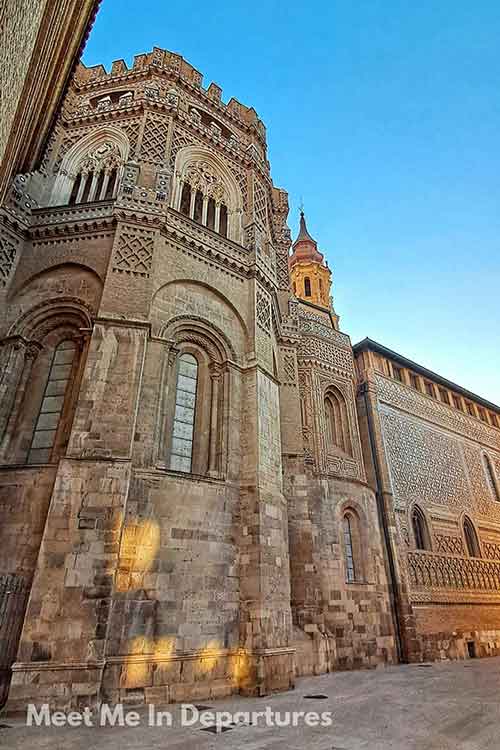
- Zaragoza: Off most tourist radars, but home to Roman ruins, baroque churches, and a buzzing local atmosphere.
- Málaga: More than just a beach hub and a great spot for year-round sun. There are plenty of things to do, including the Alcazaba fortress, Picasso Museum, and hip neighbourhoods like Soho.
Mix and match these cities, depending on your travel style, or use them as launchpads for exploring the nearby countryside, coastlines, or hidden towns.
11. Off-the-Beaten-Path Places
Some of the best travel memories I’ve made in Spain have been in towns most people skip.
- Albarracín (Aragón): A fairy-tale town of pink-hued houses, perched in the hills with stunning views and a medieval wall to climb.
- Ronda (Andalusia): Famous for its deep gorge and dramatic bridge, but also packed with charming squares and Moorish gardens.
- Cuenca (Castilla-La Mancha): Home to gravity-defying hanging houses and one of the most underrated cathedrals I’ve visited.
- León (Castilla y León): Tapas come free with your drinks, and the Gothic cathedral rivals any in Europe.
- Cáceres (Extremadura): A walled city that feels frozen in time, Game of Thrones fans might recognise it.
- Cadaqués (Catalonia): A whitewashed coastal village that inspired Salvador Dalí, perfect for a quiet seaside break.
Getting Around
A lot of smaller towns don’t have major train stations or regular services. Rideshare apps like BlaBlaCar or regional buses are your best bet.
12. World-Class Food Scene for All Budgets
Spain is a dream for foodies, and you don’t have to spend a fortune.
I’m a vegetarian, and I even eat incredibly well here.
In Catalonia, I found veggie-forward tasting menus in tucked-away bistros. In the Basque Country, there are pintxos bars with creative veggie options, and in Andalucía, I live off gazpacho, salmorejo, and grilled vegetables drizzled in olive oil. Beyond tapas, the markets are goldmines. I love browsing the fresh produce stalls at places like Mercado de Feria in Seville.
You can eat like a king queen for less than €10 a meal.
13. Nature & Adventure Are Easy to Access
Spain’s wild spaces are everywhere, and they’re usually just a short bus or train ride from the nearest city. Whether you’re chasing adrenaline or prefer peaceful hikes, Spain makes it surprisingly easy to escape into nature.
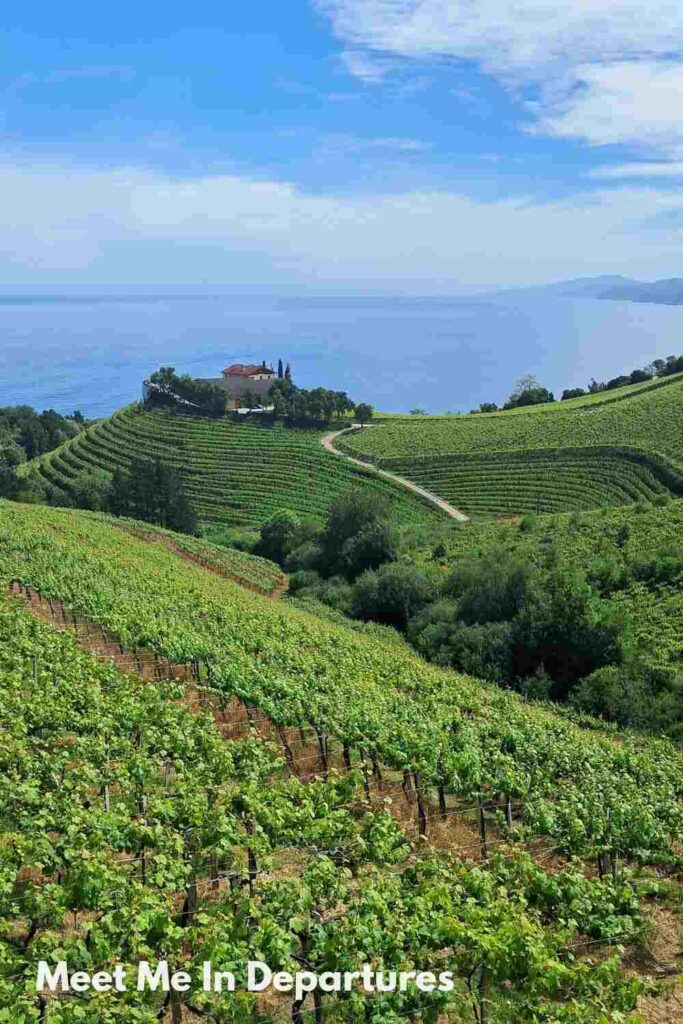
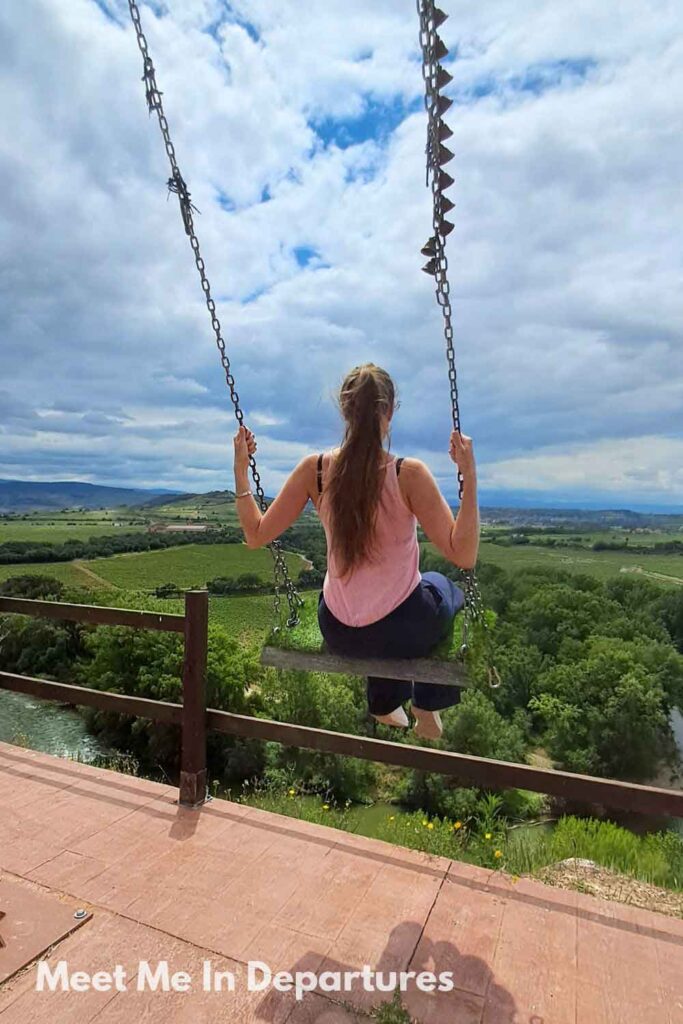
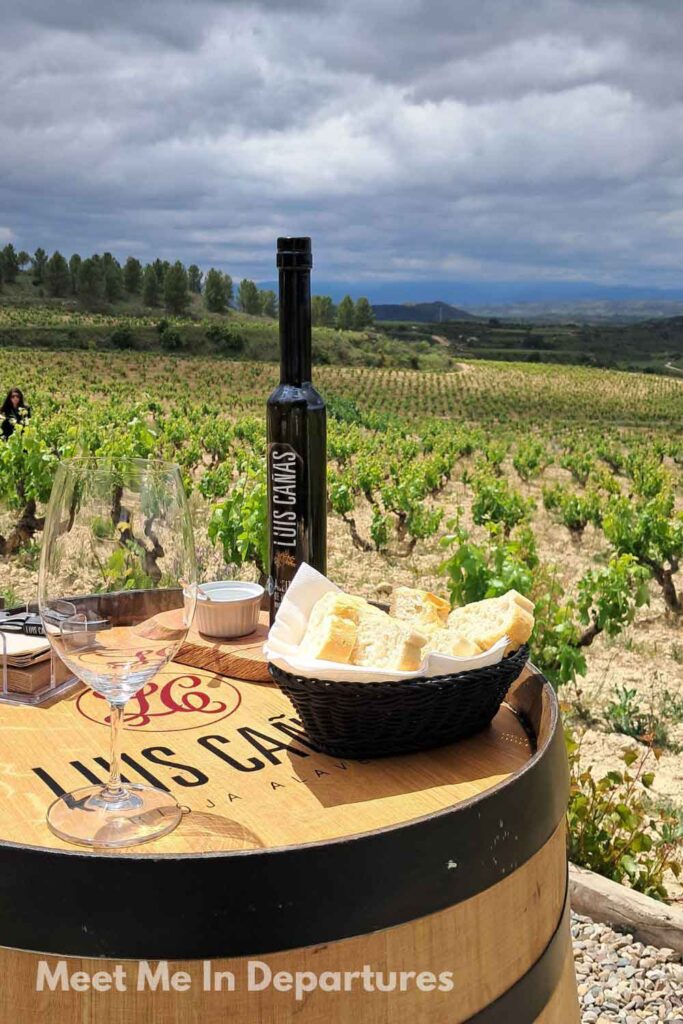
I’ve road-tripped through La Rioja’s rolling vineyards and hiked coastal trails with Atlantic views.
One of my all-time highlights was the Flysch Route, where ancient rock formations spill dramatically into the sea. It’s one of the most surreal landscapes I’ve ever walked through. Think layered cliffs, sea spray, and barely another soul in sight.
I’ve even tried my hand at surfing along the northern coast near San Sebastián.
4 Potential Downsides to Visiting Spain
1. Overtourism in Major Cities
Barcelona in peak summer can feel like walking through a theme park. You’ll find a mix of selfie sticks, long queues, and frustrated locals trying to get to work. I’ve seen plenty of placards taped to apartment balconies reading “Tourists go home”, especially in the Gothic Quarter.
If flexibility is on your side, I wouldn’t come to Spain during these months.
In Palma de Mallorca, locals have staged sit-ins against cruise ships, and in Málaga, entire neighbourhoods feel hollowed out, pretty on the surface, but stripped of locals.
Tourism is welcome; it makes up a huge chunk of the economy, but the balance is off in some areas.
If you visit these cities, here’s how you can help keep things sustainable;
- Visit during the off-peak season
- Avoid accommodation that has been converted from residential use
- Spend your money in locally-owned businesses.
2. Rising Costs and Airbnb Controversy
One of the biggest shifts I’ve noticed in Spain is how much harder it’s becoming for locals to find housing in central areas. Cities like Barcelona and Seville have seen rental prices skyrocket. This has a lot to do with the explosion of short-term rentals like Airbnb.
It’s a touchy topic here. Some local councils have banned new tourist licences altogether.
Personally, I avoid Airbnb.
Instead, I prefer to book small guesthouses or family-run pensiones. They’re not just more ethical, they’re usually friendlier and better value (and you don’t get stung with an eye-watering cleaning bill at the end)


3. Petty Theft and Tourist Scams
Violent crime rates are low. Spain’s a great option for solo travel.
However, like any major city, petty theft is a real issue, especially in touristy areas of Barcelona and Madrid. The metro and busy plazas are hotspots for pickpocketing, and scammers often work in pairs.
My safety tips? When you’re packing for Spain, remember to include a secure day bag or a crossbody bag you can zip and wear in front of you.
Also, don’t leave phones on café tables. And if someone tries to distract you with a “petition”, fake flower, or weird performance, move on quickly.
Although I can pay via my phone, I often turn this feature off if I’m headed to an area where there’s a higher risk of pickpocketing. Instead, I’ll only ever carry one bank card with minimal cash on the account, just in case.
4. Cultural Faux Pas and Regional Tensions
Spain isn’t a one-size-fits-all culture, and you’ll notice that fast.
In Catalonia, many people identify as Catalan first, Spanish second, or not at all.
Language matters: try using “Bon dia” instead of “Buenos días” in Barcelona and watch the response. Similarly, in the Basque Country, cultural pride runs deep.
Dining times also trip people up.
Lunch at 3 pm isn’t lazy, it’s normal.
And tipping? It’s appreciated but not expected. If anything, round up the bill, or leave a euro or two. When in doubt, observe what locals do and follow their lead. That small bit of awareness goes a long way.
Money Saving Tip
If I’m travelling in Southern Spain, I skip the tourist-crazy-priced restaurant lunches and go for menú del día midweek. It’s cheaper, faster, and feels more local.
Best Time to Visit Spain
Spain’s climate varies greatly by region. The south and Mediterranean coast are sunny most of the year, while the north sees more rain. Spring (April to June) and autumn (September to October) are ideal thanks to mild weather, fewer crowds, and better prices.
Winter is great for budget travellers and cultural city breaks, think Madrid, Seville, or Valencia.
Summer is vibrant but hot and crowded. Head to the northern coast or inland mountain towns to beat the heat.
| Month | Weather | Crowds | Events/ Festivals | Travel Tips |
| April | Mild & Sunny | Mid (not Seville) | Feria de Abril, Semana Santa | Ideal for cultural travellers |
| August | Hot & Crowded | High | La Tomatina | Avoid big cities and head north |
| October | Warm days and cool nights | Mid | Wine harvest in La Rioja | Great shoulder season |
Summer: Sunshine and Swarms
Spain in July and August is hot, and I mean really hot. In Seville, I’ve seen thermometers hit 45°C. Coastal areas like Costa del Sol and Costa Brava get mobbed, especially by domestic holidaymakers. You’ll need to book months in advance and still deal with queues and crowds.
That said, summer has its perks.
The energy is high, there are night markets and open-air concerts, and the vibe is lively.
If you can’t avoid summer, opt for the north. Some great options are Asturias, Cantabria, or the Basque coast, where temperatures are cooler, and the crowds are thinner.
Shoulder Seasons: The Sweet Spot
Spring and autumn are my go-to times for travel in Spain. April to June brings wildflowers, festivals, and pleasant temperatures. In September and October, the summer crowds have gone, but the sea is still warm enough for swimming.
You’ll also get better deals on transport and accommodation, and you can actually enjoy popular sights without elbowing your way through.
Winter Travel in Spain
Winter is underrated. While parts of northern Europe are grey and miserable, I’ve enjoyed sunny 18°C days in Seville in January.
Other cities, like Málaga, Cádiz, and Valencia, are also perfect for grabbing a sunny winter break in Europe and are great options if you’re looking for somewhere festive, atmospheric, and refreshingly crowd-free.
If you’re after snow, head to the Pyrenees or Sierra Nevada. The ski resorts are decent (though not Alpine-level), and lift passes are surprisingly affordable. Just remember to pack lots of layers as the temperature drop between day and night can be drastic, even in the south.
Spain for Solo & Female Travellers
Spain is one of the easiest and safest countries to explore solo. Cities are well-connected, public transport is excellent, and hostels and guesthouses make meeting people simple.
For female travellers, Spain is very safe. I’ve wandered about major cities like Madrid and Barcelona late at night without issue.
Street harassment is rare, and locals are friendly. Still, trust your instincts and stay alert, especially in nightlife areas. I often ask guesthouse owners for advice on where to go (or avoid) at night. They always know.
Why Spain Is Ideal for Solo Travel
Spain was one of the first countries I travelled solo in. The train system is easy, bus routes reach even remote towns, and people are usually happy to help if you ask (especially if you try a bit of Spanish).
I’ve never felt out of place eating alone or wandering museums solo.
Cities like Valencia and Zaragoza are perfect for first-time solo travellers with their manageable size, walkable centres, and friendly locals.
You’ll find community if you want it, but also space if you just want to do your own thing.
Meeting People
A great way to meet people in the evenings is by joining an intercambio, which pretty much translates to “exchange”.
These meetups attract a wide range of people, some are residents, others are just passing through as students, digital nomads, or on short work contracts.
The idea is to practise Spanish in a relaxed setting, and there’s no judgement, even if all you can manage is a “¡Hola, qué tal?!”
Female Travel in Spain
As a woman travelling in Spain (and now living here), I’ve always felt safe.
I’ve walked home from concerts at 1 am and felt more relaxed than in many other European countries (including my home city in the UK!).
Machismo does still exist in pockets, but street harassment isn’t the norm. The most you’ll probably encounter is a lingering look, and called “guapa”.
Overall, people are extremely warm and welcoming, especially in the South of Spain.
Meeting People and Staying Safe
Meeting people in Spain is easier than you might think.
Locals are generally open and sociable, especially if you show a bit of effort with the language.
I often join free walking tours or food experiences when I’m travelling solo. They’re informal, and you’re guaranteed to meet like-minded people without it feeling awkward.
Apps like Meetup are also great for finding events or language exchanges (Intercambios). In bigger cities, I’ve even found guided hikes or beach clean-ups through local Facebook groups.
When it comes to safety, use common sense: keep valuables close, trust your instincts, and ask your accommodation for tips on where to go (or avoid) after dark.
Cost of Visiting Spain
Spain is relatively affordable by Western European standards. A basic budget can get you by on €50 to €70 per day, including accommodation, food, and attractions.
Menú del día lunches (2–3 course meals with drink) cost around €10 to €15. Museum entries are often free on certain days. Public transport is efficient and cheap.
To save money, travel during the shoulder season and book ahead.
For accommodation, I prefer to use locally run guesthouses, which are more personal and cost-effective than large hotels or Airbnbs.
Money Saving Tip
Always check for “free museum” days in major cities. Many national museums have one afternoon or evening a week which is free of charge.
The best place to find this info is either on the official tourist information site for the city or directly on the museum’s website.
Accommodation Costs
Spain’s got something for every budget. I’ve stayed in €15 dorm beds in hostels and charming B&Bs for under €50 a night. My favourite stays tend to be small family-run guesthouses or pensiones, especially ones that are located in historic buildings.
If you’re open to it, homestays or rural farmhouses (called casas rurales) are brilliant for connecting with locals and getting insider tips you won’t find in any guidebook. They’re also great value, especially outside peak season.
Just avoid last-minute bookings during festivals. Even budget spots get expensive if you don’t plan ahead.
Eating and Drinking on a Budget
Eating well in Spain doesn’t mean splashing out. The menú del día is my go-to. You’ll get a starter, main, drink, and sometimes dessert or coffee for under €15. It’s especially good value in non-touristy areas or if you’re travelling midweek.
Tapas are another brilliant way to stretch your budget. In places like Granada, they’re often free with your drink. I also love grabbing picnic supplies from local food markets, things like fresh bread, local cheese, seasonal fruit, and heading to a nearby park or beach.
And if you want to splurge? Go for lunch instead of dinner. Many fine dining restaurants have affordable tasting menus at lunchtime.

Getting Around: Cheap and Easy
Spain’s transport system is one of the easiest I’ve used. The high-speed AVE trains make cross-country travel quicker than taking a flight when you add in waiting time at the airport.
For slower (and cheaper) journeys, regional trains and buses are perfect.
When I’m travelling on a tighter budget, I use BlaBlaCar. This carpooling app is safe, social, and surprisingly cheap. It’s a great way to practise your Spanish, too.
For short inner-city trips, I sometimes rent an electric bike or scooter, especially in cities like Valencia or Seville, with good bike lanes.
Travel Planning Tip
Book bus and train tickets well in advance to get the best deals.
Also, different regions in Spain often have different operators, so for convenience, I prefer to use the Omio App so I can search for all flights, buses and trains at the same time. Plus, with the Omio App, you’ll get your ticket sent straight to your phone.
How to Visit Spain Ethically
The Real Impact of Overtourism
Spain’s tourism boom has brought wealth and problems.
Cities like Barcelona, Málaga, and Palma de Mallorca are grappling with strained infrastructure, increased pollution, and housing shortages.
Local protests, particularly against platforms like Airbnb, have become frequent. As a resident, I’ve seen how tourist-driven gentrification displaces locals from central areas.
Some municipalities have introduced tourism taxes and stricter regulations to control numbers. Being aware of these issues doesn’t mean skipping Spain, though; it just means travelling more responsibly.
Ethical Travel Tip
Avoid booking accommodation in highly saturated tourist areas or using accommodation that has been converted from a once residential home.
For better prices, search for the outer neighbourhoods or smaller towns outside of major cities where tourism isn’t so oversaturated.
Consider visiting lesser-known regions like Extremadura or Aragón. They are visually stunning, less crowded, and can offer a more authentic slice of Spanish culture, without the tourist crush.
How to Travel Responsibly
Travelling ethically in Spain means making choices that benefit communities.
- Stay in small, family-run hotels
- Eat in local restaurants and cafes
- Shop at Spanish-owned shops, markets or artisan shops
- Avoid cruise ship port cities at peak hours
I always ask hotel owners or café staff for their personal recommendations. This is a great way to discover some amazing local finds, whether it’s a tucked-away hiking trail or a no-menu tapas bar.
Ethical Eating & Shopping
Eating responsibly means more than avoiding McDonald’s (not that there’s anything exciting there for veggies anyway!)
Spain has a wealth of slow-food restaurants, cooperatives, and eco-markets. As someone who follows a plant-based diet, I love shopping in weekly markets where produce is local and seasonal.
Many cities also have social enterprises. Look out for cafés and shops that train and employ vulnerable people.
There are loads of great souvenirs made locally in Spain, such as ceramics from Andalusia or espadrilles from the north. Always ask where something is made. If the vendor can’t tell you, or they have dozens of the same item, it’s probably mass-produced.
Ethical Travel Tip
Bring a reusable shopping bag and water bottle.
Spanish cities, and even small villages, have fountains with cool and fresh drinkable water, so there’s no need to continuously buy bottled drinking water.
Avoiding Overcrowding and Protests
Spain’s most popular cities can feel completely different depending on when you go.
I’d avoid visiting Barcelona during the peak of summer or Seville during Semana Santa when the crowds are intense.
In the past few years, locals have been increasingly more vocal about overtourism. Barcelona has had several marches through the city centre, blocked roads, and signs plastered across balconies telling visitors to go elsewhere.
If you’re flexible, check local protest calendars (search for “manifestación Barcelona” or “protestas en Sevilla”) before planning your trip. I also recommend following city-specific Instagram accounts or local English-language news sites, which are great for up-to-date info.
Spain Travel FAQs
Is Spain Safe for Solo Female Travellers?
Yes, Spain is safe for solo female travellers. Most cities are walkable and welcoming. Pickpocketing can happen in busy areas, so take basic precautions. Many women travel alone comfortably here, especially in cities like Seville, Granada, and Valencia.
What Are the Best Cities in Spain to Visit?
Top cities include Madrid for museums, Barcelona for architecture, Seville for history and flamenco, Valencia for beaches and paella, and San Sebastián for food. Each offers something unique, making Spain perfect for culturally curious travellers.
How Much Does a Week in Spain Cost?
Expect to spend €600–€1,200 per person for one week, depending on your style. Budget travellers can get by on €70–€90/day. Cities like Barcelona and Madrid are pricier, while smaller towns and off-season trips offer better value.
How Long Do I Need in Spain?
A week is great for one or two cities. For a deeper experience, aim for 10–14 days to explore Spain’s varied regions, from beaches to mountains, small towns to big cities. Spain rewards slower travel.
Should I Visit Spain or Portugal?
Spain is larger and more diverse, ideal for cultural depth and varied landscapes. Portugal is smaller, often cheaper, and easier for shorter trips. Both are great. So, choose based on time, interests, and pace of travel. If you have time, you can easily do a trip that covers Spain and Portugal.
Ready to Plan your Trip to Spain?
By now, you’ve probably figured is spain a good place to visit. There’s a reason why it’s one of the world’s top travel destinations.
Spain is perfect for independent, culturally curious travellers, whether you’re looking for ancient cities, hidden villages, mountain hikes or beachside tapas. But the real magic happens when you slow down and go beyond the obvious.
Not sure where to begin?
Start with my guide to the best Spanish cities to visit to find your perfect base, or discover some of the top things to see and do in Spain for inspiration beyond the big-ticket sights.
Want more?
Head to the Spain Travel Hub for smart itineraries, destination guides, and practical planning advice.
Have a question? then don’t forget to join our free Facebook Group and ask the community.
Want to discover more about Spain? then check out these other great articles to find out more.
General Spain Travel
- Ultimate 10 Days In Spain Itinerary
- 2 Week Spain and Portugal Itinerary
- How Many Days Should I Spend in Spain and Portugal?
- 50+ Best Experiences for Your Spanish Bucket List
- 38 Most Famous Landmarks in Spain
- Can You See Morocco From Spain?
Andalucia and South Spain
- Southern Spain Itinerary: Best 7 Days in Andalucia
- Local’s Guide To Seville in 3 Days
- 35+ Top Things To Do In Seville
- 23 Best Day Trips From Seville, Spain
- How to Do A Seville to Cordoba Day Trip
- Where Is the Nearest Beach to Seville?
- How To Spend One Day in Granada
- Best 2 Days in Granada Itinerary
- The Best Cordoba in One Day Itinerary
- 5 Places for the Best Glamping in Spain’s Southern Coast
Barcelona
- 32 Best Things to Do in Barcelona, Spain
- Barcelona 5 Day Itinerary for First-Time Visitors
- Should You Visit Barcelona or Lisbon?
- Montserrat Day Tour With Tapas and Wine From Barcelona
Madrid And Surrounding Area
- Is Madrid Worth Visiting?
- 28 Best Things to Do in Madrid, Spain
- Best Madrid 2 Day Itinerary By A Local!
- 30 Things to Do In Winter in Madrid
- Madrid vs Lisbon Comparison Guide
- How to Visit Segovia From Madrid in a Day
- A Day Trip to Toledo from Madrid
Basque Country and North Spain
- An Epic 5 Days Road Trip in Aragón Itinerary
- 15 Best Things to Do in Aragon, Spain
- Is Zaragoza Worth Visiting? Everything You Need To Know
- The Best Things to See in Zaragoza, Spain
- Is San Sebastian Worth Visiting? The Pros and Cons
- San Sebastian Food Tour Review With Devour Tours
- Is Bilbao Worth Visiting? 12 Reasons To Visit Bilbao